

Why Am I Gaining Weight on Ozempic?
Understanding Ozempic and Its Effects on WeightOzempic is a medication primarily prescribed to manage type 2 diabetes. It contains semaglutide, a glucagon-like peptide-1 [...]
Read More
Medically reviewed by Alan Lucks | MD, Alan Lucks MDPC Private Practice - New York on January 19th, 2026.
Ozempic is designed to help with blood sugar control and weight loss, but some users experience weight gain.
Weight gain on Ozempic can result from several factors, including dosage changes, lifestyle habits, and underlying health issues.
Understanding how Ozempic works and what influences weight changes is key to managing your health effectively.
Consulting with healthcare professionals via telehealth services like doctronic.tech can help personalize your treatment plan.
Maintaining a balanced diet, regular physical activity, and monitoring medication effects are essential steps while using Ozempic.
Ozempic is a medication primarily prescribed to manage type 2 diabetes. It contains semaglutide, a glucagon-like peptide-1 (GLP-1) receptor agonist that helps regulate blood sugar levels. One of Ozempic's well-known benefits is its ability to aid weight loss by reducing appetite and slowing gastric emptying. Despite these effects, some people notice weight gain during treatment. This can be confusing and concerning, especially when weight loss was an expected outcome.
It is important to recognize that individual responses to medications like Ozempic vary. Factors such as metabolism, diet, physical activity, and other health conditions can influence how your body reacts. Weight gain while on Ozempic is not common, but it can happen for several reasons that deserve attention.
Ozempic mimics a hormone in your body that signals fullness and helps control blood sugar. By activating GLP-1 receptors, it encourages insulin release after meals and reduces glucagon secretion, which lowers blood sugar. This hormone also slows digestion, making you feel full longer, which typically supports weight loss.
Because it affects appetite and digestion, many users experience decreased hunger and eat less. Yet, if other factors counteract these effects, weight gain may occur. For instance, some individuals may inadvertently increase their caloric intake by choosing higher-calorie foods or snacks when they do eat, believing that their appetite is under control. Lifestyle factors such as decreased physical activity due to fatigue or other health issues can also contribute to weight gain, even when on a medication designed to promote weight loss.
It’s crucial to consider the psychological aspects of weight management. Some individuals may experience emotional eating or stress-related eating, which can lead to weight gain regardless of appetite suppression. Understanding these dynamics can be essential for those using Ozempic, as it highlights the importance of a holistic approach to weight management that includes not just medication, but also nutrition education, physical activity, and mental health support.
Adjusting your Ozempic dosage or missing doses can affect how well the medication controls appetite and blood sugar. If the dose is too low or inconsistent, you might not experience the appetite suppression that helps with weight loss. Sometimes, weight gain happens if the medication’s effects fluctuate due to irregular use. The timing of your doses can also play a significant role. For instance, taking Ozempic at different times of the day can lead to variations in how your body responds to the medication, potentially impacting your hunger levels and glucose control. Consistency is key; adhering to a regular schedule can help maintain stable blood sugar levels and optimize the medication's effectiveness.
Even with Ozempic, what you eat and how active you are play a huge role in your weight. Some people might feel less hungry and eat less at first, but over time, they may return to old eating habits or consume more calorie-dense foods, which can lead to weight gain. This phenomenon can be particularly challenging, as the initial success may lead to a false sense of security regarding dietary choices. It’s crucial to remain mindful of portion sizes and the nutritional quality of foods consumed. Emotional eating can also resurface, where individuals might turn to food for comfort during stressful times, further complicating weight management.
Physical activity is another key factor. If exercise is minimal or decreases, the calorie balance can shift toward weight gain despite medication. Incorporating regular physical activity not only helps in burning calories but also improves metabolic health and enhances mood, making it easier to stick to healthier eating patterns. Finding enjoyable forms of exercise, such as dancing, walking, or joining a fitness class, can significantly help maintain a healthy weight while on Ozempic.
Conditions such as hypothyroidism, hormonal imbalances, or fluid retention can cause weight gain independent of Ozempic use. Sometimes, these health issues become more noticeable during treatment, or they might interfere with the medication’s effectiveness. For instance, if thyroid hormone levels are not adequately managed, it can lead to fatigue and weight gain, counteracting the benefits of Ozempic. Regular check-ups and blood tests can help in identifying any underlying conditions that may need to be addressed alongside weight management efforts.
Other medications you take alongside Ozempic might influence your weight. Some drugs cause increased appetite, fluid retention, or metabolic changes that promote weight gain. It’s important to review all medications with your healthcare provider. Certain antidepressants, antipsychotics, and corticosteroids are known to affect weight, and understanding these interactions can help in making informed decisions about your treatment plan. Discussing potential alternatives or adjustments with your healthcare team can lead to a more tailored approach that supports both your mental and physical health while on Ozempic.
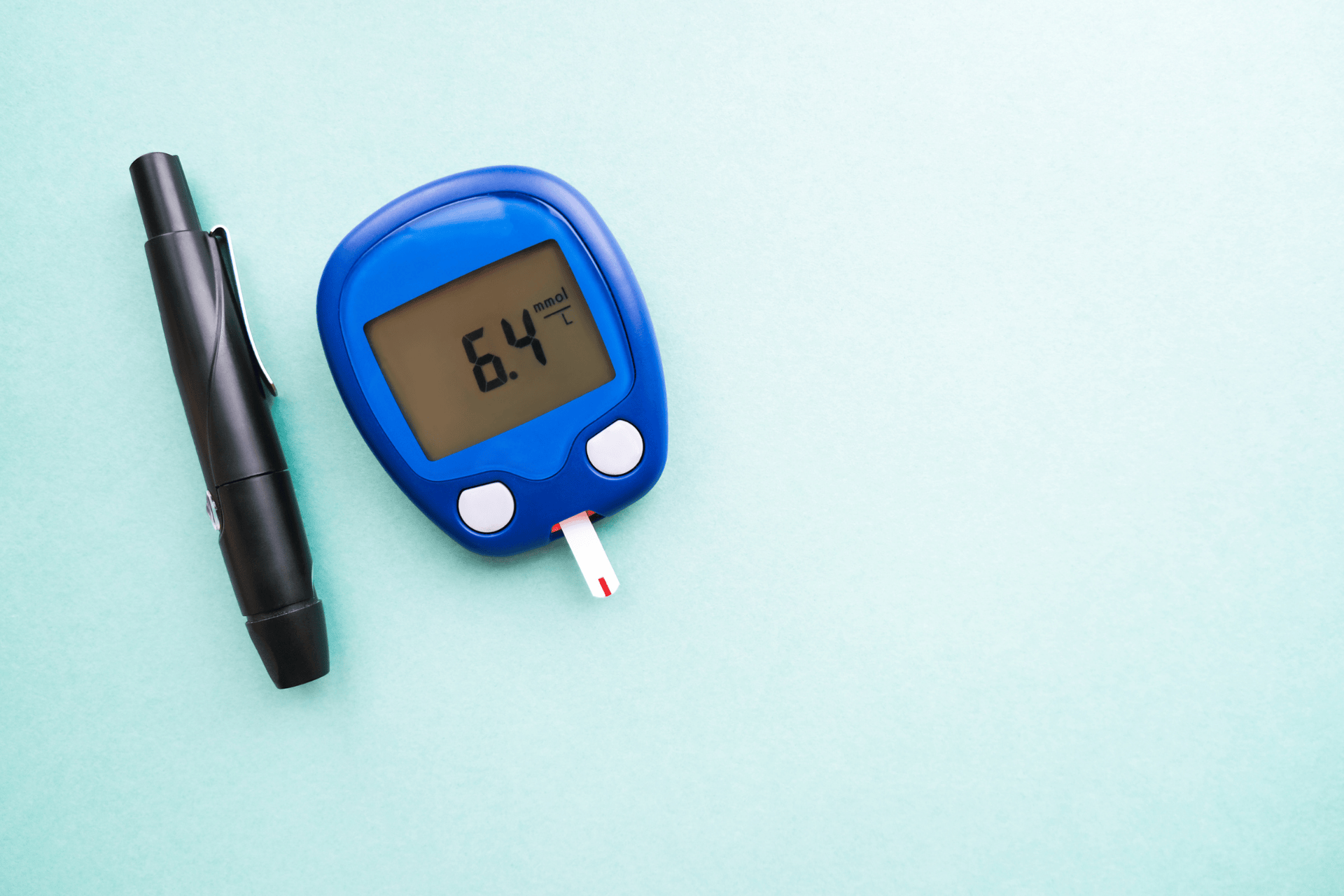 How to Manage Weight While Using Ozempic
Focus on balanced meals rich in whole foods, vegetables, lean proteins, and healthy fats. Avoid high-calorie processed foods, as they can counteract Ozempic's appetite-control effects. Keeping a food diary or using a nutrition app can help track what you eat and identify patterns leading to weight gain.
Regular physical activity supports weight management and improves blood sugar control. Aim for at least 150 minutes of moderate exercise per week, such as walking, cycling, or swimming. Even short daily walks can make a difference.
If you notice unexpected weight gain, it’s crucial to discuss this with a healthcare professional. They can evaluate your medication regimen, check for underlying conditions, and adjust your treatment if needed. Telehealth platforms like doctronic.tech offer convenient access to doctors who understand the latest in modern medicine and can provide personalized advice quickly.
Stress, anxiety, and emotional eating can affect weight. Addressing mental health through counseling, mindfulness, or stress reduction techniques can support your overall health and weight goals.
Weight gain on Ozempic should not be ignored, especially if it is rapid or accompanied by other symptoms such as swelling, fatigue, or changes in blood sugar control. These signs might indicate a need for medical evaluation.
Sudden or severe weight gain over a short period
Swelling in the legs, ankles, or abdomen
Difficulty breathing or chest pain
Unexplained fatigue or weakness
Significant changes in blood sugar levels
If you experience any of these symptoms, contact your healthcare provider promptly. Using telehealth services such as doctronic.tech can help you get timely medical advice without leaving home.
While Ozempic is generally associated with weight loss, some individuals may experience weight gain due to factors like changes in dosage, diet, or other health conditions.
Weight changes typically begin within a few weeks of starting Ozempic, but full effects may take several months, depending on individual response and adherence to lifestyle changes.
Do not stop Ozempic without consulting your healthcare provider. Weight gain could be due to multiple factors, and your doctor can help determine the best course of action.
Yes, telehealth services like doctronic.tech offer convenient access to medical professionals who can review your symptoms and guide your treatment.
Eating a balanced diet, staying physically active, managing stress, and monitoring your weight regularly can help maintain healthy results while using Ozempic.
Gaining weight on Ozempic can happen due to dosage issues, lifestyle habits, underlying conditions, or medication interactions. Monitoring diet, staying active, and addressing other health factors are essential. If weight gain persists, consulting a clinician via doctronic.tech can help tailor your treatment and get your results back on track.
Understanding Ozempic and Its Effects on WeightOzempic is a medication primarily prescribed to manage type 2 diabetes. It contains semaglutide, a glucagon-like peptide-1 [...]
Read More