

What to Eat on Semaglutide: A Complete Diet Guide
How Semaglutide Influences Your Eating HabitsSemaglutide is a medication increasingly prescribed for weight management and type 2 diabetes. It works by mimicking a hormone [...]
Read More
Medically reviewed by Alan Lucks | MD, Alan Lucks MDPC Private Practice - New York on January 19th, 2026.
Understand how semaglutide affects appetite and digestion
Learn which foods support weight loss and blood sugar control
Discover meal planning tips to ease side effects like nausea
Find out how to balance nutrients for sustained energy and health
Explore telehealth options like doctronic.tech for personalized medical advice
Semaglutide is a medication increasingly prescribed for weight management and type 2 diabetes. It works by mimicking a hormone called GLP-1, which helps regulate appetite and blood sugar levels. This means many people experience reduced hunger and feel full faster after meals.
Because of these changes, your usual eating patterns might shift. You may naturally eat smaller portions or crave different types of foods. Understanding these effects can help you choose meals that support your health goals while minimizing discomfort.
The appetite-suppressing effect of semaglutide can be a powerful tool for weight loss. It also means you need nutrient-dense foods to ensure your body gets enough vitamins and minerals despite eating less. Focus on whole foods that provide high nutrition per calorie. Incorporating a variety of colorful fruits and vegetables not only enhances the visual appeal of your meals but also boosts your intake of essential nutrients and antioxidants. Incorporating lean proteins and healthy fats can help keep you satisfied longer, making it easier to stick to your eating plan.
Some people notice side effects like nausea, bloating, or mild stomach discomfort when starting semaglutide. Eating smaller, more frequent meals and avoiding heavy, greasy foods can help ease these symptoms. Staying hydrated is also important. Drinking plenty of water throughout the day can aid digestion and help mitigate some of the gastrointestinal side effects associated with the medication. Consider incorporating fiber-rich foods like whole grains, legumes, and vegetables, which can promote digestive health and help regulate your bowel movements, making the transition smoother as your body adjusts to the medication.
As you adapt to these changes, it's also beneficial to pay attention to your body's hunger cues. Mindful eating practices, like slowing down during meals and savoring each bite, can enhance your overall eating experience. This approach not only helps you enjoy your food more but also allows you to recognize when you are truly hungry or satisfied, which can further support your weight management efforts while on semaglutide.
Choosing the right foods can make a big difference in how well you tolerate semaglutide and how successful you are at reaching your health goals. Here are some food groups to prioritize.
Chicken breast, turkey, and lean cuts of beef or pork
Fish and seafood rich in omega-3 fatty acids, like salmon and mackerel
Plant-based proteins such as lentils, chickpeas, and tofu
Protein helps keep you full longer and supports muscle maintenance during weight loss. It also has a minimal impact on blood sugar, which is helpful if managing diabetes.
Leafy greens like spinach, kale, and arugula
Broccoli, cauliflower, zucchini, and bell peppers
Cucumbers, celery, and green beans
These vegetables are low in calories but high in fiber, vitamins, and minerals. Fiber aids digestion and helps control blood sugar spikes.
While semaglutide may reduce appetite, it is important to include complex carbohydrates that provide sustained energy. Examples include quinoa, brown rice, oats, and barley. These foods also contribute to gut health.
Avocados
Nuts and seeds
Olive oil and fatty fish
Incorporating moderate amounts of healthy fats supports brain function and hormone balance. They also help you feel satisfied after meals.
Some foods may worsen side effects or interfere with your weight loss and blood sugar goals. Limiting these can improve your experience.
Foods high in added sugars and refined carbs, such as sweets, pastries, and sugary drinks, can cause blood sugar spikes and undermine weight loss efforts. They also provide little nutritional value.
These can aggravate nausea or digestive discomfort, especially when starting semaglutide. Opting for baked, steamed, or grilled preparations is gentler on the stomach.
Even healthy foods can add up in calories if eaten in excess. Semaglutide reduces hunger, so it’s important to listen to your body’s signals and avoid overeating.
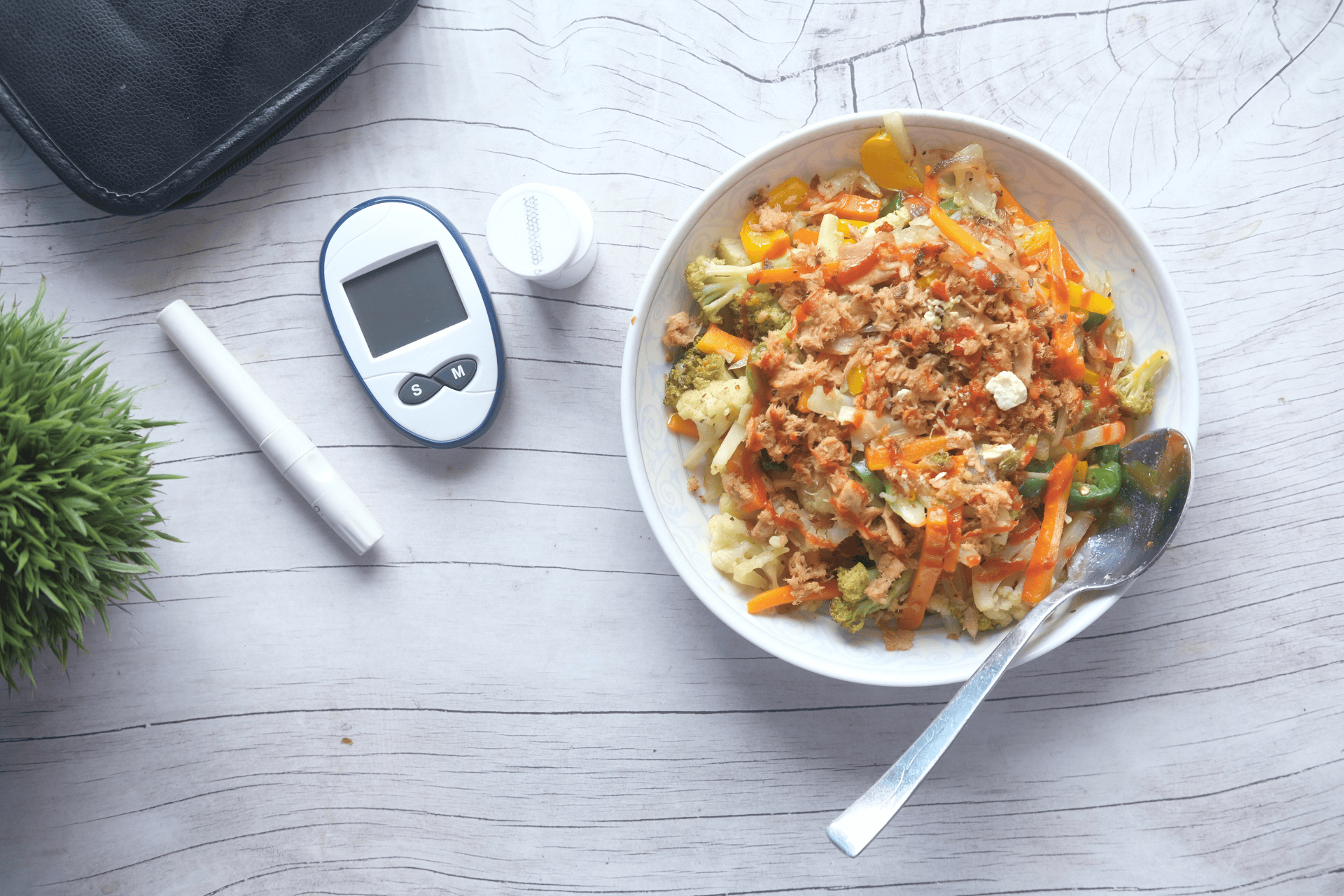 Meal Planning Tips for Success on Semaglutide
Adjusting your diet while taking semaglutide doesn’t have to be complicated. Simple strategies can help you stay on track.
Instead of three large meals, try five or six smaller ones throughout the day. This can reduce nausea and prevent overwhelming fullness.
Drinking water regularly supports digestion and helps manage side effects. Avoid sugary beverages that can spike blood sugar.
Each meal should include a source of protein, fiber-rich vegetables or whole grains, and healthy fats. This balance promotes steady energy and satiety.
Having options like nuts, yogurt, or cut vegetables available can prevent reaching for less nutritious choices when hunger strikes.
Starting semaglutide is a significant step. If you experience persistent side effects, difficulty managing your diet, or have questions about your treatment, professional guidance is key.
doctronic.tech offers convenient telehealth visits with licensed doctors who can provide personalized advice tailored to your needs. This service is available 24/7 across all 50 states, making it easy to get support anytime.
Regular check-ins with your healthcare provider ensure your diet and medication work well together for optimal results.
Semaglutide can jumpstart weight loss and improve blood sugar control, but lasting success comes from sustainable lifestyle changes. Developing a pattern of nutritious eating, physical activity, and medical follow-up is essential.
Focus on foods that nourish your body and satisfy your appetite without excess calories. Over time, your preferences and tolerance will evolve, so stay flexible and patient with yourself.
Eating a wide range of foods ensures you get a spectrum of nutrients. Experiment with new recipes and seasonal produce to keep meals interesting.
Track how different foods affect your energy, mood, and digestion. Adjust your diet based on what feels best for you.
Apps and telehealth platforms like doctronic.tech can help you stay connected with healthcare professionals and access up-to-date medical information to guide your choices.
Eating well while on semaglutide means choosing foods that complement the medication’s effects and support your overall health. Prioritize lean proteins, fiber-rich vegetables, whole grains, and healthy fats. Avoid processed, sugary, and greasy foods that can cause discomfort or undermine progress.
Adjust meal size and frequency to manage side effects, and stay hydrated. If questions or challenges arise, turn to telehealth platforms like doctronic.tech for expert guidance anytime. With thoughtful nutrition and professional support, semaglutide can be a powerful part of your health journey.
Yes, but focus on complex carbohydrates like whole grains and vegetables. These provide steady energy and help control blood sugar better than refined carbs.
Try smaller, more frequent meals and avoid greasy or spicy foods. Drinking ginger tea or sucking on ginger candies may also help. If nausea persists, consult your doctor.
It is important to nourish your body even if your appetite is reduced. Skipping meals can lead to low energy and nutrient deficiencies. Aim for light, balanced snacks if full meals are difficult.
Choose nutrient-dense foods rich in vitamins, minerals, and protein. Consider supplements only under medical advice. Regular check-ups can help monitor your nutritional status.
Telehealth services like doctronic.tech provide access to doctors who understand your medication and can tailor recommendations to your health goals.
Semaglutide works best when paired with smart nutrition, focusing on lean protein, fiber-rich vegetables, whole grains, and healthy fats while avoiding greasy, sugary foods. Smaller, balanced meals help manage side effects and boost results. For personalized guidance, telehealth support from doctronic.tech makes staying on track easier.
How Semaglutide Influences Your Eating HabitsSemaglutide is a medication increasingly prescribed for weight management and type 2 diabetes. It works by mimicking a hormone [...]
Read More