

7 Common and Serious Side Effects of Airsupra
Understanding Airsupra Side EffectsAirsupra is a prescription inhaler used as a rescue medication to relieve asthma symptoms in adults aged 18 years and older. It is not [...]
Read More
Medically reviewed by Jerome Albert Ecker | MD, Assistant Professor of Medicine, Duke University - Durham, NC on August 29th, 2023.
Malassezia yeast naturally inhabits everyone's skin but causes discolored patches when hormonal changes, excessive sweating, or oily skin create ideal growth conditions—especially common in teens and young adults.
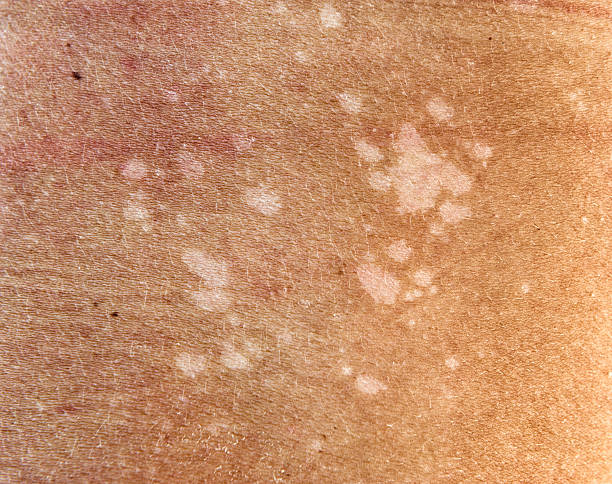
Affected patches appear lighter or darker than surrounding skin (white, pink, brown, or red), feel slightly scaly, and become more prominent after sun exposure because the yeast blocks normal tanning.
Hot, humid climates significantly increase risk, which explains why the condition affects up to 50% of people living in tropical regions compared to much lower rates in temperate areas.
Topical antifungals like ketoconazole 2% shampoo applied for 5-10 minutes daily typically clear the infection within 2-4 weeks, though oral medications may be needed for extensive cases.
Skin color returns to normal 2-3 months after successful treatment, and weekly selenium sulfide shampoo use can prevent recurrence in susceptible individuals.
Tinea versicolor, also known as pityriasis versicolor, is a common fungal skin infection that causes discolored patches on the skin. These patches can be white, pink, red, or brown and may appear lighter or darker than the surrounding skin. While tinea versicolor is not contagious, it can cause discomfort and self-consciousness for those affected.
Tinea versicolor is caused by an overgrowth of a type of yeast called Malassezia, which naturally lives on the skin. Certain factors can trigger this overgrowth, including:
Oily skin
Living in a hot, humid climate
Excessive sweating
Hormonal changes
A weakened immune system
The most common symptoms of tinea versicolor include:
Discolored patches on the skin that may be white, pink, red, or brown
Patches that do not tan evenly with the rest of the skin
Dry, scaly, or itchy patches (rarely painful)
Patches that worsen during warm, humid weather and improve in cool weather
A healthcare provider can usually diagnose tinea versicolor by examining the appearance of the skin rash. In some cases, additional tests may be necessary, such as:
Wood lamp (black light) examination
Microscopy using potassium hydroxide (KOH)
Skin biopsy
Treatment for tinea versicolor typically involves antifungal medications, which can be applied topically or taken orally. Some treatment options include:
Over-the-counter antifungal creams, lotions, or shampoos containing ingredients like clotrimazole, ketoconazole, or selenium sulfide
Prescription-strength antifungal topical medications
Oral antifungal medications for more severe or recurring cases
With proper treatment, the scaly rashes usually heal within 2 to 4 weeks. However, skin discoloration may take several months to a year to resolve completely.
To help prevent tinea versicolor from recurring, consider the following tips:
Avoid using oily skin products
Limit sun exposure and use a broad-spectrum, non-greasy sunscreen with at least SPF 30
Wear loose, breathable clothing to reduce sweating
Use an antifungal shampoo containing selenium sulfide once a week for a few months
If you suspect you have tinea versicolor or are experiencing persistent skin discoloration, consult a dermatologist or healthcare provider for an accurate diagnosis and appropriate treatment plan. With the right care and prevention strategies, you can effectively manage tinea versicolor and maintain healthy, clear skin.
For more information on tinea versicolor and other skin conditions, visit:
This common yeast overgrowth creates temporary but stubborn skin discoloration that responds well to antifungal treatment, though patience is needed for color normalization. Prevention focuses on controlling moisture and oil on the skin, especially during warm months. If you're dealing with persistent discolored patches that don't improve with over-the-counter treatments, Doctronic can help determine the best treatment approach.
Understanding Airsupra Side EffectsAirsupra is a prescription inhaler used as a rescue medication to relieve asthma symptoms in adults aged 18 years and older. It is not [...]
Read MoreUnderstanding Budesonide Interactions for Safe UsageBudesonide is a corticosteroid medication used to treat conditions like asthma, Crohn's disease, and ulcerative [...]
Read MoreUnderstanding Xolair Interactions for Safe UsageXolair (omalizumab) treats severe allergic asthma, chronic hives, and nasal polyps. When starting this medication, patients [...]
Read More