

7 Common and Serious Side Effects of Airsupra
Meta Description: Learn about the 7 common and serious side effects of Airsupra and how to manage risks like oral thrush or heart issues through proper inhaler [...]
Read MoreWomen can gain approximately 3–5% of their baseline body weight during menopause due to hormonal shifts, making targeted nutrition essential
Protein intake becomes critical for preserving muscle mass and maintaining metabolic rate during this transition
A 5-day meal plan focused on phytoestrogens, healthy fats, and fiber can jumpstart weight loss and hormone balance
Intermittent fasting and strategic hydration help combat water retention and support energy levels
Long-term success requires combining dietary changes with strength training and progress tracking beyond the scale
The diet strategies that worked at 35 simply stop delivering results after menopause begins. This isn't a willpower problem. It's biology. Women may gain around 3–5% of their baseline body weight during menopause, and most of that accumulates around the midsection. A menopause-specific diet plan for weight loss must address the unique metabolic challenges this life stage presents. The good news: understanding these changes makes them manageable. doctronic.tech provides personalized guidance for women navigating these hormonal transitions, offering AI-powered insights that remember your health history and adapt recommendations accordingly.
Estrogen does far more than regulate reproductive functions. It helps maintain insulin sensitivity, which determines how efficiently the body processes carbohydrates. When estrogen levels drop, cells become more resistant to insulin's signals. The result: blood sugar stays elevated longer, and excess glucose converts to fat storage rather than energy. This explains why women who never struggled with carbohydrates suddenly find bread and pasta going straight to their waistlines.
Menopause amplifies the body's stress response. Hot flashes, sleep disruption, and mood changes all trigger cortisol release. Elevated cortisol promotes fat storage, particularly visceral fat around the abdomen. This isn't just a cosmetic concern: visceral fat increases inflammation and disease risk. Managing stress through adequate sleep, gentle movement, and relaxation practices becomes as important as food choices during this phase.
Women lose approximately 3–5% of muscle mass per decade after age 30, and this accelerates during menopause. Since muscle tissue burns more calories at rest than fat tissue, declining muscle mass directly reduces metabolic rate. A woman who maintains weight eating 1,800 calories daily may now gain weight on the same intake. Preserving and building muscle through protein intake and resistance training counteracts this decline.
Protein requirements increase during menopause, not decrease. Aim for 1.1–1.3 grams of protein per kilogram of body weight daily. This means a 150-pound woman needs 75–88 grams of protein. Distribute protein evenly across meals rather than loading it at dinner. Good sources include eggs, Greek yogurt, chicken, fish, legumes, and tofu. Each meal should contain 20-30 grams to effectively stimulate muscle protein synthesis.
Phytoestrogens are plant compounds that weakly mimic estrogen in the body. Foods like flaxseeds, soy products, chickpeas, and sesame seeds can help ease hormonal symptoms while supporting weight management. Fiber intake should reach 25-30 grams daily to promote satiety and stable blood sugar. Vegetables, berries, beans, and whole grains provide fiber while keeping calorie density low.
Processed foods, refined sugars, and alcohol worsen menopausal symptoms and promote weight gain. These foods spike blood sugar, increase inflammation, and disrupt sleep quality. Focus on whole foods: vegetables, fruits, lean proteins, nuts, seeds, and healthy fats. This isn't about perfection. Aim for 80% compliance with whole foods, allowing flexibility for enjoyment.
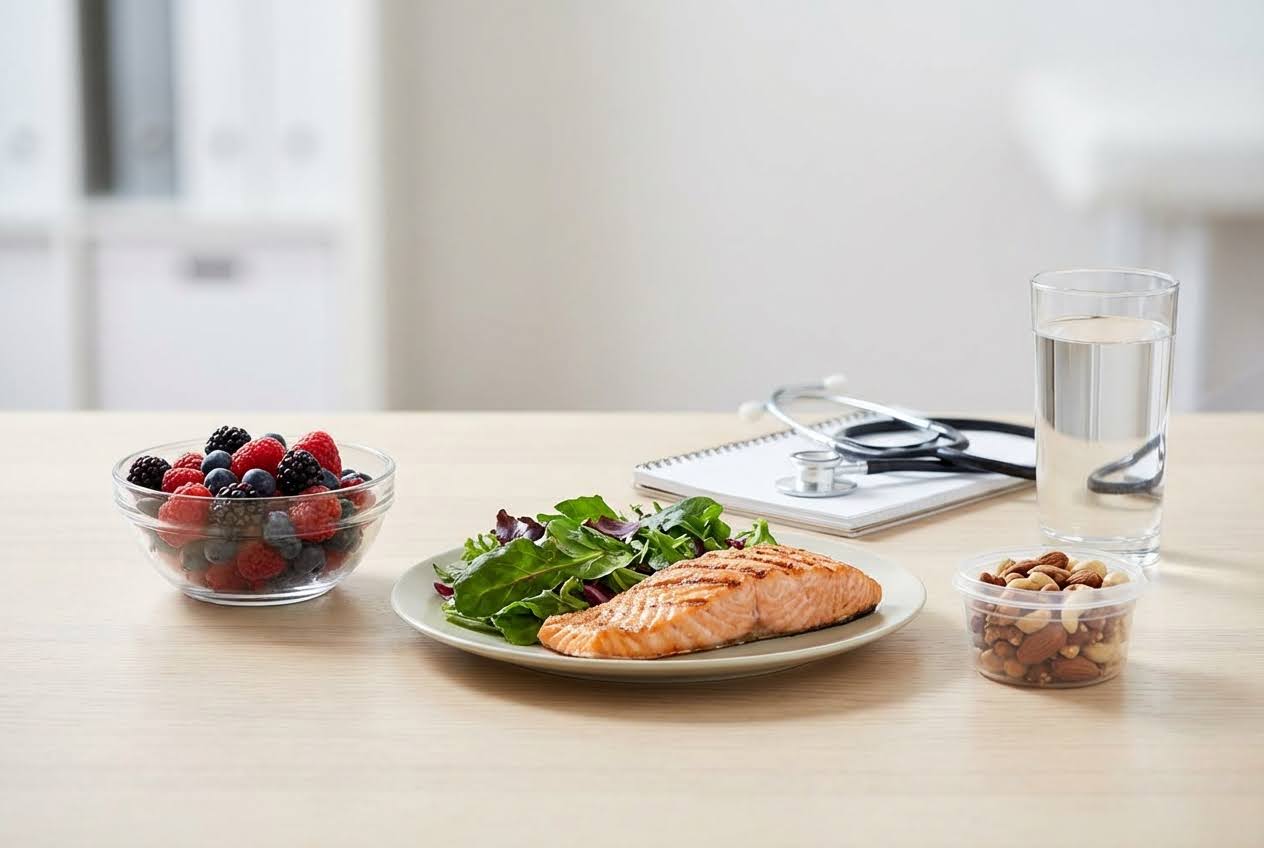
Start mornings with protein-rich breakfasts: two eggs with sautéed spinach and half an avocado, or Greek yogurt with berries and ground flaxseed. Lunch features a large salad with grilled salmon or chicken, mixed greens, chickpeas, and olive oil dressing. Dinner includes baked fish with roasted vegetables and quinoa. Snacks consist of raw vegetables with hummus or a small handful of almonds. These first two days eliminate processed foods completely, resetting taste preferences and stabilizing blood sugar.
Healthy fats support hormone production and reduce inflammation. Breakfast on these days includes an omega-3-rich smoothie with spinach, frozen berries, flaxseed, and almond butter. Lunch features an Asian-inspired bowl with edamame, brown rice, vegetables, and sesame-ginger dressing. Dinner features grass-fed beef or tempeh stir-fry with abundant vegetables, all cooked in coconut oil. Increased fat intake helps keep hunger at bay while supporting hormonal balance.
Day five focuses on reducing water retention while maintaining energy. Breakfast includes overnight oats made with unsweetened almond milk, chia seeds, and fresh fruit. Lunch is a Mediterranean plate with grilled chicken, cucumber, tomatoes, olives, and feta cheese. Dinner features herb-roasted chicken with asparagus and sweet potato. Natural diuretic foods, such as asparagus, cucumber, and lemon water, help reduce bloating that often accompanies hormonal fluctuations.
Time-restricted eating, typically a 12–16-hour overnight fast, can improve insulin sensitivity and support weight management during menopause. This approach means finishing dinner by 7 PM and eating breakfast around 9-11 AM. Research suggests intermittent fasting may help reduce visceral fat in some individuals, but results vary. Start gradually with a 12-hour window and extend as comfortable.
Adequate hydration may seem counterintuitive for reducing water retention, but dehydration triggers the body to retain fluids. Aim for about 2–2.5 liters (68–85 ounces) of water daily. Reduce sodium intake to minimize bloating. For night sweats, keep the bedroom cool and avoid alcohol and spicy foods at dinner. Staying well-hydrated also helps manage hot flashes and supports overall energy levels.
Diet alone cannot prevent the muscle loss that slows metabolism. Resistance training 2-3 times weekly preserves and builds muscle mass. This doesn't require a gym membership; bodyweight exercises, resistance bands, or light dumbbells are effective at home. Focus on major muscle groups: legs, back, chest, and core. Women over 51 should also ensure adequate calcium intake: the recommended daily intake is 1,200 mg to support bone health and muscle-building efforts.
Weight fluctuates significantly during menopause due to hormonal water retention. Track progress using multiple metrics: how clothes fit, energy levels, sleep quality, and waist measurements. Take photos monthly rather than weighing daily. Notice improvements in mood, hot flash frequency, and overall vitality. doctronic.tech helps users track these health markers over time, providing a comprehensive view of progress that goes beyond simple weight numbers.
Most women notice reduced bloating within the first week. Meaningful weight loss typically begins after 2-3 weeks of consistent eating. Expect up to 1 pound per week as a sustainable rate during menopause.
Yes. Dietary changes complement hormone therapy and may enhance its benefits. Consult with a healthcare provider about combining approaches for optimal results.
Eliminate highly processed foods, sugary beverages, excessive alcohol, and trans fats. These foods worsen symptoms and promote weight gain. Limit caffeine if it triggers hot flashes.
The principles are generally safe, but women with diabetes, heart disease, or other conditions should consult their doctor before making significant dietary changes. Blood sugar medications may need adjustment.
Chronic stress elevates cortisol, which promotes belly fat storage and increases cravings for comfort foods. Stress management is essential for successful weight loss during this phase.
A menopause diet focused on protein, healthy fats, and whole foods addresses the unique metabolic challenges women face during this transition. Combined with strength training and stress management, these dietary changes support sustainable weight loss and improved quality of life. For personalized guidance on managing menopause symptoms and weight concerns, doctronic.tech offers AI-powered health consultations that adapt to individual needs.
Meta Description: Learn about the 7 common and serious side effects of Airsupra and how to manage risks like oral thrush or heart issues through proper inhaler [...]
Read MoreMeta Description: Learn about 8 budesonide interactions and what to avoid when you’re taking budesonide, including grapefruit and common drugs, to ensure your treatment is [...]
Read MoreMeta Description: Learn about these 7 Xolair interactions and what to avoid when you’re taking Xolair to safely manage your asthma, chronic hives, or nasal polyp [...]
Read More