

7 Common and Serious Side Effects of Airsupra
Meta Description: Learn about the 7 common and serious side effects of Airsupra and how to manage risks like oral thrush or heart issues through proper inhaler [...]
Read MoreEstrogen fluctuations during menopause can influence histamine release and may temporarily affect the body’s ability to break it down, but they do not directly or universally trigger histamine release.
Histamine intolerance is estimated to affect less than 1% of the population, and while it is more commonly reported among middle-aged women, precise global prevalence data remain limited.
Common symptoms like hot flashes, night sweats, and heart palpitations often worsen after eating high-histamine foods
Fermented foods, aged cheeses, alcohol, and caffeine are major histamine triggers to monitor
Keeping a symptom journal helps identify personal food triggers and patterns
Natural supplements and stress management can significantly reduce histamine-related symptoms
Many women reach their 40s and 50s only to discover that foods they've eaten their entire lives suddenly cause problems. Wine triggers flushing. Aged cheese brings on headaches. Fermented foods cause bloating and skin reactions. This isn't a coincidence or imagination: it's the histamine connection at work during menopause.
Histamine intolerance is thought to affect fewer than 1% of people worldwide, and although women in midlife may notice increased sensitivity, the exact prevalence remains uncertain. The reason? Shifting hormones create a perfect storm that overwhelms the body's histamine-processing systems. Understanding this connection is the first step toward relief.
Estrogen and histamine share a complicated relationship. Estrogen can influence histamine release from mast cells and the enzyme that breaks it down. This creates a double problem during perimenopause when estrogen levels swing from high to low.
During high-estrogen phases, mast cells may release more histamine into the bloodstream. The body can struggle to clear this excess because estrogen can modulate DAO production. Women who never had food sensitivities may find themselves reacting to meals they've enjoyed for decades.
Diamine Oxidase, or DAO, is the primary enzyme responsible for breaking down histamine in the digestive tract. Think of it as a cleanup crew that prevents histamine from building up in the body. DAO levels can be influenced by genetics, gut health, and hormonal changes, but not all women experience a measurable decline during perimenopause.
This explains why symptoms often appear after eating rather than immediately. The histamine "bucket" fills throughout the day, and certain foods push it over the edge. Doctronic can help women track these patterns and understand their personal threshold levels through AI-powered health assessments.
Hot flashes are already a hallmark of menopause, but many women notice they intensify after certain meals. Histamine causes blood vessels to dilate, producing that familiar rush of heat and flushing. When high-histamine foods enter the picture, they add fuel to an already active fire.
Night sweats follow the same pattern. Eating histamine-rich foods at dinner can trigger disrupted sleep and drenching sweats hours later. Women who eliminate trigger foods before bed often report dramatic improvements in sleep quality within days.
Histamine doesn't just cause flushing. It affects nearly every body system. Skin reactions include hives, itching, and unexplained rashes that appear and disappear without an obvious cause. Digestive symptoms range from bloating and cramping to nausea and diarrhea.
Heart palpitations can occur in some individuals due to histamine’s cardiovascular effects, but persistent or severe palpitations should always be medically evaluated to rule out cardiac causes.
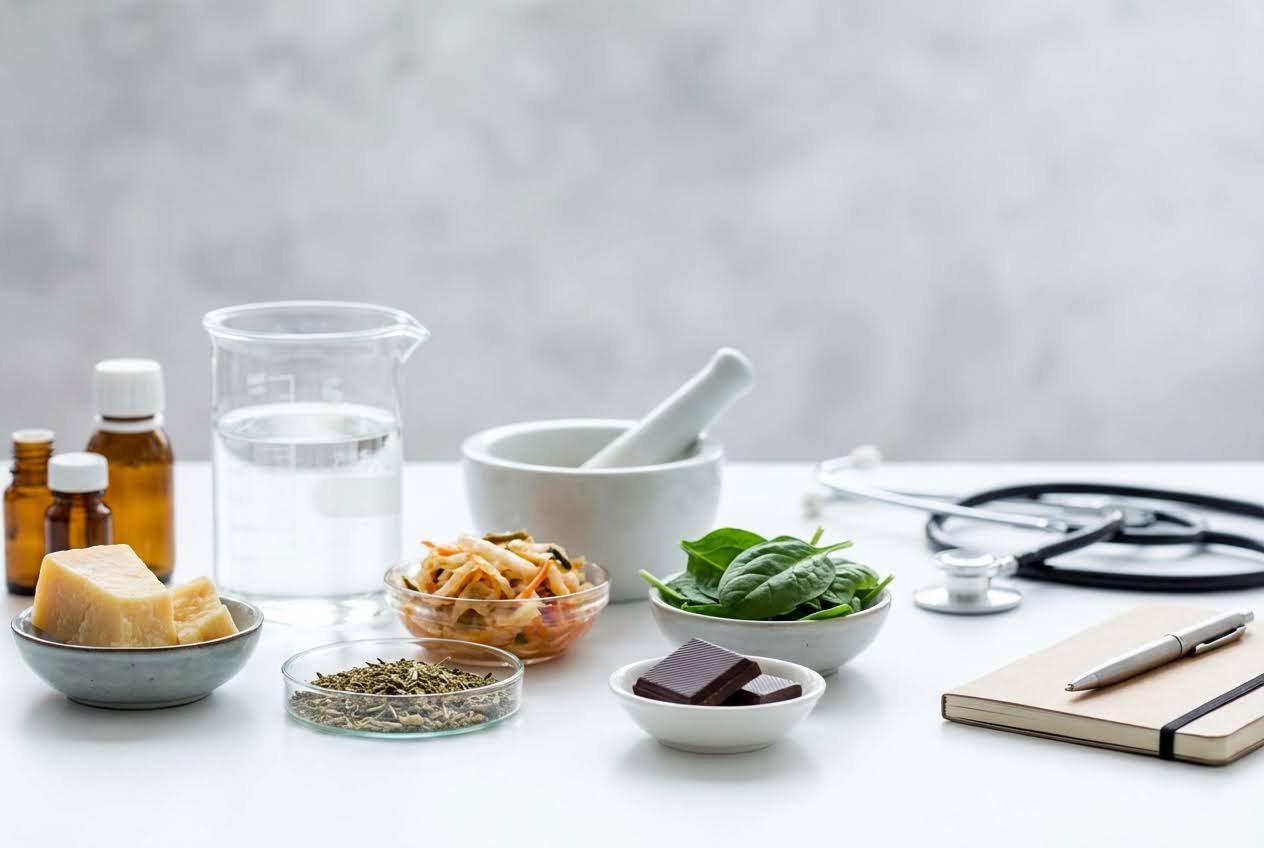
The foods often promoted as healthy can be the worst offenders for histamine-sensitive women. Fermented products like sauerkraut, kimchi, kombucha, and yogurt contain elevated histamine levels produced during fermentation.
Aged cheeses rank among the highest histamine foods available. The longer a cheese ages, the more histamine it contains. Parmesan, blue cheese, and sharp cheddar can trigger reactions within minutes. Other common culprits include:
Cured meats like salami, bacon, and deli cuts
Smoked fish and canned seafood
Vinegar and vinegar-containing foods
Leftover foods that have been stored for days
Alcohol delivers a triple hit to histamine-sensitive women. Wine, beer, and champagne contain histamine themselves. Alcohol also blocks DAO enzyme activity, preventing the body from clearing histamine. Red wine is particularly problematic because it combines high histamine content with compounds that trigger additional histamine release.
Caffeine may not directly inhibit histamine breakdown in all individuals, but high caffeine intake can influence stress hormones and sleep, which may indirectly worsen symptoms in sensitive people.
 Strategies to Lower Your Histamine Bucket
A low-histamine diet focuses on fresh foods eaten soon after preparation. Fresh meats, most vegetables, and gluten-free grains form the foundation. The key is freshness: histamine builds up in foods as they age or sit at room temperature.
Focus on these low-histamine options:
Fresh chicken, turkey, and fish are cooked immediately
Most fresh vegetables except tomatoes, spinach, and eggplant
Fresh fruits like apples, pears, and melons
Rice, quinoa, and fresh bread
Fresh herbs and mild spices
Several natural compounds help stabilize mast cells and support histamine breakdown. Quercetin, found in onions and apples, acts as a natural antihistamine. Vitamin C supports DAO enzyme function and helps clear histamine faster.
DAO supplements are available, but their effectiveness can vary between individuals, and users should consult a healthcare provider before starting them, especially if taking other medications. Doctronic offers personalized guidance on supplement protocols based on individual health profiles and symptom patterns.
Stress triggers mast cell activation and histamine release independent of food. Chronic stress during menopause creates a vicious cycle where elevated cortisol worsens histamine symptoms, which then increases stress levels further.
Effective stress reduction techniques include deep breathing exercises, gentle yoga, and regular walking. Even 10 minutes of daily meditation can measurably reduce mast cell reactivity over time.
A detailed food and symptom journal is the most powerful tool for identifying personal triggers. Record everything eaten along with symptoms and their timing. Patterns typically emerge within two to three weeks of consistent tracking.
Note that reactions can be delayed by several hours, making connections difficult to spot without written records. Doctronic provides digital tracking tools that help identify correlations between foods, activities, and symptoms.
Histamine intolerance currently has no definitive cure, but can often be well managed through dietary changes, addressing gut health, and monitoring triggers. Some women find symptoms lessen after menopause stabilizes.
Not necessarily. Some women tolerate certain fermented foods better than others. Start by eliminating all high-histamine foods, then reintroduce them one at a time to identify personal triggers.
Hormone replacement therapy (HRT) may affect histamine responses differently depending on the formulation and individual response. Estrogen-only HRT can sometimes heighten histamine sensitivity, while combined or progesterone-inclusive therapies may moderate it. Consultation with a healthcare provider is essential for individualized treatment.
Most women notice changes within one to two weeks of strict adherence. Full improvement may take four to six weeks as histamine levels normalize throughout the body.
Food sensitivities during menopause are often linked to the complex relationship between hormones, histamine levels, and the body’s enzyme systems. By identifying trigger foods, supporting healthy DAO (diamine oxidase) function, and managing stress, many women can significantly reduce symptoms and improve daily comfort. For personalized guidance on managing histamine-related menopause symptoms, doctronic.tech offers convenient AI-powered consultations available 24/7, helping you better understand your symptoms and explore next steps from home.
Meta Description: Learn about the 7 common and serious side effects of Airsupra and how to manage risks like oral thrush or heart issues through proper inhaler [...]
Read MoreMeta Description: Learn about 8 budesonide interactions and what to avoid when you’re taking budesonide, including grapefruit and common drugs, to ensure your treatment is [...]
Read MoreMeta Description: Learn about these 7 Xolair interactions and what to avoid when you’re taking Xolair to safely manage your asthma, chronic hives, or nasal polyp [...]
Read More