

7 Common and Serious Side Effects of Airsupra
Meta Description: Learn about the 7 common and serious side effects of Airsupra and how to manage risks like oral thrush or heart issues through proper inhaler [...]
Read MoreCigarette smoke contains over 7,000 toxic chemicals including formaldehyde, benzene, and hydrogen cyanide that directly destroy the delicate cilia responsible for clearing mucus and debris from airways.
Tar accumulation creates a sticky coating in lungs while nicotine constricts blood vessels, reducing oxygen delivery—heavy smokers lose approximately 13-14 years of life expectancy compared to non-smokers.
Lung damage begins immediately but healing starts within 12 hours of quitting as carbon monoxide levels normalize, and cilia function begins recovering within 1-9 months.
Chronic obstructive pulmonary disease (COPD) develops in 15-20% of smokers, causing irreversible airway narrowing that leads to progressive breathing difficulties and reduced exercise tolerance.
Secondhand smoke exposure increases lung cancer risk by 20-30% in non-smokers and contains the same carcinogens as direct smoking, with no safe level of exposure.
Smoking is a harmful habit that can have severe consequences on your respiratory health. While you may have heard countless times that smoking is bad for you, it's essential to understand how tobacco smoke affects your lungs and their ability to bring oxygen into your body. In this article, we'll explore the differences between healthy lungs and smokers' lungs, and discuss the benefits of quitting smoking.
Healthy lungs are a pair of spongy, air-filled organs located in your chest cavity. Their primary function is to bring oxygen into your body and remove carbon dioxide. When you inhale, air enters your body through the windpipe (trachea) and travels through the bronchial tubes to reach tiny air sacs called alveoli. Here, oxygen is transferred into your bloodstream, while carbon dioxide is removed from your blood and exhaled.
Healthy lungs have several key characteristics:
Pink in color
Spongy and flexible texture
Efficient at bringing oxygen into the body and removing carbon dioxide
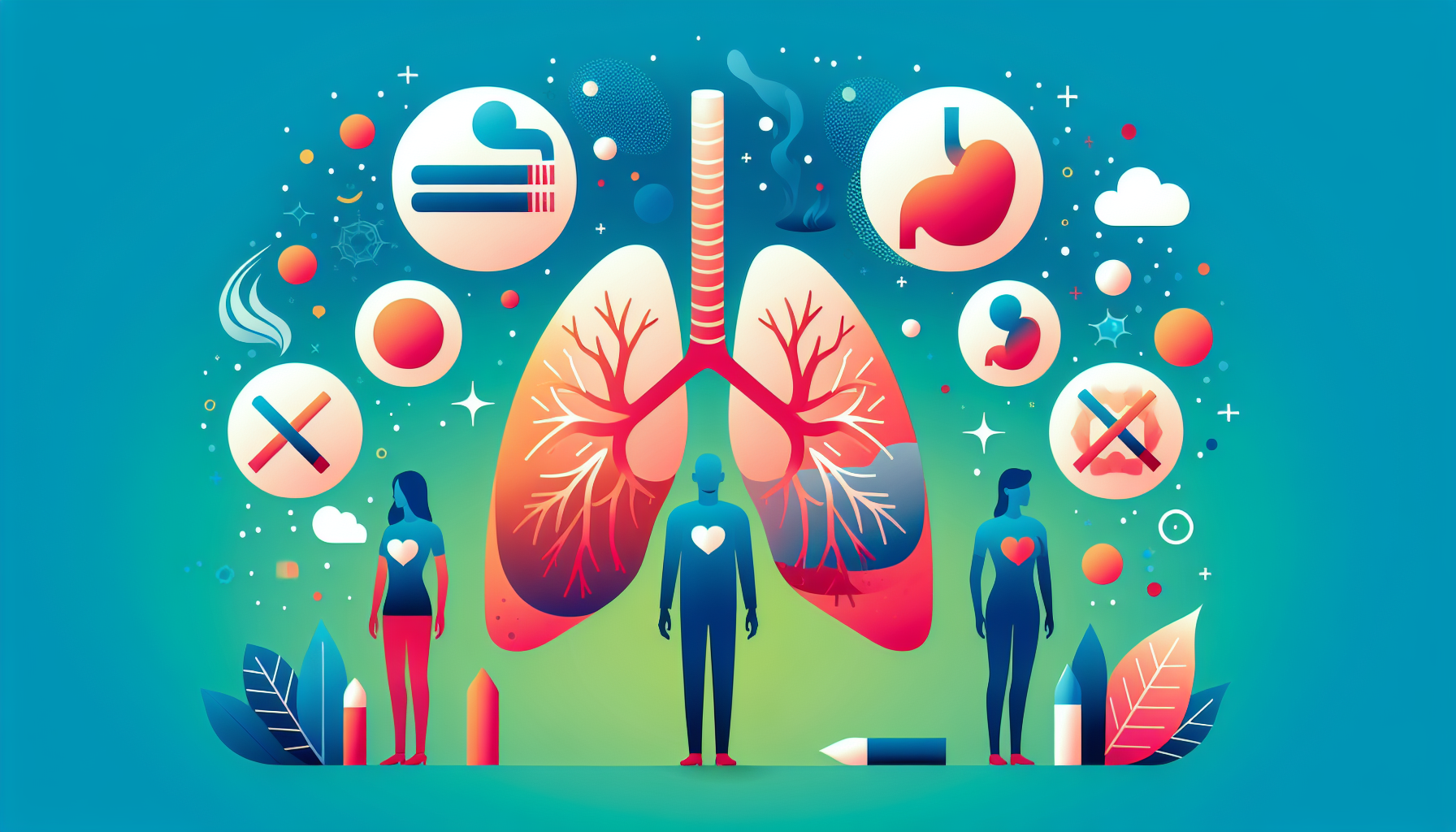
Cigarette smoke contains over 7,000 chemicals, with nearly 70 known to cause cancer. When you inhale tobacco smoke, these toxins deeply penetrate your lungs, causing inflammation and damage. Some of the harmful effects of smoking on your lungs include:
Excessive mucus production: Smoking irritates your airways, causing them to produce excess mucus. This leads to coughing, bronchitis, and an increased risk of pneumonia.
Airway inflammation and narrowing: Toxins in cigarette smoke cause the tiny airways in your lungs to swell, resulting in chest tightness, wheezing, and shortness of breath.
Tar buildup: Sticky tar from tobacco accumulates in your lungs, giving them a black appearance over time.
Cilia damage: Nicotine in cigarette smoke paralyzes and kills cilia, the hair-like structures that filter dust and dirt from the air you breathe. This makes you more susceptible to respiratory infections.
Alveoli destruction: Smoking damages the tiny air sacs (alveoli) responsible for bringing oxygen into your body. When too many alveoli are destroyed, you may develop emphysema, a serious lung condition that causes severe shortness of breath.
The good news is that quitting smoking allows your lungs to start repairing themselves. Within just 12 hours of quitting, the carbon monoxide levels in your blood drop to a healthy level, allowing more oxygen to reach your vital organs. As your lungs recover, you may experience increased coughing at first, which is a sign that your cilia are becoming active again and helping to clear excess mucus from your airways.
If you're considering quitting smoking, consult your healthcare provider for guidance and support. They can provide you with resources and strategies to help you break the habit and improve your respiratory health. Remember, it's never too late to quit smoking and start your journey towards healthier lungs.
For more information on the effects of smoking and tips for quitting, visit:
Smoking inflicts immediate and cumulative damage to lung tissue through thousands of toxic chemicals, but quitting at any age allows significant healing to begin within hours. The earlier you quit, the more lung function you can preserve and recover. If you're experiencing persistent cough, shortness of breath, or other respiratory symptoms, Doctronic can help you get quick answers about your lung health.
Meta Description: Learn about the 7 common and serious side effects of Airsupra and how to manage risks like oral thrush or heart issues through proper inhaler [...]
Read MoreMeta Description: Learn about 8 budesonide interactions and what to avoid when you’re taking budesonide, including grapefruit and common drugs, to ensure your treatment is [...]
Read MoreMeta Description: Learn about these 7 Xolair interactions and what to avoid when you’re taking Xolair to safely manage your asthma, chronic hives, or nasal polyp [...]
Read More