

7 Common and Serious Side Effects of Airsupra
Meta Description: Learn about the 7 common and serious side effects of Airsupra and how to manage risks like oral thrush or heart issues through proper inhaler [...]
Read MoreApproximately 40–60% of women experience joint pain around menopause, largely influenced by hormonal changes such as declining estrogen, which can affect cartilage and inflammation regulation
Omega-3 fatty acids, turmeric, and ginger offer natural anti-inflammatory benefits for joint relief
Collagen peptides, glucosamine, and chondroitin support cartilage structure and connective tissue health
Vitamin D3, calcium, magnesium, and vitamin K2 contribute to maintaining bone strength and overall skeletal health
Lifestyle factors like diet and low-impact exercise significantly enhance supplement effectiveness
Consulting with a healthcare provider through services like Doctronic helps create a personalized supplement plan
Joint pain during menopause catches many women off guard. Aching knees, stiff fingers, and sore hips seem to appear from nowhere, yet the connection is well-documented. Research shows that over 50% of women experience arthralgia or arthritis around the time of menopause. The global prevalence of osteoarthritis among women was estimated at roughly 260 million cases, reflecting an increasing trend with aging populations. Finding the right supplements for menopause joint pain can make a real difference in daily comfort and mobility. Doctronic offers AI-powered consultations to help women understand their symptoms and explore treatment options based on the latest medical research.
Estrogen does far more than regulate reproductive functions. This hormone actively protects joint cartilage by promoting the production of collagen and other proteins that help cushion joints. Estrogen also suppresses inflammatory markers in the body, acting as a natural anti-inflammatory agent. When estrogen levels drop during perimenopause and menopause, joints lose this protective shield. The result is increased friction, inflammation, and pain that many women describe as sudden and unexplained.
Menopausal joint pain often presents as morning stiffness, aching in the hands and knees, and general joint discomfort that improves with movement. This differs from osteoarthritis, which typically worsens with activity and involves specific joint deterioration visible on imaging. Many women have both conditions simultaneously, making an accurate diagnosis essential. A healthcare provider can help distinguish between these conditions and recommend appropriate interventions.
Fish oil supplements containing EPA and DHA omega-3 fatty acids rank among the most studied supplements for joint health. These fatty acids reduce the production of inflammatory compounds called prostaglandins and leukotrienes. Most clinical guidelines suggest a combined EPA and DHA intake of about 1–2 grams daily for joint support, unless otherwise directed by a clinician. Women who dislike fish can opt for algae-based omega-3 supplements as an effective alternative.
Curcumin, the active compound in turmeric, has demonstrated anti-inflammatory effects comparable to some over-the-counter pain medications in clinical studies. The challenge lies in absorption: curcumin alone has poor bioavailability. Look for supplements containing piperine (black pepper extract) or formulated with phospholipids to enhance absorption by up to 2,000%.
Ginger has been used for centuries to treat inflammatory conditions. Modern research confirms that gingerols and shogaols in ginger inhibit inflammatory pathways similar to NSAIDs. A daily dose of 250-500mg of concentrated ginger extract can reduce joint pain and improve mobility. Fresh ginger in cooking provides benefits, too, though concentrated supplements deliver more consistent doses.
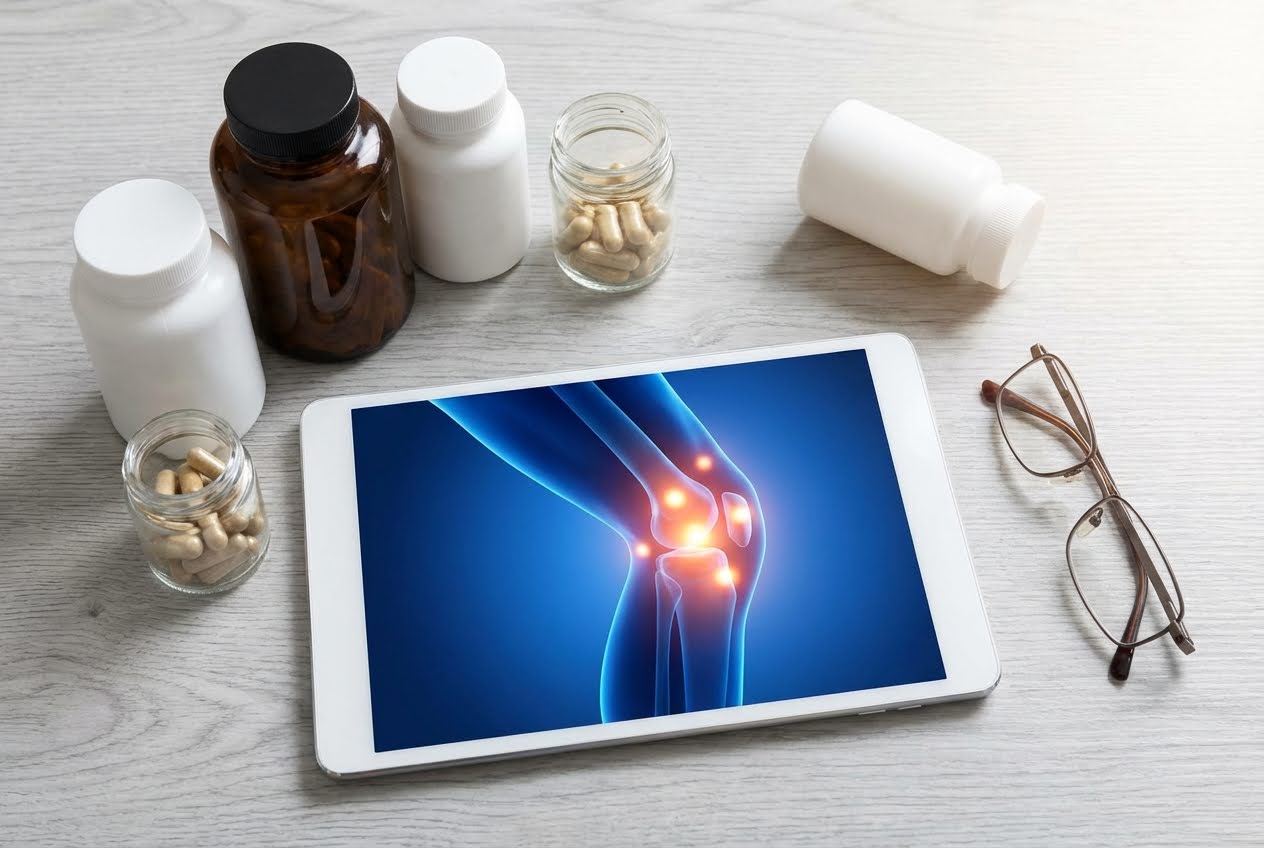 Structural Support: Glucosamine, Chondroitin, and Collagen
Collagen makes up about 60% of cartilage's dry weight. As estrogen declines, collagen production slows significantly. Hydrolyzed collagen peptides (typically 10 grams daily) provide the amino acids needed to support cartilage maintenance. Types I and II collagen specifically target joint and skin health. Studies show improvements in joint comfort after 8-12 weeks of consistent use.
Glucosamine and chondroitin are natural compounds found in healthy cartilage. Supplements aim to provide building blocks for cartilage repair and maintenance. Research results are mixed: some studies show significant benefits for joint pain, while others show minimal effects. The National Center for Complementary and Integrative Health states that the evidence on dietary supplements for relieving menopausal symptoms is inconclusive. This underscores the importance of individual experimentation with healthcare guidance.
Vitamin D deficiency is extremely common in menopausal women and directly impacts joint and bone health. Without adequate vitamin D, the body cannot properly absorb calcium, regardless of intake. Blood testing can determine current levels; most experts recommend 600–800 IU of D3 daily for general bone health, though higher doses may be prescribed based on deficiency status. Vitamin D also plays a role in reducing inflammation throughout the body.
Magnesium supports over 300 enzymatic reactions, including those involved in muscle relaxation and nerve function. Tight muscles around joints can worsen pain and stiffness. Magnesium glycinate or citrate forms absorb well and rarely cause digestive upset. A dose of 300-400mg daily helps many women experience less muscle tension and improved sleep, which further supports healing.
Vitamin K2 works alongside vitamin D to ensure calcium deposits in bones rather than soft tissues and arteries. The MK-7 form of K2 remains active in the body the longest. Taking 100-200mcg daily supports proper calcium metabolism and bone density maintenance. This vitamin is often overlooked but plays a critical role in skeletal health during menopause.
Black cohosh has been used for decades to manage menopausal symptoms. While its exact mechanism remains debated, some research suggests it may help balance hormone fluctuations that contribute to joint pain. Typical doses range from 20 to 40mg of standardized extract daily. Women with hormone-sensitive conditions or liver disorders should consult a healthcare provider before use, as rare cases of liver toxicity have been reported.
Soy isoflavones are plant compounds that weakly mimic estrogen in the body. These phytoestrogens may help offset some effects of declining natural estrogen, including joint discomfort. Studies show mixed results: some women experience significant relief, while others notice little change. A daily intake of 40-80mg of isoflavones from supplements or whole soy foods is commonly recommended.
Supplements work best when used alongside an anti-inflammatory diet. Focus on fatty fish, leafy greens, berries, nuts, and olive oil. Reduce processed foods, refined sugars, and excessive red meat, which can promote inflammation. Mediterranean-style eating consistently shows benefits for joint health in research studies.
Movement keeps joints lubricated and muscles strong. Swimming, cycling, walking, and yoga protect joints while building strength. Aim for 30 minutes of low-impact activity most days. Resistance training also helps by supporting the muscles that stabilize joints.
Persistent joint pain, sudden swelling, or significantly limited mobility warrants professional evaluation. Doctronic provides convenient access to medical consultations that can help determine whether symptoms require further testing or treatment beyond supplements. A healthcare provider can also check for interactions between supplements and medications.
No single supplement works best for everyone. Omega-3 fatty acids and collagen peptides have the strongest research support for joint health. Many women benefit from combining multiple supplements targeting different aspects of joint function.
Most supplements require 8-12 weeks of consistent use before noticeable improvements occur. Patience and daily compliance are essential for evaluating effectiveness.
Supplements may help manage symptoms, but do not replace estrogen in the body. Women with severe symptoms should discuss all options, including hormone therapy, with their healthcare provider.
Most joint supplements are well-tolerated. Fish oil may cause fishy burps, glucosamine can affect blood sugar, and some herbs interact with medications. Starting with lower doses helps identify any sensitivities.
Fat-soluble supplements like vitamin D, vitamin K2, and omega-3s absorb better with meals containing fat. Water-soluble supplements can be taken anytime.
Supplements for menopause joint pain can provide meaningful relief when chosen wisely and used consistently. Combining anti-inflammatory supplements with structural support nutrients and hormone-balancing herbs offers a comprehensive approach. For personalized guidance on managing menopause symptoms, visit Doctronic for AI-powered medical consultations available 24/7.
Meta Description: Learn about the 7 common and serious side effects of Airsupra and how to manage risks like oral thrush or heart issues through proper inhaler [...]
Read MoreMeta Description: Learn about 8 budesonide interactions and what to avoid when you’re taking budesonide, including grapefruit and common drugs, to ensure your treatment is [...]
Read MoreMeta Description: Learn about these 7 Xolair interactions and what to avoid when you’re taking Xolair to safely manage your asthma, chronic hives, or nasal polyp [...]
Read More