

7 Common and Serious Side Effects of Airsupra
Meta Description: Learn about the 7 common and serious side effects of Airsupra and how to manage risks like oral thrush or heart issues through proper inhaler [...]
Read MoreUp to 50% of women experience skin problems during menopause due to declining estrogen levels
Omega-3 fatty acids, evening primrose oil, and sea buckthorn oil help restore the skin barrier and reduce inflammation
Vitamins E, C, D, and zinc support skin repair and immune function to combat itchiness
Phytoestrogens from black cohosh and soy isoflavones may help balance hormones naturally
Collagen and hyaluronic acid supplements improve skin hydration from the inside out
Always consult a healthcare provider before starting new supplements to avoid medication interactions
That persistent, maddening itch that seems to come from nowhere is one of menopause's most frustrating symptoms. Up to about half of women report skin problems during menopause, often due to decreased estrogen levels. The right supplements for menopause itchy skin can make a real difference, but knowing which ones actually work requires understanding what's happening beneath the surface. This guide breaks down the most effective options backed by research, so women can find relief without wasting money on products that don't deliver.
Estrogen does far more than regulate reproductive cycles. This hormone directly influences skin thickness, moisture retention, and collagen production. When estrogen levels drop during menopause, the skin loses about 2% of its collagen per year for the first five years. The result is thinner, drier skin that struggles to maintain its protective barrier. Women who once had naturally supple skin suddenly find themselves dealing with tightness, flaking, and that relentless itch.
Pruritus, the medical term for itching, happens when nerve endings in the skin become more sensitive due to decreased moisture and barrier function. As many as 50%–70% of postmenopausal women are affected by Genitourinary Syndrome of Menopause, which includes vaginal dryness and itching. The skin's oil glands also produce less sebum, leaving skin vulnerable to environmental irritants. doctronic.tech can help women understand their specific symptoms and determine which supplements might work best for their situation.
Omega-3 fatty acids from fish oil are among the most researched supplements for skin health. These fats reduce inflammatory markers in the body, which directly affects skin comfort. EPA and DHA, the active compounds in fish oil, strengthen cell membranes and help skin retain moisture. A daily dose of 250 to 1,000 mg of combined EPA and DHA can produce noticeable improvements within six to eight weeks.
Evening primrose oil contains GLA, an omega-6 fatty acid that the body converts into anti-inflammatory compounds. Unlike other omega-6 fats that can promote inflammation, GLA works differently. Women taking 500 mg twice daily often report softer, less irritated skin. This supplement works particularly well for those who also experience hormonal acne or eczema flare-ups during menopause.
Sea buckthorn oil is a lesser-known option that deserves attention. This berry-derived oil contains omega-7 fatty acids, which specifically support mucosal tissues and skin hydration. Research shows it helps with both external skin dryness and internal moisture issues. The typical dose ranges from 300 to 2,000 mg daily, and it pairs well with other fatty acid supplements.
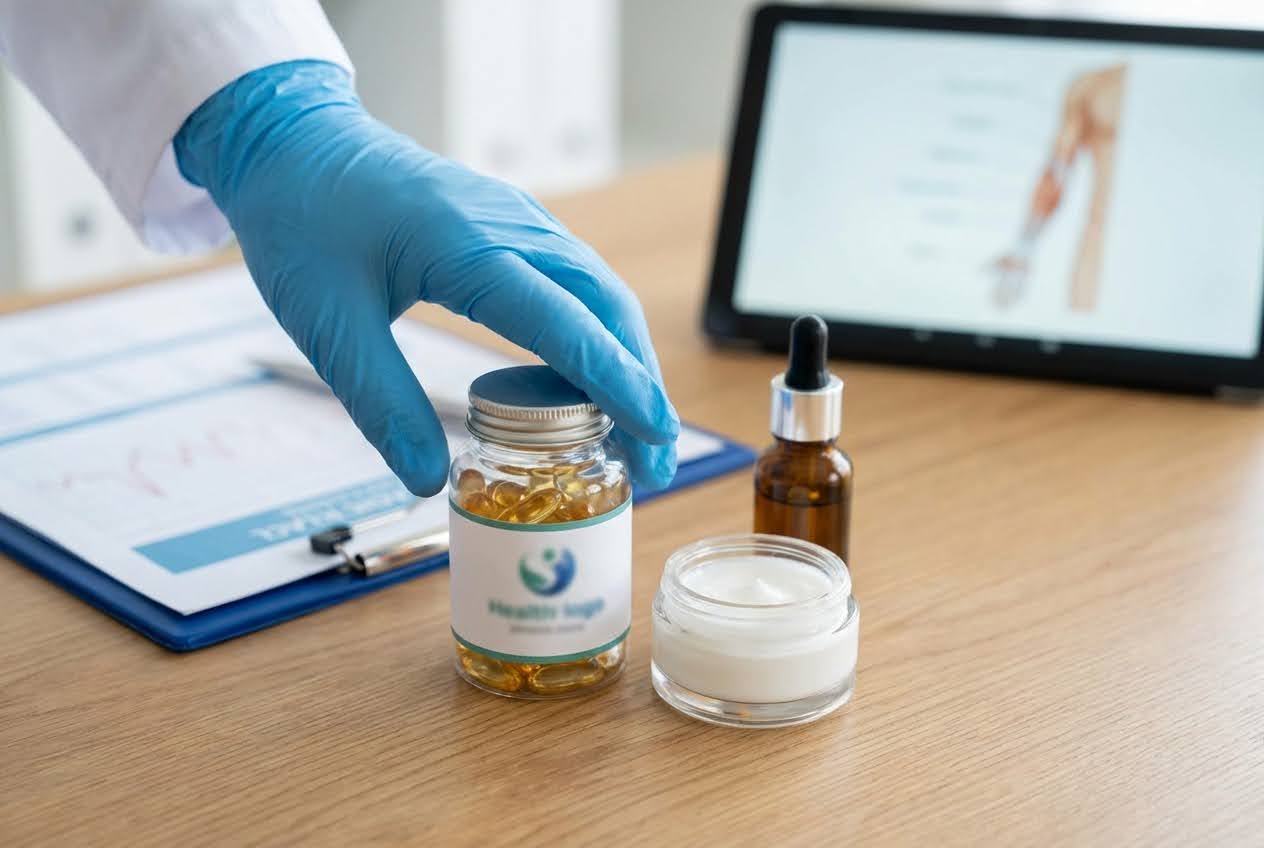 Key Vitamins and Minerals to Combat Itchiness
Vitamin E protects skin cells from oxidative damage and supports the healing of dry, irritated tissue. This fat-soluble vitamin works best when taken with a meal containing healthy fats. Doses of 100 to 400 IU daily can improve skin texture and reduce itching. Some women also apply vitamin E oil topically for targeted relief.
Vitamin C is essential for collagen production, and the body cannot make this vitamin on its own. Without adequate vitamin C, the skin cannot repair itself properly or maintain its structure. Taking 500 to 1,000 mg daily supports both collagen synthesis and antioxidant protection. Buffered forms are gentler on the stomach for those with sensitivity.
Zinc plays a critical role in skin healing and immune function. Many menopausal women are deficient in this mineral, which can worsen skin symptoms. Vitamin D also influences skin health through its effects on the immune system and cell turnover. A combination of 8 to 15 mg of zinc and 1,000 to 2,000 IU of vitamin D3 daily addresses common deficiencies that contribute to itchy skin.
Black cohosh has been used for centuries to address menopausal symptoms. This herb may help balance hormones naturally, though research results are mixed. There isn't enough evidence to support the use of over-the-counter remedies for hot flashes, and similar caution applies to skin symptoms. Women should discuss black cohosh with their healthcare provider before starting.
Soy isoflavones are plant compounds that weakly mimic estrogen in the body. These phytoestrogens may provide some relief for women whose skin symptoms stem from hormonal decline. Typical doses range from 40 to 80 mg daily. Women with a history of hormone-sensitive cancers should consult doctronic.tech or their physician before using soy supplements.
Hydrolyzed collagen supplements provide the building blocks skin needs to maintain its structure. Studies show that taking 2.5 to 10 grams daily can improve skin hydration, elasticity, and roughness. The peptides in hydrolyzed collagen are small enough to be absorbed through the digestive system and reach skin tissue. Results typically become visible after eight to twelve weeks of consistent use.
Hyaluronic acid holds up to 1,000 times its weight in water, making it crucial for skin hydration. Oral supplements of 120 to 240 mg daily can increase skin moisture levels from within. This supplement works well alongside collagen for comprehensive skin support. Many women notice reduced dryness and itching within four to six weeks.
Quality matters enormously with supplements. Look for third-party testing certifications from organizations like USP, NSF, or ConsumerLab. Start with the lower end of recommended doses and increase gradually. Keep a symptom journal to track what works and what doesn't.
Fish oil can thin the blood, so those on anticoagulants need medical supervision. Black cohosh may affect liver function in rare cases. Vitamin E in high doses can interfere with blood clotting. Always disclose supplement use to healthcare providers, and consider using doctronic.tech to check for potential interactions.
Supplements work from the inside out, but topical treatments provide faster relief. Ceramide-based moisturizers rebuild the skin barrier quickly. Oatmeal baths soothe widespread itching. Using both internal and external approaches produces the best results for most women.
Most supplements require four to twelve weeks of consistent use before producing noticeable results. Fatty acids and collagen typically take longer than vitamins because they work by rebuilding skin structure rather than providing immediate relief.
Yes, many supplements work better in combination. Omega-3s, vitamin E, and collagen complement each other well. Start one supplement at a time to identify any reactions, then add others gradually.
Women with hormone-sensitive conditions should be cautious with phytoestrogens like soy isoflavones and black cohosh. Those on blood thinners should consult their doctor before taking fish oil or high-dose vitamin E.
Supplements generally provide milder effects than hormone replacement therapy. They work best for women with moderate symptoms or those who cannot use HRT due to medical reasons.
Omega-3 fish oil is often the best starting point because it has strong research support and addresses multiple symptoms. It reduces inflammation, supports skin hydration, and is well-tolerated by most women.
Supplements for menopause itchy skin work best when chosen based on individual needs and used consistently over time. Combining fatty acids, vitamins, and collagen with proper hydration and gentle skincare offers the most complete relief for this common but frustrating symptom.
For personalized guidance on managing menopause symptoms, visit doctronic.tech for a free AI doctor consultation that remembers your health history and provides recommendations based on the latest medical research.
Meta Description: Learn about the 7 common and serious side effects of Airsupra and how to manage risks like oral thrush or heart issues through proper inhaler [...]
Read MoreMeta Description: Learn about 8 budesonide interactions and what to avoid when you’re taking budesonide, including grapefruit and common drugs, to ensure your treatment is [...]
Read MoreMeta Description: Learn about these 7 Xolair interactions and what to avoid when you’re taking Xolair to safely manage your asthma, chronic hives, or nasal polyp [...]
Read More