

7 Common and Serious Side Effects of Airsupra
Meta Description: Learn about the 7 common and serious side effects of Airsupra and how to manage risks like oral thrush or heart issues through proper inhaler [...]
Read MoreProgesterone levels drop significantly during perimenopause, often faster than estrogen, creating hormonal imbalances that trigger common symptoms.
Low progesterone contributes to sleep problems, mood changes, irregular periods, and heavy bleeding during the menopausal transition.
Micronized progesterone offers a safer alternative to synthetic progestins, with research showing a 48% decrease in hot flashes and night sweats.
Progesterone therapy provides benefits beyond symptom relief, including possible bone support and potential cognitive support.
Regular lab testing and open communication with healthcare providers help ensure safe, effective treatment.
Most women hear plenty about estrogen when menopause approaches. Progesterone rarely gets the same attention, yet this hormone plays an equally critical role in how the body handles the menopausal transition. When progesterone levels fall, the effects ripple through sleep patterns, mood regulation, menstrual cycles, and overall well-being. Women and their doctors are finally recognizing that progesterone matters just as much as estrogen. Understanding what progesterone does and how to manage its decline can make the difference between struggling through menopause and moving through it with confidence.
Progesterone production happens primarily in the ovaries after ovulation. As women enter their 40s, ovulation becomes less regular, which means progesterone production becomes unpredictable. Many women notice symptoms of low progesterone years before their periods actually stop. This decline often happens faster than the drop in estrogen, creating an imbalance that catches many women off guard. The body relies on a careful balance between these two hormones, and when that balance tips, symptoms follow quickly.
When progesterone falls while estrogen remains relatively stable, doctors call this estrogen dominance. This imbalance causes many of the most frustrating perimenopausal symptoms. Women may experience breast tenderness, water retention, headaches, and worsening PMS symptoms. The uterine lining can also build up excessively without progesterone to regulate it, leading to heavy or prolonged bleeding. doctronic.tech provides detailed information about hormonal imbalances and can help women understand their specific symptoms before consulting with a healthcare provider.
Progesterone has a calming effect on the brain. It helps produce a metabolite called allopregnanolone, which promotes relaxation and sleep. When progesterone levels drop, many women find themselves lying awake at night or waking frequently. Sleep quality suffers even when total sleep hours remain the same. Poor sleep then worsens other menopausal symptoms, creating a frustrating cycle that leaves women exhausted.
The same calming properties that help with sleep also stabilize mood. Low progesterone often brings increased anxiety, irritability, and emotional sensitivity. Women may feel like they're on an emotional roller coaster, reacting more strongly to everyday stressors. These mood changes aren't a character flaw or weakness. They're a direct result of hormonal shifts that affect brain chemistry.
Without adequate progesterone to regulate the menstrual cycle, periods become unpredictable. Some months may bring very light bleeding, while others bring flooding that disrupts daily life. Heavy bleeding can lead to iron deficiency anemia, causing fatigue and weakness on top of other symptoms. Many women assume irregular bleeding is just part of getting older, but it often signals a treatable progesterone deficiency.
Women with an intact uterus who take estrogen therapy must also take progesterone. This isn't optional. Estrogen alone causes the uterine lining to thicken continuously, which significantly increases the risk of uterine cancer. Progesterone signals the lining to shed regularly, protecting against this dangerous buildup. Even women who had ablations or other procedures that reduced their uterine lining typically need progesterone with estrogen therapy.
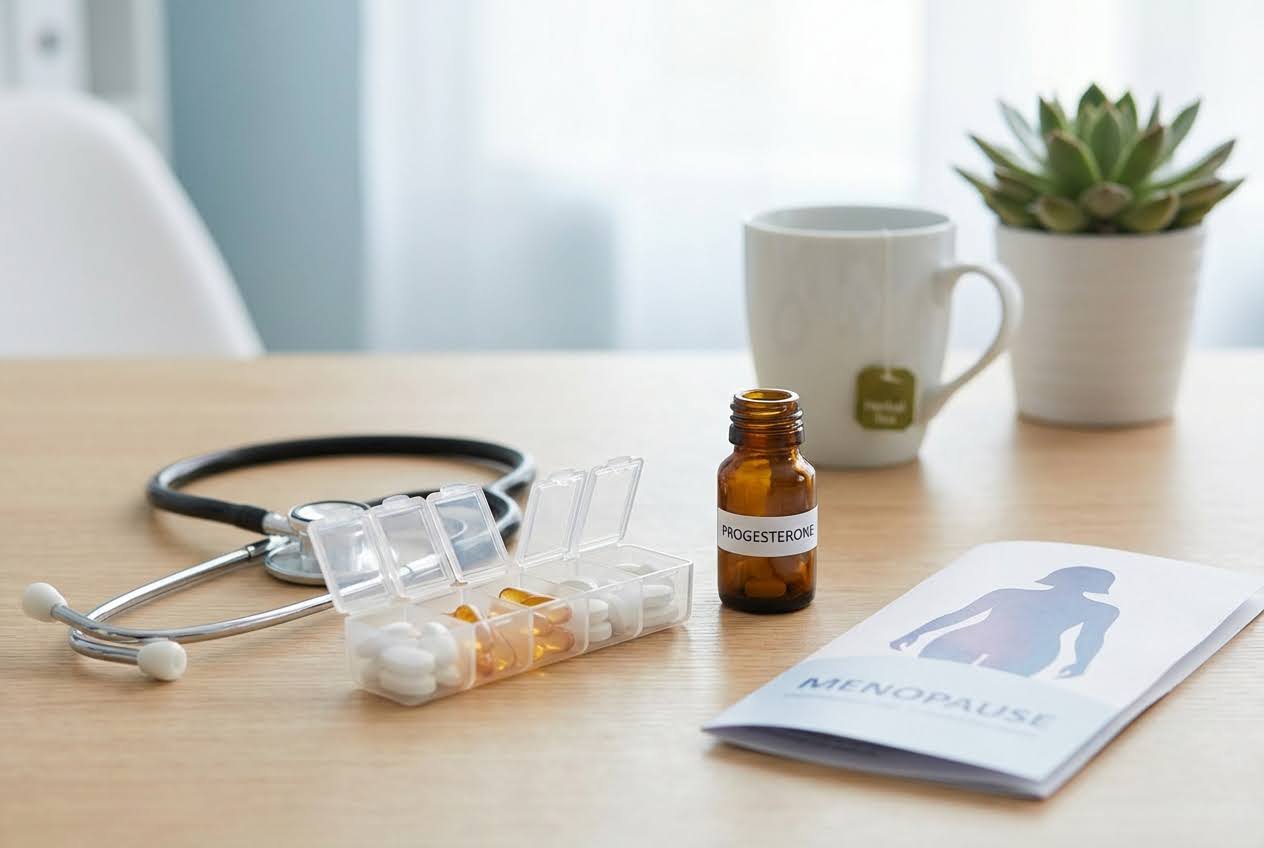
Not all progesterone is created equal. Micronized progesterone, which is identical to the hormone the body makes naturally, offers advantages over synthetic progestins. Research shows that oral micronized progesterone at 300 mg taken at bedtime effectively treats hot flashes and night sweats, with one study showing a 48% overall decrease in these symptoms. Synthetic progestins carry different risks and don't provide the same sleep and mood benefits as natural progesterone.
Progesterone comes in several forms. Oral capsules work well for many women and provide sleep benefits when taken at bedtime. Vaginal preparations deliver progesterone directly to the uterus and may cause fewer side effects. Creams applied to the skin offer another option, though absorption can vary. The best delivery method depends on individual needs, symptoms, and treatment goals. doctronic.tech can help women understand these options and prepare informed questions for their doctors.
Progesterone appears to support bone health beyond what estrogen alone provides. While estrogen slows bone breakdown, progesterone may actually stimulate new bone formation. This combination effect makes progesterone therapy potentially valuable for preventing osteoporosis during and after menopause. Women concerned about bone health should discuss progesterone's role with their healthcare providers.
Research suggests progesterone protects brain cells and supports cognitive function. The hormone promotes the health of myelin, the protective coating around nerve fibers. Some studies indicate progesterone may help maintain memory and mental clarity during the menopausal transition. While research continues, these findings offer hope for women worried about cognitive changes during menopause.
Micronized progesterone appears safer for heart health than synthetic progestins. Studies suggest it doesn't carry the same cardiovascular risks associated with older synthetic forms. Some research even indicates potential benefits for blood vessel function. Women with cardiovascular concerns should specifically ask about micronized progesterone rather than synthetic alternatives.
Progesterone therapy can cause drowsiness, which is why doctors often recommend taking it at bedtime. Some women experience bloating, breast tenderness, or headaches. These side effects often improve after the first few weeks of treatment. Adjusting the dose or delivery method can also help minimize unwanted effects.
Certain conditions make progesterone therapy inappropriate. Women with a history of certain types of breast cancer, blood clots, or liver disease need careful evaluation before starting treatment. Unexplained vaginal bleeding requires investigation before beginning hormone therapy. A thorough medical history helps identify women who should avoid progesterone or use it with extra caution.
Hormone testing helps establish baseline levels and guide treatment decisions. Blood tests can measure progesterone, estrogen, FSH, and other relevant hormones. Regular follow-up testing ensures therapy remains effective and safe. Women should expect periodic check-ins with their healthcare providers to assess symptom improvement and adjust treatment as needed.
Prepare for appointments by listing specific symptoms, their severity, and how they affect daily life. Ask about the differences between micronized progesterone and synthetic progestins. Discuss delivery method options and which might work best for individual circumstances. Inquire about expected benefits, potential risks, and how long treatment might continue.
Many women notice improvements in sleep within the first week or two. Mood stabilization often follows within a month. Hot flash reduction may take four to eight weeks of consistent use.
Progesterone may help reduce water retention and bloating associated with estrogen dominance. It doesn't directly cause weight loss, but it can improve how the body handles hormonal fluctuations that contribute to weight changes.
Absorption from creams varies significantly between individuals. Oral micronized progesterone provides more consistent blood levels and is the preferred form for uterine protection in women taking estrogen therapy.
Yes, some women benefit from progesterone-only therapy, particularly for sleep and mood symptoms. This approach may suit women who cannot or prefer not to take estrogen.
Progesterone plays a vital role during menopause, affecting sleep, mood, menstrual patterns, and long-term health. Women experiencing menopausal symptoms should discuss progesterone testing and treatment options with their healthcare providers to find the right approach for their needs.
For personalized guidance on hormonal health questions, doctronic.tech offers free AI doctor visits that can help women understand their symptoms and prepare for conversations with their healthcare providers. Over 10 million people have already used this convenient service.
Meta Description: Learn about the 7 common and serious side effects of Airsupra and how to manage risks like oral thrush or heart issues through proper inhaler [...]
Read MoreMeta Description: Learn about 8 budesonide interactions and what to avoid when you’re taking budesonide, including grapefruit and common drugs, to ensure your treatment is [...]
Read MoreMeta Description: Learn about these 7 Xolair interactions and what to avoid when you’re taking Xolair to safely manage your asthma, chronic hives, or nasal polyp [...]
Read More