

7 Common and Serious Side Effects of Airsupra
Meta Description: Learn about the 7 common and serious side effects of Airsupra and how to manage risks like oral thrush or heart issues through proper inhaler [...]
Read MoreApproximately 25% to 40% of women experience joint pain during perimenopause, which is partly linked to declining estrogen levels that influence inflammation and joint health
Symptoms typically affect the hips, knees, and small hand joints, with morning stiffness being a common complaint
Anti-inflammatory foods, low-impact exercise, and quality sleep can significantly reduce discomfort
Hormone replacement therapy and targeted supplements offer relief for many women
Knowing when symptoms signal something beyond hormonal changes requires understanding specific red flags
Joint pain during perimenopause catches many women off guard. They expect hot flashes and mood changes, but aching knees and stiff fingers? That feels like a cruel surprise. Yet studies suggest that around one-quarter to two-fifths of women experience joint pain during perimenopause and menopause due to hormonal changes. This isn't in your head. Your body is undergoing real physiological shifts that directly impact your joints. Understanding the causes behind perimenopause joint pain opens the door to real relief. Doctronic helps women identify whether their symptoms align with hormonal changes or warrant further investigation, providing personalized guidance based on individual health profiles.
Estrogen does far more than regulate your reproductive system. It acts as a powerful anti-inflammatory agent throughout your body, including your joints. When estrogen levels drop during perimenopause, inflammation increases. Your joints lose their natural protection against swelling and irritation. This explains why joint pain often appears suddenly during the hormonal transition, even in women who never had issues before.
Estrogen also maintains the health of collagen, the protein that gives structure to your cartilage, tendons, and ligaments. As hormone levels become unpredictable, collagen production slows. Cartilage becomes thinner and less resilient. The cushioning between your bones diminishes. A large-scale review found that about half of perimenopausal women report muscle or joint discomfort, compared to roughly one-third of premenopausal women. The numbers tell a clear story: hormonal changes directly impact joint health.
Morning stiffness commonly lasts less than 30 minutes and tends to improve with gentle movement. You might notice your fingers don't close into a fist as easily, or bending down takes more effort than it used to. This stiffness differs from arthritis-related symptoms, which often worsen throughout the day.
Perimenopause doesn't attack joints randomly. It tends to target specific areas. The hips and knees bear your body weight, making them vulnerable as cartilage thins. The small joints in your hands and fingers often ache or feel swollen. Some experts note that a significant proportion of midlife women experience what’s described as a “musculoskeletal syndrome of menopause,” though prevalence estimates vary widely. Tracking which joints hurt and when helps identify patterns that point toward hormonal causes.
What you eat directly impacts inflammation levels. Focus on fatty fish like salmon and sardines, which provide omega-3 fatty acids. Load up on colorful vegetables, berries, and leafy greens packed with antioxidants. Avoid processed foods, excessive sugar, and refined carbohydrates that trigger inflammatory responses. Staying well-hydrated keeps your joints lubricated and helps flush inflammatory compounds from your system. Aim for about 2-2.5 liters of fluids daily, adjusting for activity and climate.
Movement is medicine for aching joints. Swimming, cycling, and walking provide cardiovascular benefits without stressing your joints. Strength training builds muscle that supports and stabilizes joints, reducing the load on cartilage. Yoga and tai chi improve flexibility and range of motion. Start slowly if you've been sedentary. Even 20 minutes of gentle movement daily makes a measurable difference within weeks.
Poor sleep amplifies pain perception and increases inflammation. Aim for 7 to 9 hours of sleep nightly. Create a cool, dark sleeping environment and maintain consistent sleep times. Chronic stress floods your body with cortisol, which promotes inflammation. Meditation, deep breathing exercises, and time in nature help regulate stress hormones. Doctronic can help create personalized wellness plans that address sleep and stress, as well as joint pain management.
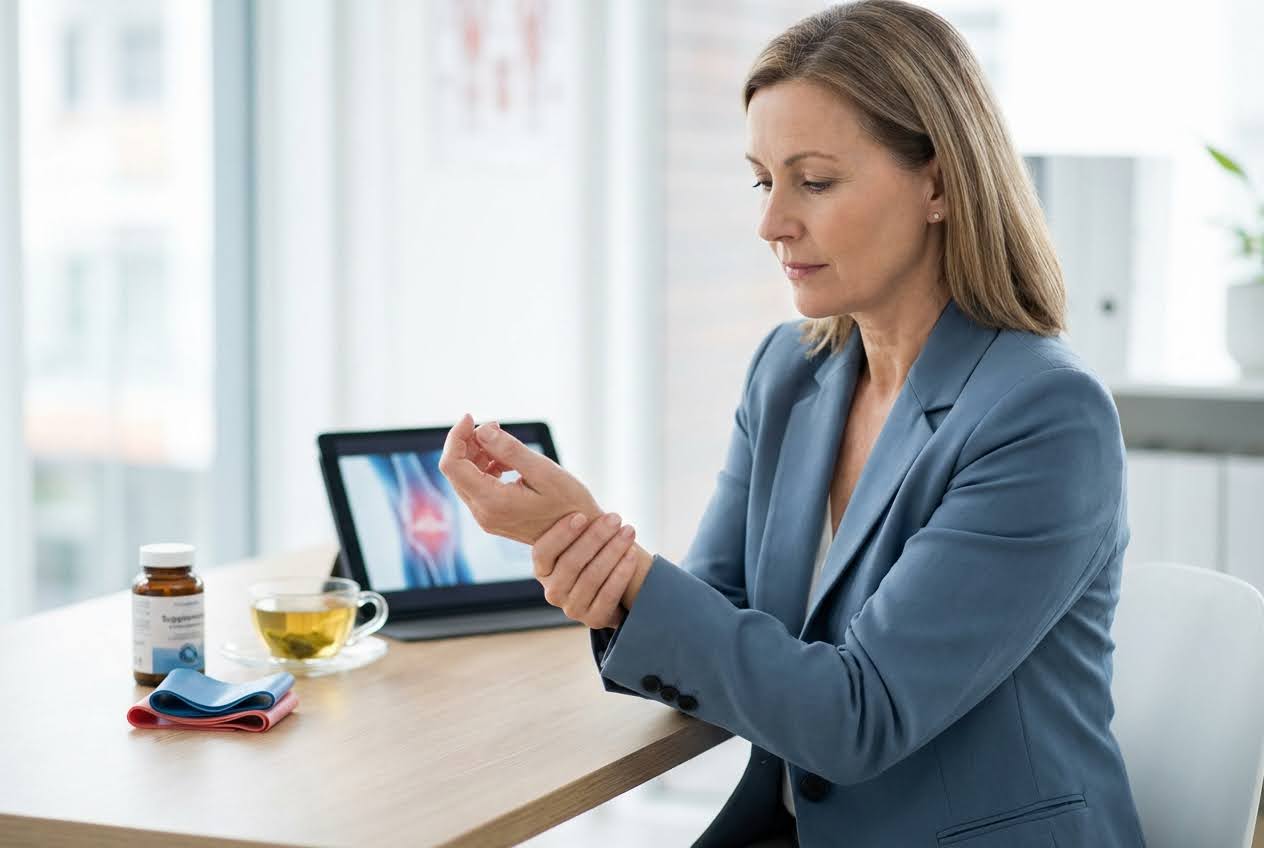 Medical Treatments and Therapeutic Options
HRT addresses the root cause of hormone-related joint pain by restoring estrogen levels. Many women report significant improvement in joint symptoms within weeks of starting therapy. HRT comes in various forms: pills, patches, gels, and creams. The decision to use HRT involves weighing benefits against potential risks based on your personal health history. This conversation requires a thorough discussion with a healthcare provider who understands your complete medical picture. Transdermal estrogen combined with micronized progesterone remains the preferred approach for many women seeking symptom relief with a favorable safety profile.
Several supplements show promise for joint health during perimenopause. Glucosamine supports cartilage repair and may reduce pain over time. Omega-3 fatty acids from fish oil have proven anti-inflammatory effects. Magnesium helps relax muscles and may reduce stiffness. Vitamin D supports bone health and immune function. Always discuss supplements with a healthcare provider, as they can interact with medications. Current evidence suggests that combining lifestyle changes with supplementation yields the best outcomes for joint comfort.
NSAIDs like ibuprofen provide temporary relief for acute flare-ups. Topical creams containing menthol or capsaicin offer localized pain relief without systemic side effects. Physical therapy teaches targeted exercises and stretches that strengthen supporting muscles and improve joint mechanics. A skilled physical therapist can identify movement patterns that worsen pain and teach corrections that provide lasting relief.
Experts point out that the lack of awareness about the connection between menopause and joint pain remains a significant issue, leaving many women unaware that their symptoms may be hormonally driven. Many women undergo testing for conditions like Lyme disease and lupus before anyone considers menopause as the cause. Hormone-related joint pain typically affects multiple joints symmetrically and improves with movement. Osteoarthritis tends to worsen with activity and often affects joints asymmetrically. Getting the right diagnosis prevents unnecessary treatments and delays.
Certain symptoms demand prompt medical attention. Visible swelling, warmth, or redness around a joint suggests inflammation that goes beyond hormonal changes. Pain that doesn't improve with rest or worsens significantly over weeks needs evaluation. A fever accompanied by joint pain could indicate infection. Joint pain following an injury requires assessment for structural damage. Doctronic helps women evaluate their symptoms quickly and determine whether they need immediate medical attention or can try conservative measures first.
For most women, hormone-related joint pain tends to improve or stabilize after menopause as hormone levels even out and inflammation decreases. Lifestyle changes and appropriate treatments can provide significant relief during the transition period.
The right exercise actually helps. High-impact activities might aggravate symptoms, but low-impact movement reduces stiffness and strengthens supporting muscles. Start gently and gradually increase intensity.
Most women notice improvement within several weeks, but achieving full benefits can take up to three months, depending on dosage and delivery method.
Processed foods, sugar, alcohol, and refined carbohydrates can increase inflammation and worsen joint symptoms. Keeping a food diary helps identify personal triggers.
Start with your gynecologist or primary care provider, who can assess whether symptoms align with hormonal changes. If symptoms don't respond to treatment or suggest another condition, referral to a rheumatologist may be appropriate.
Perimenopause joint pain affects millions of women and stems from declining estrogen levels that increase inflammation and reduce cartilage health. Relief comes through a combination of anti-inflammatory nutrition, appropriate exercise, quality sleep, and medical treatments when needed. For personalized guidance on managing your symptoms, visit Doctronic for free AI doctor consultations or affordable video visits with real physicians available 24/7.
Meta Description: Learn about the 7 common and serious side effects of Airsupra and how to manage risks like oral thrush or heart issues through proper inhaler [...]
Read MoreMeta Description: Learn about 8 budesonide interactions and what to avoid when you’re taking budesonide, including grapefruit and common drugs, to ensure your treatment is [...]
Read MoreMeta Description: Learn about these 7 Xolair interactions and what to avoid when you’re taking Xolair to safely manage your asthma, chronic hives, or nasal polyp [...]
Read More