

7 Common and Serious Side Effects of Airsupra
Meta Description: Learn about the 7 common and serious side effects of Airsupra and how to manage risks like oral thrush or heart issues through proper inhaler [...]
Read MoreUp to 50% of women experience itchy skin during perimenopause, making it one of the most common symptoms
Declining estrogen levels reduce skin hydration and collagen production, triggering itching and sensitivity
Simple changes to shower routines, fabrics, and skincare ingredients can provide significant relief
Ceramides, hyaluronic acid, and natural oils help restore the skin barrier and retain moisture
Hormone replacement therapy may offer relief when lifestyle changes aren't enough, though it should only be used under medical supervision due to potential risks and contraindications
doctronic.tech provides 24/7 access to doctors who can help determine the best treatment approach
That sudden urge to scratch your arms at 2 AM isn't imagined. Almost half of women attending menopause clinics report skin problems. Perimenopause itching affects millions of women, yet many don't connect the dots between their hormones and their skin. The connection is direct: as estrogen drops, skin loses its ability to stay hydrated and healthy. Understanding this link is the first step toward finding relief that actually works.
Estrogen does far more than regulate menstrual cycles. This hormone plays a critical role in maintaining skin moisture by supporting the production of natural oils and helping skin retain water. When estrogen levels decline during perimenopause, the skin's oil glands produce less sebum. The result is drier, thinner skin that becomes easily irritated. Up to about 50% of women in perimenopause and menopause experience itchy skin. This isn't a minor inconvenience: it's a predictable response to hormonal changes.
Formication, the medical term for the crawling sensation many women describe, tends to concentrate in specific areas. The scalp, face, arms, and legs are most frequently affected. Some women report intense itching on their backs or chests. The vulva and vaginal area can also become irritated due to thinning tissues. These patterns make sense because these areas have high concentrations of estrogen receptors that respond to hormonal shifts.
Collagen provides skin with structure and resilience. Estrogen stimulates collagen production, so declining hormone levels mean less collagen. Women can lose up to approximately 30% of their skin collagen in the first five years after menopause begins. This loss makes skin thinner and more vulnerable to irritation. Nerve endings sit closer to the surface, making every fabric rub and temperature change feel more intense.
Before reaching for medications, simple daily changes can dramatically reduce perimenopause itching. These adjustments address the root causes of skin irritation and work for most women within days.
Hot showers feel wonderful, but strip essential oils from already-dry skin. Switch to lukewarm water and limit showers to ten minutes. Use gentle, fragrance-free cleansers rather than harsh soaps. Pat skin dry instead of rubbing, and apply moisturizer within three minutes of stepping out while skin is still slightly damp. This locks in moisture more effectively than waiting until skin is completely dry.
Synthetic fabrics trap heat and irritate sensitive skin. Cotton and bamboo allow skin to breathe and reduce friction. Wool, even soft varieties, can trigger itching in perimenopausal women. Switch to fragrance-free, hypoallergenic laundry detergents and skip fabric softeners entirely. These products leave residue on clothing that transfers to skin and causes irritation.
Drinking adequate water helps skin stay hydrated from the inside out. Aim for around 6–8 glasses daily, adjusting based on individual needs, activity level, and climate. Foods rich in omega-3 fatty acids, found in salmon, walnuts, and flaxseed, support skin health. Reducing alcohol and caffeine intake also helps, as both substances dehydrate the body and can worsen itching symptoms.
The right skincare products can rebuild the skin barrier and provide lasting relief. Knowing which ingredients work best makes shopping easier.
Ceramides are lipids naturally found in skin that help maintain the protective barrier. Products containing ceramides help repair this barrier when it's compromised. Hyaluronic acid holds up to about 1,000 times its weight in water, making it excellent for drawing moisture into dry skin. Look for moisturizers that combine both ingredients for maximum hydration. Apply these products twice daily, morning and night, for best results.
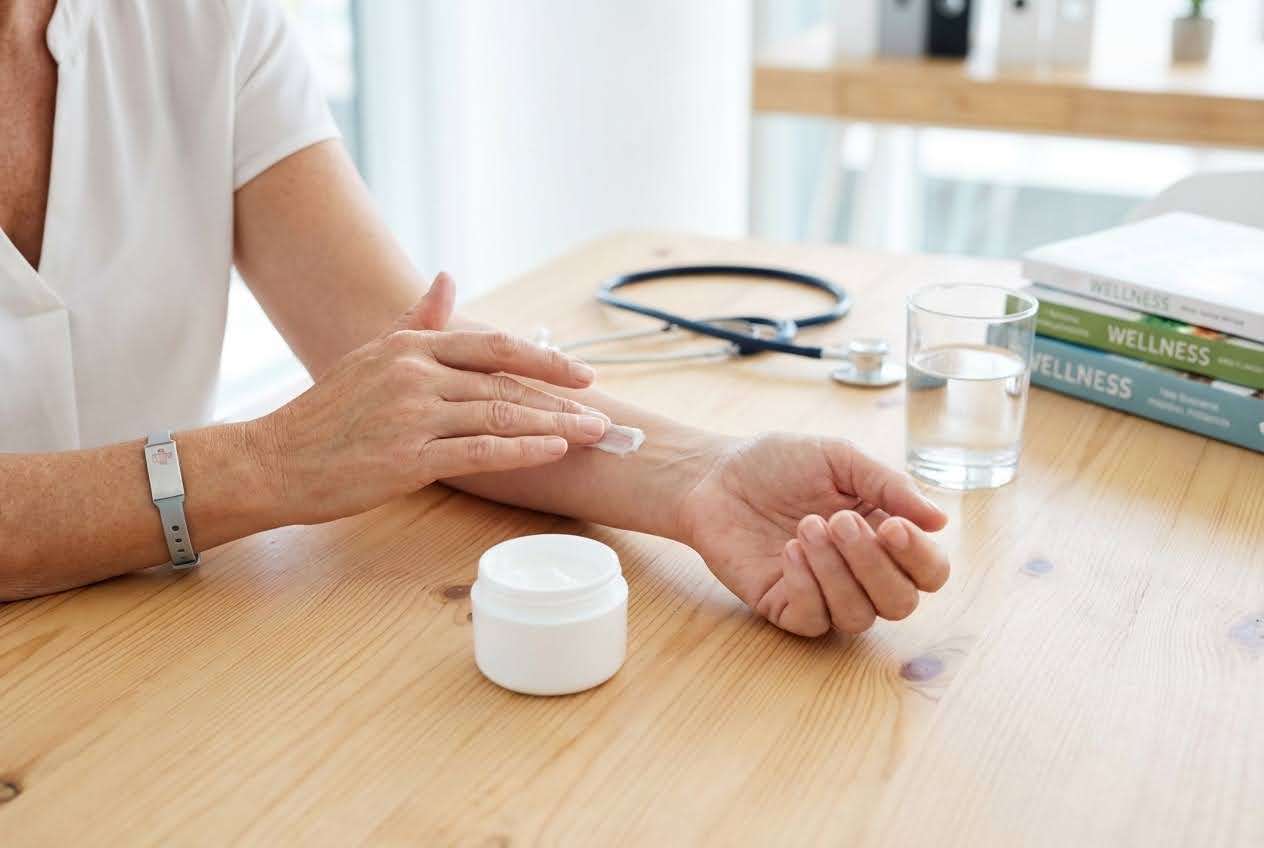
When itching becomes intense, over-the-counter options provide temporary relief. Hydrocortisone cream (1%) reduces inflammation and calms irritated skin. Use it sparingly and for no more than two weeks at a time. Pramoxine-containing lotions numb the itch sensation without steroids. Colloidal oatmeal products soothe and protect irritated skin naturally.
Coconut oil, jojoba oil, and evening primrose oil all help restore moisture to dry skin. Apply these after bathing while the skin is still damp. Aloe vera gel cools and soothes irritated areas. Chamomile and calendula extracts have anti-inflammatory properties that calm reactive skin. Avoid essential oils applied directly to skin, as they can cause additional irritation.
 Medical Interventions and Hormone Therapy
When lifestyle changes and topical treatments aren't enough, medical options exist. Consulting with a healthcare provider helps determine the best approach.
HRT addresses the root cause of perimenopause itching by supplementing declining estrogen levels. Many women notice significant improvement in skin hydration and reduced itching within weeks of starting treatment. HRT comes in various forms, including pills, patches, gels, and creams. Localized estrogen therapy targets specific areas like the vulva without affecting the whole body. doctronic.tech offers convenient telehealth consultations to discuss whether HRT might be appropriate. Clinical guidance emphasizes individualized risk assessment before starting HRT, particularly for women with cardiovascular or breast cancer risk factors.
For severe itching that doesn't respond to over-the-counter treatments, doctors may prescribe stronger topical steroids. These medications reduce inflammation quickly but require careful monitoring. Prescription antihistamines can also help, especially when itching disrupts sleep. Some women benefit from low-dose antidepressants that have anti-itch properties as a side effect.
Itching often worsens at night when there are fewer distractions. The body's natural cortisol levels drop in the evening, which can intensify itching sensations. Keep the bedroom cool, ideally between 60-67 degrees Fahrenheit. Use cotton sheets and lightweight blankets. Apply a thick layer of moisturizer before bed. Keep fingernails short to minimize skin damage from unconscious scratching. A humidifier adds moisture to dry bedroom air, helping skin stay hydrated overnight.
Not all itching during perimenopause stems from hormonal changes. Persistent itching that doesn't improve with basic treatments warrants professional evaluation. See a dermatologist if itching is accompanied by rash, hives, or skin discoloration. Itching that disrupts daily activities or sleep for more than two weeks needs attention. Sudden onset of severe itching could indicate other conditions that require diagnosis. doctronic.tech connects women with healthcare providers who can evaluate symptoms and recommend appropriate next steps.
Itching can persist throughout the perimenopausal transition, which averages roughly four to ten years. Many women find symptoms improve after menopause is complete, though some continue experiencing dry, itchy skin without proper treatment.
Stress triggers cortisol release, which can worsen skin inflammation and itching. Stress management techniques like deep breathing, meditation, and regular exercise often help reduce itching intensity.
The sensations can feel similar, but hormonal itching typically lacks the hives, swelling, or rash that accompany allergies. If antihistamines don't help and itching is widespread, hormonal causes are more likely.
Spicy foods, alcohol, and caffeine can trigger hot flashes and worsen itching for some women. Keeping a food diary helps identify personal triggers worth avoiding.
Perimenopause itching affects up to half of women and stems directly from declining estrogen levels. Relief comes from combining proper skincare with lifestyle adjustments and, when needed, medical treatments like hormone therapy. For personalized guidance on managing symptoms, visit doctronic.tech for affordable telehealth consultations available 24/7.
Meta Description: Learn about the 7 common and serious side effects of Airsupra and how to manage risks like oral thrush or heart issues through proper inhaler [...]
Read MoreMeta Description: Learn about 8 budesonide interactions and what to avoid when you’re taking budesonide, including grapefruit and common drugs, to ensure your treatment is [...]
Read MoreMeta Description: Learn about these 7 Xolair interactions and what to avoid when you’re taking Xolair to safely manage your asthma, chronic hives, or nasal polyp [...]
Read More