

7 Common and Serious Side Effects of Airsupra
Meta Description: Learn about the 7 common and serious side effects of Airsupra and how to manage risks like oral thrush or heart issues through proper inhaler [...]
Read MoreDeclining estrogen during perimenopause directly affects blood vessel flexibility, contributing to elevated blood pressure readings
Approximately 30–40% of perimenopausal women experience elevated blood pressure or hypertension, and those affected may have a higher risk of menopausal symptoms
Blood pressure changes often go unnoticed because symptoms overlap with common menopausal complaints like hot flashes and sleep problems
Lifestyle changes, including specific exercises, dietary adjustments, and stress management, can significantly impact cardiovascular health during this transition
Regular monitoring through telehealth services like doctronic.tech helps women track changes and catch problems early
Many women are caught off guard when their blood pressure begins to rise in their 40s. The connection between perimenopause and high blood pressure is well-documented, yet rarely discussed until problems arise. Recent global data suggest that between 25% and 40% of women develop elevated blood pressure during the perimenopausal transition, and those with elevated pressure face significantly worse menopausal symptoms compared to women with normal readings.
This isn't a coincidence. Hormonal shifts within the body produce measurable changes in cardiovascular function. Understanding these changes empowers women to take action before minor elevations become serious health concerns.
Estrogen does far more than regulate menstrual cycles. Estradiol allows blood vessels to relax and widen, naturally keeping blood pressure in check. When estrogen levels drop during perimenopause, blood vessels lose this protective effect.
Think of estrogen as a natural relaxant for arteries. Without adequate levels, vessels become stiffer and less responsive. Blood has to push harder through narrower passages, and pressure readings climb as a result.
Arteries should stretch and recoil with each heartbeat. Declining estrogen accelerates the loss of this elasticity, a process that typically occurs gradually with age. Research indicates that arterial stiffness increases more rapidly during late perimenopause and early postmenopause, rather than years earlier as previously thought.
The inner lining of blood vessels, called the endothelium, depends on estrogen to produce nitric oxide, a compound that keeps vessels supple. Less estrogen means less nitric oxide, and stiffer arteries follow.
The body's blood pressure regulation system responds to hormonal chaos. The renin-angiotensin system controls fluid balance and vessel constriction. Estrogen normally keeps this system in check, but wildly fluctuating hormone levels during perimenopause can trigger inappropriate activation.
This explains why blood pressure might spike unpredictably during this transition. One week, the readings are normal; the next week, they're elevated. The hormonal rollercoaster directly affects these regulatory mechanisms.
Perimenopause often brings unwanted pounds, particularly around the midsection. This visceral fat isn't just cosmetically frustrating; it actively contributes to insulin resistance and inflammation, both of which raise blood pressure.
Metabolic changes mean the body processes food differently than it did at 30. The same eating habits that maintained a healthy weight for decades suddenly led to gradual gain. Each additional pound increases cardiovascular strain.
Poor sleep and elevated blood pressure go hand in hand. Night sweats interrupt sleep cycles, preventing the deep rest needed for cardiovascular recovery. During quality sleep, blood pressure naturally dips; without it, the body stays in a state of elevated stress.
Women averaging less than seven hours of sleep per night tend to show higher blood pressure readings compared to those with longer sleep durations. Night sweats can wake someone multiple times nightly, making restorative sleep nearly impossible.
Perimenopause often coincides with peak life stress: aging parents, teenage children, career demands. Cortisol, the stress hormone, directly raises blood pressure by constricting blood vessels and increasing heart rate.
Chronic stress keeps cortisol elevated around the clock. The body never gets the "all clear" signal to relax, and blood pressure stays higher than it should.
Here's the tricky part: high blood pressure symptoms mimic common perimenopausal complaints. Headaches, fatigue, and feeling flushed could indicate elevated pressure or simply be hot flashes and hormonal fluctuations.
Most women assume these symptoms are "just menopause" and never check their blood pressure. This assumption can be dangerous. Regular monitoring through doctronic.tech helps distinguish between normal transition symptoms and cardiovascular warning signs.
Family history matters significantly. Women whose mothers or sisters developed hypertension during menopause face a higher risk themselves. Previous pregnancy complications like preeclampsia or gestational diabetes also increase vulnerability.
Personal health history provides important clues. Prior blood pressure elevations, even temporary ones, suggest the cardiovascular system may be more sensitive to hormonal changes.
The DASH diet consistently outperforms other eating plans in managing blood pressure. This approach emphasizes fruits, vegetables, whole grains, and lean proteins while limiting saturated fats and processed foods.
Specific foods offer particular benefits: leafy greens, berries, beets, and fatty fish all support healthy blood pressure. Small dietary changes compound over time into significant cardiovascular improvements.
Exercise recommendations have evolved. Incorporating isometric exercises into a daily routine may help manage blood pressure during and after menopause. Wall sits, planks, and hand-grip exercises show surprising effectiveness.
Combining resistance training with moderate aerobic activity provides the best results. Current guidelines recommend at least 150–300 minutes of moderate-intensity aerobic activity per week, plus two or more strength-training sessions.
Sodium sensitivity increases during perimenopause. Women who never had problems with salt may suddenly see blood pressure spikes after salty meals. Keeping sodium under 2,000mg daily, ideally closer to 1,500mg, makes a measurable difference.
Potassium helps counteract sodium's effects. Bananas, potatoes, spinach, and beans all provide potassium while supporting overall cardiovascular health.
Hormone replacement therapy's relationship with blood pressure is complicated. Some women see improvements; others experience elevations. The type, dose, and delivery method all influence outcomes.
Transdermal estrogen and micronized progesterone generally have minimal impact on blood pressure compared to older oral formulations. Any woman considering HRT should discuss cardiovascular implications with her healthcare provider and monitor readings closely after starting treatment.
When lifestyle changes aren't enough, medication becomes necessary. ACE inhibitors and calcium channel blockers work well for many perimenopausal women. The choice depends on individual health profiles and other symptoms.
Starting medication doesn't mean taking it forever. Some women successfully reduce or discontinue blood pressure medications after hormones stabilize post-menopause.
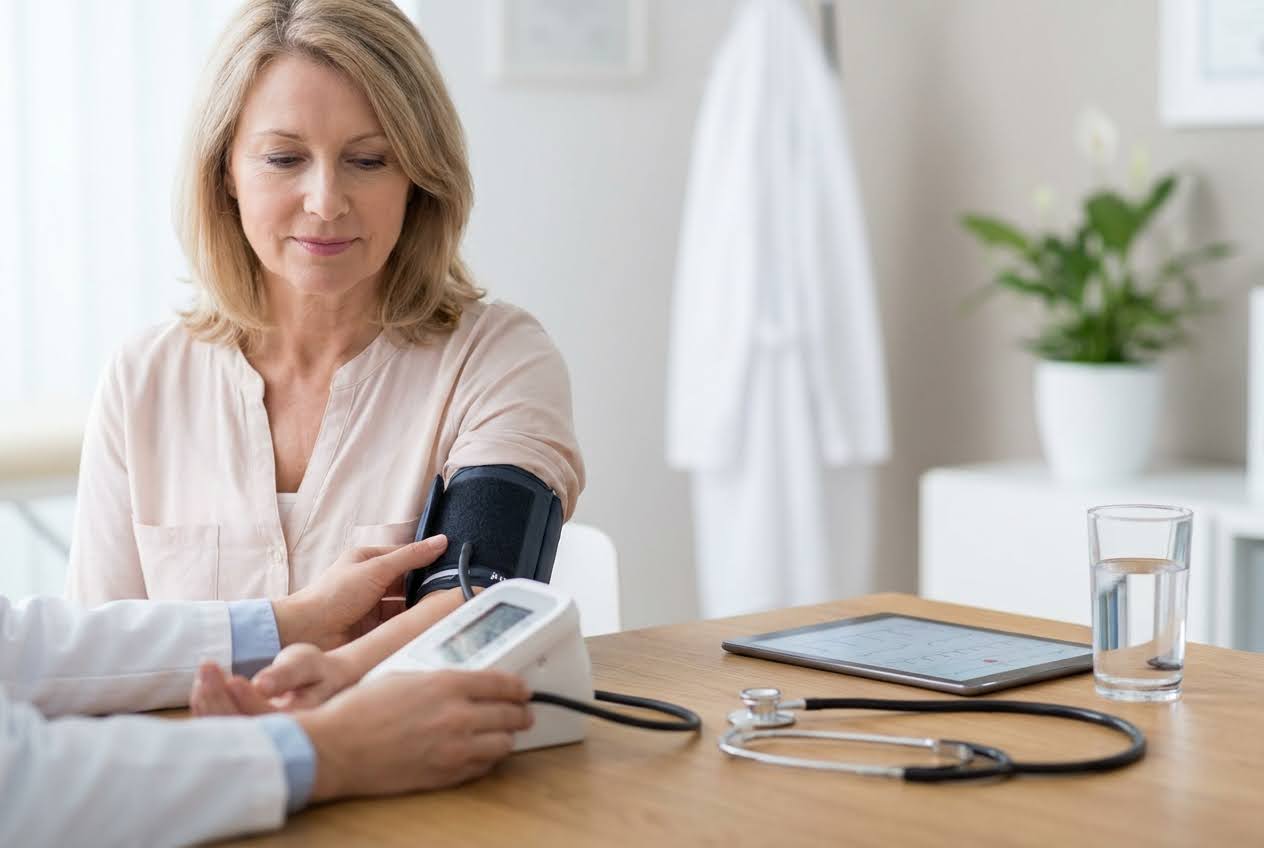
Regular monitoring catches problems before they become serious. Home blood pressure monitors provide valuable data between doctor visits. Tracking readings over time reveals patterns that single measurements miss.
doctronic.tech offers convenient access to medical guidance for women navigating perimenopause and blood pressure concerns. The AI-powered system remembers your health history and provides personalized recommendations based on your specific situation.
Yes. Fluctuating hormone levels can trigger unpredictable blood pressure changes. Readings might be normal one day and elevated the next, particularly during times of hormonal flux.
Women should increase monitoring frequency starting around age 40, or earlier if they have a family history of hypertension or previous pregnancy complications.
For some women, yes. Once hormones stabilize at consistently lower levels, blood pressure may become more predictable. Others require ongoing management.
Losing even 5-10 pounds can significantly improve readings. For some women, weight loss combined with dietary changes eliminates the need for medication.
Weekly home monitoring provides useful baseline data. More frequent checks (daily or twice daily) help during medication adjustments or when trying new lifestyle interventions.
Perimenopause and high blood pressure share a direct biological connection through declining estrogen and its effects on blood vessels. Women can protect their cardiovascular health through regular monitoring, lifestyle modifications, and appropriate medical care when needed.
Meta Description: Learn about the 7 common and serious side effects of Airsupra and how to manage risks like oral thrush or heart issues through proper inhaler [...]
Read MoreMeta Description: Learn about 8 budesonide interactions and what to avoid when you’re taking budesonide, including grapefruit and common drugs, to ensure your treatment is [...]
Read MoreMeta Description: Learn about these 7 Xolair interactions and what to avoid when you’re taking Xolair to safely manage your asthma, chronic hives, or nasal polyp [...]
Read More