

Ozempic and Sleep Apnea: Can It Help Improve Symptoms?
Understanding Sleep Apnea and Its ChallengesSleep apnea is a common disorder where breathing repeatedly stops and starts during sleep. The most frequent form, obstructive [...]
Read More
Medically reviewed by Alan Lucks | MD, Alan Lucks MDPC Private Practice - New York on January 19th, 2026.
Ozempic is primarily a medication for type 2 diabetes and weight management, but its effects may influence sleep apnea symptoms.
Weight loss achieved through Ozempic can reduce obstructive sleep apnea severity in many patients.
Understanding how Ozempic works and its potential benefits for sleep apnea requires medical guidance.
Telehealth services like doctronic.tech offer convenient access to expert advice on managing sleep apnea and medication options.
Sleep apnea treatment is multifaceted, and Ozempic may be a helpful part of a broader care plan.
Sleep apnea is a common disorder where breathing repeatedly stops and starts during sleep. The most frequent form, obstructive sleep apnea (OSA), happens when throat muscles intermittently relax and block the airway. This leads to poor sleep quality, daytime fatigue, and increased risk of heart disease, high blood pressure, and diabetes.
Weight is a major factor in OSA. Excess fat around the neck can narrow the airway, increasing the likelihood of breathing interruptions. For many, losing weight can significantly reduce the severity of sleep apnea symptoms. This is where medications that support weight loss, like Ozempic, come into consideration.
In addition to weight, other factors can contribute to the severity of sleep apnea. Age plays a significant role, as the risk of developing OSA increases with advancing years. Men are more likely to suffer from sleep apnea than women, although the risk for women rises after menopause. Certain anatomical features, such as a thick neck, a narrow airway, or enlarged tonsils, can predispose individuals to this condition. Lifestyle choices, including smoking and alcohol consumption, can also exacerbate the symptoms, leading to a vicious cycle of poor sleep and health complications.
Diagnosis of sleep apnea typically involves a sleep study, which can be conducted in a sleep lab or at home with portable monitoring devices. These studies measure various parameters, including airflow, blood oxygen levels, and heart rate, providing crucial insights into the severity of the condition. Treatment options vary widely, ranging from lifestyle changes and continuous positive airway pressure (CPAP) therapy to surgical interventions in more severe cases. Understanding the multifaceted nature of sleep apnea is essential for effective management and improving overall health outcomes.
Ozempic, the brand name for semaglutide, is a medication originally designed to treat type 2 diabetes. It belongs to a class of drugs called GLP-1 receptor agonists. These drugs work by mimicking a hormone that helps regulate blood sugar levels, slows stomach emptying, and reduces appetite.
Because Ozempic lowers appetite and promotes satiety, many patients experience weight loss while using it. This effect has made Ozempic popular not only for diabetes management but also for addressing obesity, which is a key contributor to sleep apnea.
Research shows that even moderate weight loss can improve or sometimes resolve obstructive sleep apnea. By reducing fat deposits around the airway, breathing becomes easier during sleep. Patients who lose weight often notice less snoring, fewer breathing interruptions, and better overall sleep quality.
Ozempic’s ability to help patients lose weight offers a promising avenue for those struggling with sleep apnea, especially if traditional weight loss methods have been difficult.
While Ozempic can support weight loss, it is not approved as a treatment for sleep apnea itself. The medication does not directly affect the airway or breathing patterns during sleep. Instead, any improvement in sleep apnea symptoms is likely a secondary benefit from losing weight.
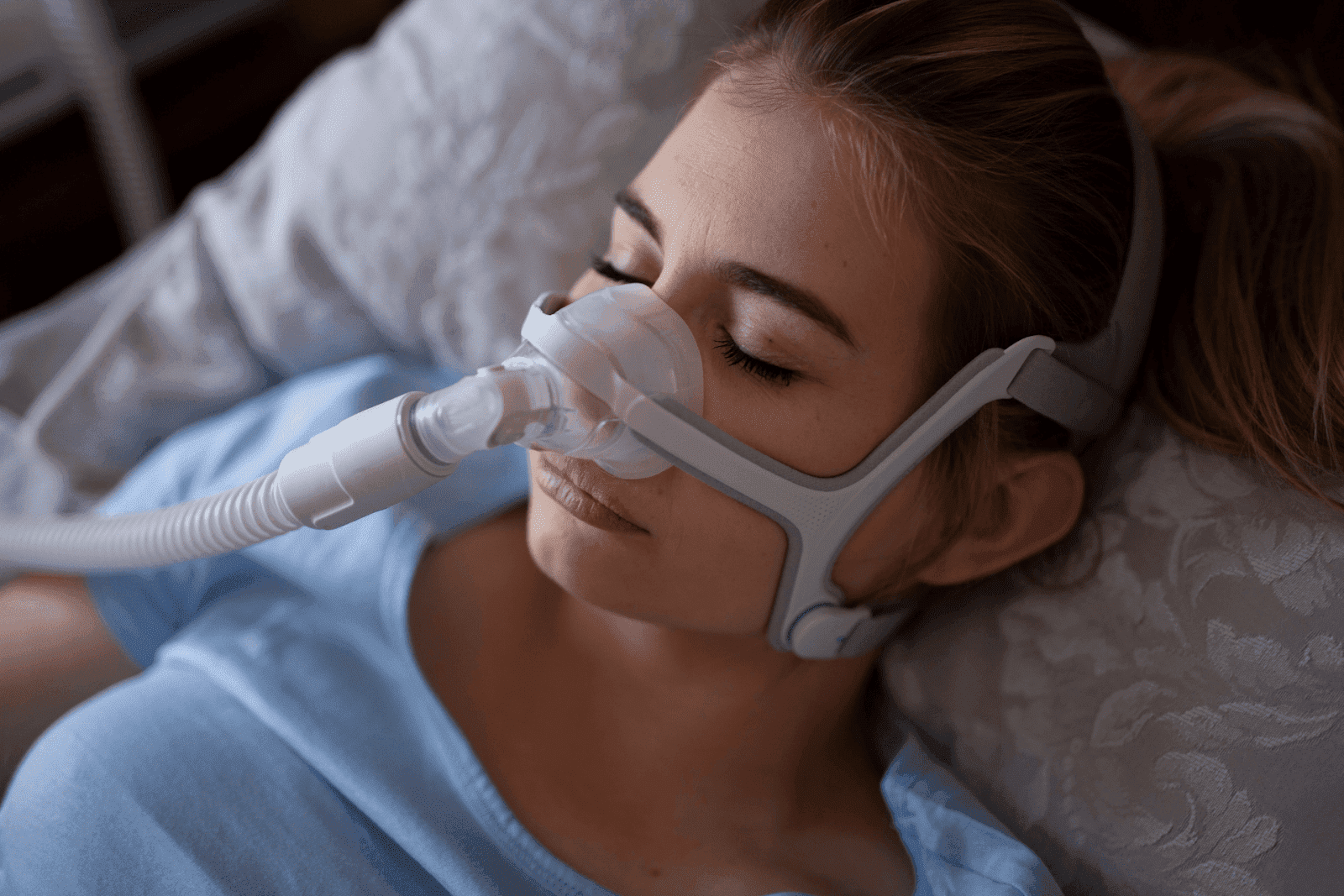
Patients should not rely solely on Ozempic to manage sleep apnea. Standard treatments such as continuous positive airway pressure (CPAP) therapy, oral appliances, or lifestyle changes remain essential components of care.
Because sleep apnea varies widely in severity and cause, a personalized treatment plan is crucial. If you are considering Ozempic for weight loss and hope it might improve your sleep apnea, discussing this with a healthcare professional is important. They can evaluate your condition, monitor progress, and adjust treatments as needed.
Telehealth platforms like doctronic.tech provide easy access to doctors who can help guide you through these decisions without the hassle of in-person visits.
 How to Approach Sleep Apnea Treatment with Ozempic
Ozempic can be an effective tool for weight loss, but it works best when combined with healthy lifestyle habits. These include:
Balanced diet focused on whole foods and portion control
Regular physical activity tailored to your abilities
Good sleep hygiene practices to improve rest quality
Avoiding alcohol and sedatives that worsen airway relaxation
Weight loss from Ozempic may take several weeks or months, so patience and consistent follow-up with your healthcare provider are essential.
Keep track of changes in your sleep quality and daytime alertness as you start any new treatment. If symptoms persist or worsen, further evaluation may be necessary. Sleep studies or consultations with a sleep specialist can provide more detailed insight.
Managing sleep apnea and medications like Ozempic often requires regular medical input. Telehealth services such as doctronic.tech offer 24/7 access to licensed doctors across all 50 states, making it easier to get timely advice and prescriptions without leaving home.
Patients can discuss symptoms, medication effects, and treatment options through secure video visits, saving time and reducing stress.
Doctronic’s AI-driven platform synthesizes the latest medical research to provide accurate, up-to-date information tailored to each patient’s needs. This technology helps doctors deliver personalized recommendations that take into account your unique health profile.
Whether you want to explore Ozempic as part of your weight management or need help managing sleep apnea symptoms, doctronic.tech can be a valuable resource.
Like any medication, Ozempic comes with potential side effects. Common ones include nausea, vomiting, diarrhea, and constipation. These often improve over time, but should be discussed with your doctor.
People with certain medical conditions or a history of pancreatitis should be cautious. Always disclose your full medical history before starting Ozempic.
While Ozempic may help reduce sleep apnea symptoms by promoting weight loss, it does not replace other therapies. Devices like CPAP remain the gold standard for many patients. Ignoring prescribed treatments in favor of weight loss alone can lead to serious health risks.
If you suspect you have sleep apnea or want to explore how Ozempic might fit into your weight loss and health plan, reaching out to a healthcare provider is the best first step. Telehealth services such as doctronic.tech make it easy to get expert advice quickly and conveniently.
With the right guidance, you can create a balanced approach that addresses both your sleep apnea and overall health goals.
No, Ozempic cannot cure sleep apnea. It may help improve symptoms indirectly by supporting weight loss, which can reduce airway obstruction during sleep.
Any improvement in sleep apnea symptoms from Ozempic-related weight loss typically takes weeks to months, depending on individual response and adherence to treatment.
Ozempic is not suitable for everyone. It is primarily for type 2 diabetes and weight management under medical supervision. People with certain health conditions should avoid it. Always consult a healthcare provider before starting.
Common treatments include CPAP therapy, oral appliances, lifestyle changes, surgical intervention and weight management. The best approach depends on the severity and type of sleep apnea.
Yes, doctronic.tech offers telehealth visits with licensed doctors who can advise on sleep apnea management and medication options like Ozempic.
Ozempic may help improve sleep apnea symptoms indirectly by supporting weight loss, but it is not a standalone treatment. Effective care still requires proper diagnosis and therapies like CPAP. Telehealth platforms such as doctronic.tech make it easier to get personalized guidance and ongoing support.
Understanding Sleep Apnea and Its ChallengesSleep apnea is a common disorder where breathing repeatedly stops and starts during sleep. The most frequent form, obstructive [...]
Read More