

7 Common and Serious Side Effects of Airsupra
Meta Description: Learn about the 7 common and serious side effects of Airsupra and how to manage risks like oral thrush or heart issues through proper inhaler [...]
Read More
Medically reviewed by Alan Lucks | MD, Alan Lucks MDPC Private Practice - New York on August 30th, 2023.
Bilateral removal triggers immediate surgical menopause regardless of age, causing hot flashes in 75% of women within days and increasing fracture risk by 40% due to estrogen loss.
Laparoscopic approach requires only 3-4 small incisions with 2-week recovery, while open surgery involves a 4-6 inch abdominal incision and 6-week healing time.
Women with BRCA1 mutations have up to 44% lifetime ovarian cancer risk, making prophylactic removal by age 35-40 a common recommendation after completing childbearing.
Hormone replacement therapy can begin immediately post-surgery to manage menopausal symptoms, but may be contraindicated in hormone-sensitive cancer cases.
Egg or embryo freezing must occur before bilateral surgery since the procedure permanently eliminates natural fertility—success rates are highest before age 35.
An oophorectomy, also known as ovary removal surgery, is a surgical procedure to remove one or both of a woman's ovaries. This surgery may be recommended for various reasons, including benign tumors, BRCA gene mutations, cysts, ectopic pregnancy, endometriosis, ovarian cancer, pelvic inflammatory disease (PID), ovarian torsion, and chronic pelvic pain.
There are several types of oophorectomies, depending on the medical condition being treated:
Unilateral oophorectomy: Removal of one ovary
Bilateral oophorectomy: Removal of both ovaries
Salpingo-oophorectomy: Removal of an ovary and fallopian tube
Bilateral salpingo-oophorectomy: Removal of both ovaries and both fallopian tubes
Hysterectomy with salpingo-oophorectomy: Removal of the uterus and one or both ovaries and fallopian tubes
The surgery can be performed using various methods, including an open procedure, laparoscopic surgery, vaginal approach, laparotomy, or robotic-assisted ovary removal. The choice of method depends on the patient's specific situation and the surgeon's recommendation.
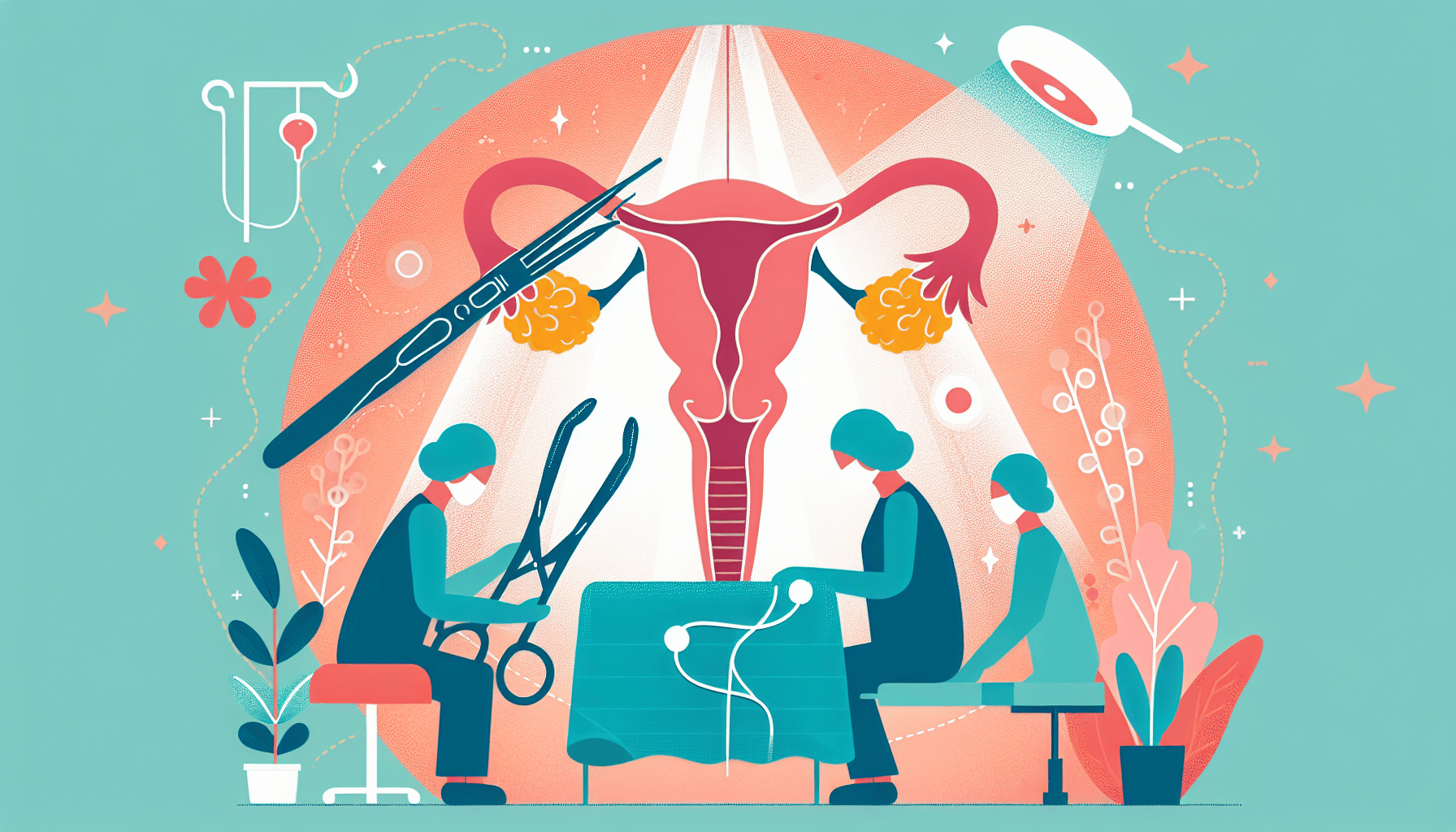
The length of hospital stay and recovery time varies depending on the surgical method used. Open procedures typically require several days in the hospital, while laparoscopic or robot-assisted operations may allow for same-day release or a one-day stay. Most women can return to normal activities within 6 weeks of surgery, with laparoscopic and robot-assisted surgeries often resulting in quicker recoveries of about 2 weeks.
During recovery, it is essential to:
Keep the incision area clean and sterile
Eat a healthy diet
Avoid driving and heavy lifting
Limit exercise (walking is okay)
Take prescribed pain medication as directed
Rest and take it easy at work, home, and school
Be sure to watch for signs that may require medical attention, such as bleeding, nausea, fever, difficulty urinating, severe pain, swelling or redness around the incision, or unusual vaginal discharge.
Although oophorectomy is generally safe, there are some risks associated with the surgery, including:
Bleeding
Damage to nearby organs (rare)
Infection
Hernia
Tumor rupture (in cases of ovarian cancer)
Retention of ovary cells
Loss of fertility (if both ovaries are removed)
Your doctor will discuss these risks with you before the surgery and recommend the procedure if the benefits outweigh the risks in your case.
If both ovaries are removed, it can cause menopause symptoms such as hot flashes, vaginal dryness, increased risk of osteoporosis, anxiety or depression, heart disease, memory problems, and lowered sex drive. Your doctor may recommend low-dose hormone therapy or other medications and lifestyle changes to help manage these symptoms.
Fertility may be affected depending on the extent of the surgery. If only one ovary is removed, the remaining ovary will likely continue to produce estrogen, allowing for menstrual cycles and the ability to become pregnant. However, if both ovaries are removed, fertility treatments such as in vitro fertilization (IVF) may be necessary to achieve pregnancy. In some cases, eggs can be harvested from the ovaries before surgery and frozen for future use.
It is essential to discuss your concerns about fertility and menopause with your doctor before undergoing an oophorectomy. They can help you understand your options and develop a plan to address any potential issues.
For more information on oophorectomy and related topics, please visit:
This surgery ranges from life-saving cancer prevention to effective treatment for chronic conditions, but bilateral removal creates permanent hormonal and fertility changes requiring careful pre-surgical planning. The key is timing hormone therapy decisions and fertility preservation based on your specific medical situation and cancer risk. If you're weighing surgical options for persistent pelvic symptoms or have high-risk genetic factors, Doctronic can help you understand your treatment timeline and next steps.
Meta Description: Learn about the 7 common and serious side effects of Airsupra and how to manage risks like oral thrush or heart issues through proper inhaler [...]
Read MoreMeta Description: Learn about 8 budesonide interactions and what to avoid when you’re taking budesonide, including grapefruit and common drugs, to ensure your treatment is [...]
Read MoreMeta Description: Learn about these 7 Xolair interactions and what to avoid when you’re taking Xolair to safely manage your asthma, chronic hives, or nasal polyp [...]
Read More