

7 Common and Serious Side Effects of Airsupra
Meta Description: Learn about the 7 common and serious side effects of Airsupra and how to manage risks like oral thrush or heart issues through proper inhaler [...]
Read MoreNormal blood pressure remains below 120/80 mmHg, but postmenopausal women often see systolic readings rise by 4–6 points on average
Approximately 40 to 60% of women develop hypertension by age 60, largely due to declining estrogen levels and age-related vascular changes
Estrogen loss reduces arterial elasticity and nitric oxide production, directly contributing to higher blood pressure
Hot flashes and hypertension symptoms can overlap, making regular monitoring essential
Lifestyle changes like the DASH diet, stress management, and regular exercise can significantly lower blood pressure
Doctronic offers convenient 24/7 telehealth consultations to help women track and manage their cardiovascular health during menopause
Menopause brings a cascade of changes that extend far beyond hot flashes and mood shifts. One of the most overlooked yet dangerous shifts involves cardiovascular health. Research shows that roughly half of women experience elevated blood pressure by their early 60s, with the menopausal transition being a contributing factor. Understanding what constitutes normal blood pressure during this life stage can mean the difference between prevention and crisis.
The numbers matter. Studies demonstrate that systolic blood pressure levels were significantly higher in postmenopausal females (124 mmHg) compared to premenopausal females (116 mmHg). That 8-point jump might seem small, but it represents a significant shift in cardiovascular risk. Women who track these changes early and take action have far better outcomes than those who discover elevated readings years later.
The medical community defines normal blood pressure as readings below 120/80 mmHg. The top number (systolic) measures pressure when the heart beats, while the bottom number (diastolic) measures pressure between beats. Readings between 120-129 systolic with a diastolic under 80 indicate elevated pressure. Anything at or above 130/80 qualifies as hypertension.
For menopausal women, these thresholds remain the same, but achieving them becomes harder. The goal should be maintaining readings as close to 120/80 as possible, with regular monitoring to catch upward trends early.
The cardiovascular system undergoes real structural changes during menopause. Blood vessels become stiffer and less responsive. The heart works harder to pump blood through arteries that no longer expand and contract as easily. These changes happen gradually, often without symptoms.
Menopause is a major cardiovascular transition, and cholesterol and blood pressure often rise during this period. This is a critical window to reassess heart risk and intervene early.
Estrogen acts as a natural protector of blood vessel walls. It keeps arteries flexible and responsive, allowing them to expand when blood flow increases. When estrogen levels drop during menopause, arteries lose this protective effect. They become rigid, forcing the heart to generate more pressure to move blood through the system.
This isn't a minor change. The loss of arterial elasticity directly contributes to the systolic blood pressure increases seen in postmenopausal women.
Estrogen stimulates the production of nitric oxide, a molecule that signals blood vessels to relax and dilate. Lower estrogen means less nitric oxide, which means blood vessels stay constricted more often. This creates a chronic state of increased resistance that the heart must overcome with every beat.
The result is a steady upward creep in blood pressure that many women don't notice until readings reach dangerous levels. Doctronic recommends regular home monitoring to catch these gradual increases before they become problematic.
Menopause triggers a shift in where the body stores fat. Even women who maintain the same weight often notice more accumulation around the abdomen. This visceral fat is metabolically active and contributes to insulin resistance, inflammation, and higher blood pressure.
The metabolic slowdown that accompanies menopause makes weight management harder, creating a cycle that further elevates cardiovascular risk.
Hot flashes cause flushing, sweating, and a racing heart. Hypertension can cause headaches, facial flushing, and dizziness. The overlap makes it easy to dismiss warning signs as "just menopause." This is a dangerous assumption.
The key difference: hot flashes come and go in episodes lasting minutes. Hypertension symptoms tend to be more persistent or occur with physical exertion. When in doubt, check blood pressure with a home monitor during symptoms.
Most women with high blood pressure feel completely normal. The condition earns its nickname "the silent killer" because it damages blood vessels, heart, kidneys, and brain without obvious warning signs. Regular monitoring is the only reliable way to detect elevated readings.
Women going through menopause should check their blood pressure at least weekly at home and discuss readings with their healthcare provider.
The DASH diet (Dietary Approaches to Stop Hypertension) consistently lowers blood pressure in clinical trials. It emphasizes fruits, vegetables, whole grains, lean proteins, and low-fat dairy while limiting sodium to 1,500–2,300 mg daily, depending on individual health needs.
Practical steps include:
Reading labels and choosing low-sodium options
Cooking at home instead of eating processed foods
Using herbs and spices instead of salt for flavor
Increasing potassium intake through bananas, sweet potatoes, and leafy greens
Chronic stress keeps cortisol elevated, which raises blood pressure over time. Menopause itself can be stressful, creating a feedback loop that worsens cardiovascular health.
Effective stress reduction varies by person. Some women benefit from meditation or yoga. Others find relief through regular walks, hobbies, or social connections. The specific method matters less than consistent practice.
Exercise directly lowers blood pressure by improving heart efficiency and blood vessel function. The American Heart Association recommends at least 150 minutes of moderate-intensity aerobic activity or 75 minutes of vigorous-intensity aerobic activity per week, plus two strength-training sessions.
Walking, swimming, cycling, and dancing all count. Strength training preserves muscle mass that naturally declines during menopause, supporting metabolism and weight management.
Hormone replacement therapy's relationship with blood pressure is complex. Some women see improvements because estrogen restores vascular function. Others experience slight increases, particularly with oral formulations. Transdermal and low-dose regimens are generally associated with minimal impact on blood pressure.
The decision to use HRT should consider individual cardiovascular risk factors, symptom severity, and personal medical history. This requires detailed discussion with a healthcare provider.
When lifestyle changes aren't enough, medications can effectively control blood pressure. Common options include:
ACE inhibitors and ARBs, which relax blood vessels
Calcium channel blockers, which reduce vessel constriction
Thiazide diuretics, which reduce fluid volume
Beta-blockers, which slow the heart rate
Many women need combination therapy to reach target readings. Finding the right regimen often requires adjustment over several months.
Consistent monitoring catches problems early. Women should invest in a validated home blood pressure monitor and use it regularly. Keep a log of readings to share with healthcare providers. Note any symptoms, stress levels, or dietary changes that might affect readings.
Annual checkups should include lipid panels, blood glucose testing, and cardiovascular risk assessment. Menopause is the time to establish baseline measurements and create a proactive monitoring plan.
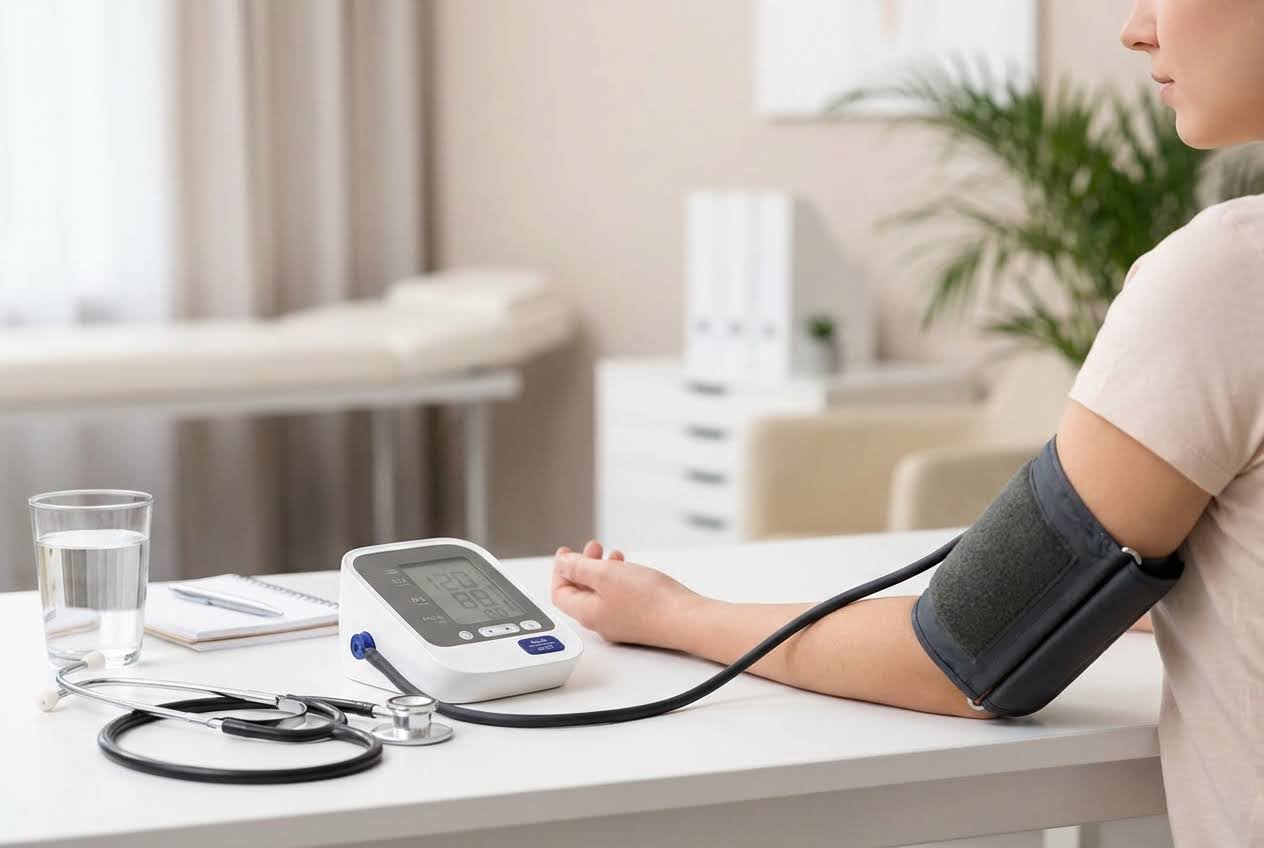
Any reading at or above 180/120 mmHg requires immediate medical attention. Readings consistently above 130/80 mmHg indicate hypertension and need treatment.
Without intervention, blood pressure typically stays elevated or continues rising. Active management through lifestyle changes and medication can bring readings back to healthy ranges.
Weekly home monitoring is ideal. Women with elevated readings or on medication should check more frequently, following their doctor's guidance.
Yes. Losing even 5-10 pounds can reduce blood pressure significantly. Weight loss also improves cholesterol, blood sugar, and overall cardiovascular health.
Some supplements show modest effects, including magnesium, omega-3 fatty acids, and CoQ10. They're not substitutes for lifestyle changes or medication but may provide additional support.
Blood pressure changes during menopause are common but not inevitable. Women who monitor their blood pressure, adopt heart-healthy habits, and work with healthcare providers can maintain normal blood pressure during this transition. For convenient access to medical guidance, Doctronic offers 24/7 telehealth visits in all 50 states, making it easier than ever to stay on top of cardiovascular health during menopause.
Meta Description: Learn about the 7 common and serious side effects of Airsupra and how to manage risks like oral thrush or heart issues through proper inhaler [...]
Read MoreMeta Description: Learn about 8 budesonide interactions and what to avoid when you’re taking budesonide, including grapefruit and common drugs, to ensure your treatment is [...]
Read MoreMeta Description: Learn about these 7 Xolair interactions and what to avoid when you’re taking Xolair to safely manage your asthma, chronic hives, or nasal polyp [...]
Read More