

7 Common and Serious Side Effects of Airsupra
Meta Description: Learn about the 7 common and serious side effects of Airsupra and how to manage risks like oral thrush or heart issues through proper inhaler [...]
Read MoreBlack cohosh, red clover, and maca root offer evidence-based support for common menopause symptoms like hot flashes and low energy
Soy isoflavones taken daily in doses of around 40–80 mg have been shown in multiple studies to reduce hot flashes by approximately 25–35% in perimenopausal women, according to recent research
Lifestyle changes, including yoga, cooling techniques, and weight-bearing exercise, provide significant relief without medication
Essential oils like clary sage and lavender can complement other natural approaches for hormone regulation and sleep support
Always consult a healthcare professional before starting any supplement regimen, as natural does not always mean safe for everyone
Menopause affects every woman differently, but the desire for symptom relief is nearly universal. Growing awareness and demand for support reflect how many women are actively searching for effective ways to manage hot flashes, mood changes, and sleep disruption. Many are exploring natural remedies for menopause relief as alternatives or complements to traditional hormone replacement therapy, seeking options that align with their personal health goals and preferences.
The transition typically begins in a woman's mid-40s when estrogen and progesterone levels start fluctuating unpredictably. Hot flashes, night sweats, mood swings, sleep disturbances, and vaginal dryness top the list of complaints. Weight gain, brain fog, and decreased libido follow closely behind. These symptoms can last anywhere from a few months to over a decade.
Natural approaches address multiple symptoms simultaneously rather than targeting just one issue. They often carry fewer side effects than pharmaceutical options and give women greater control over their health journey. doctronic.tech helps women understand their symptoms and explore appropriate treatment paths through AI-powered consultations available around the clock. This accessibility matters when symptoms strike at 3 AM.
Herbal remedies have supported women through menopause for centuries across cultures. Modern research now validates many traditional practices while helping identify which supplements actually work.
Black cohosh remains the most studied herb for menopause symptoms in Western medicine. Native American women used this plant long before clinical trials existed. Research shows it may reduce hot flash frequency and intensity, though results vary between individuals. The standard dose ranges from 20 to 40 milligrams of standardized extract daily.
Red clover contains isoflavones, plant compounds that mimic estrogen's effects in the body. These phytoestrogens bind to estrogen receptors and may ease symptoms caused by declining hormone levels. Women typically take 40 to 160 milligrams daily, though patience is required, as benefits often take 8 to 12 weeks to appear.
Menopause amplifies stress responses as hormones fluctuate. Ashwagandha, an adaptogenic herb from Ayurvedic medicine, helps the body manage stress more effectively. It supports adrenal function and may improve sleep quality, mood stability, and overall energy levels. Standard dosing falls between 300 and 600 milligrams of root extract daily.
Maca root from Peru has gained popularity for addressing fatigue and decreased sexual desire during menopause. Unlike phytoestrogens, maca works through different mechanisms that researchers are still studying. Many women report improved energy, better mood, and enhanced libido within six to eight weeks of consistent use.
Food choices profoundly impact how women experience menopause. Strategic dietary changes can reduce symptom severity without any supplements at all.
A clinical review showed that 40mg of soy isoflavones daily reduced hot flashes by around 30–35% in perimenopausal women and 25–30% in postmenopausal women. Tofu, tempeh, edamame, and soy milk provide these beneficial compounds naturally. Flaxseeds offer similar phytoestrogenic benefits along with omega-3 fatty acids that support heart and brain health.
Declining estrogen accelerates bone loss, making calcium and vitamin D crucial during menopause. Women over 50 need 1,200 milligrams of calcium and 800 to 1,000 IU of vitamin D daily. Dairy products, leafy greens, fortified foods, and sensible sun exposure help meet these needs.
Caffeine, alcohol, spicy foods, and sugar can trigger hot flashes and worsen sleep problems. Keeping a food diary helps identify personal triggers since reactions vary widely between women. Reducing or eliminating these items often provides noticeable relief within weeks.
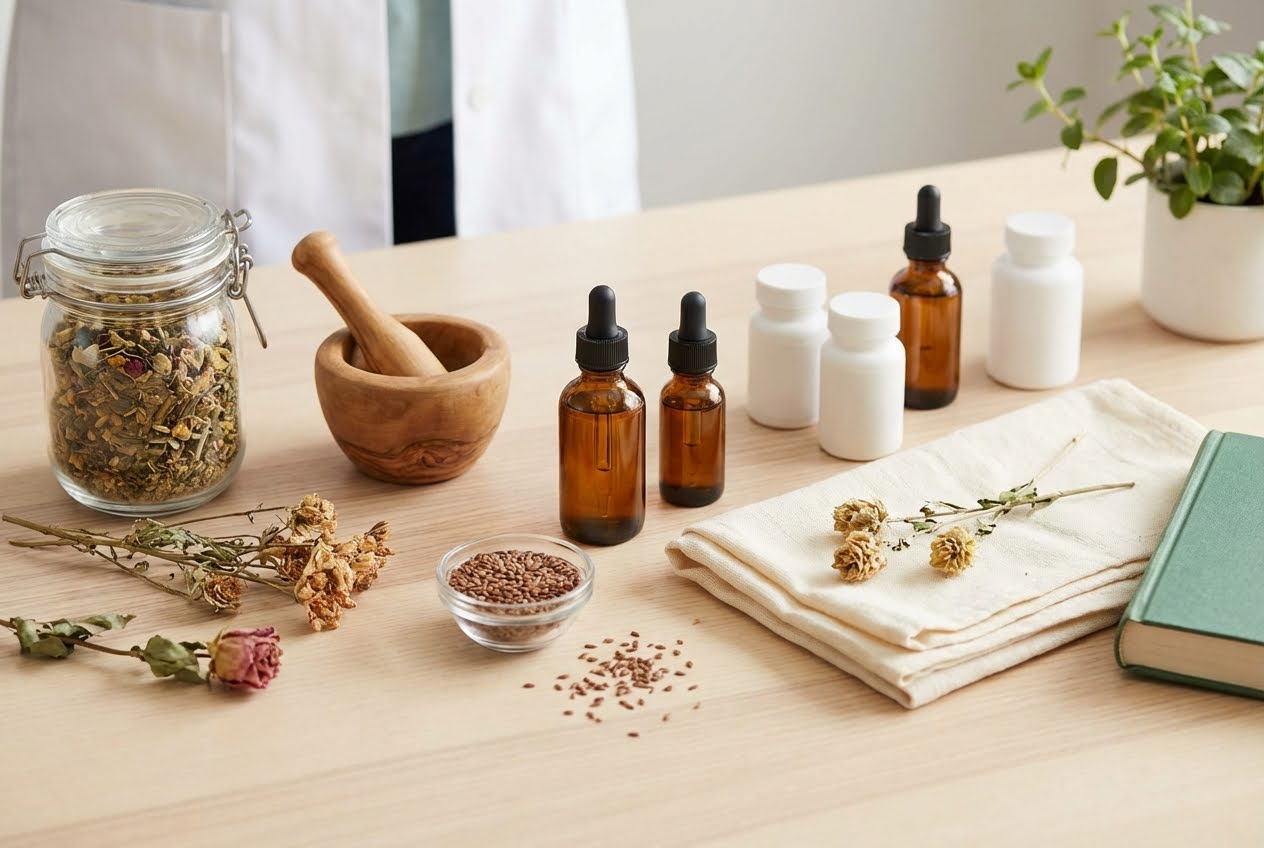 Lifestyle Practices for Physical and Mental Well-being
Movement, mindfulness, and sleep hygiene form the foundation of natural menopause management. These practices cost nothing and produce lasting benefits.
Yoga combines physical movement, breathwork, and meditation, addressing multiple symptoms simultaneously. Regular practice reduces anxiety, improves mood stability, and enhances sleep quality. Even fifteen minutes daily makes a measurable difference. Women can consult doctronic.tech for guidance on safe exercise approaches during this transition.
Night sweats disrupt sleep for millions of menopausal women. Keeping the bedroom cool, using moisture-wicking bedding, and placing a fan nearby help considerably. Cooling pillows and mattress toppers designed for hot sleepers offer additional relief. A cool shower before bed can also lower core body temperature.
Walking, dancing, climbing stairs, and lifting weights protect bone density while managing weight gain. These activities also boost mood by releasing endorphins and improve cardiovascular health. Aim for 150 minutes of moderate activity weekly, spread across most days.
Aromatherapy offers gentle support for menopause symptoms with minimal risk when used properly. These concentrated plant extracts can be diffused, applied topically with carrier oils, or added to baths.
Clary sage has been used traditionally to support hormonal balance and reduce hot flash intensity. Some women find inhaling this oil during a hot flash shortens its duration. It also promotes relaxation and may ease menstrual irregularities during perimenopause.
Lavender's calming properties are well-documented for sleep and anxiety. Diffusing lavender oil in the bedroom or applying diluted oil to pulse points before sleep helps many women fall asleep faster and stay asleep longer. It pairs well with the cooling techniques mentioned earlier.
Natural does not automatically mean safe. There isn't enough evidence to support the use of many over-the-counter remedies for hot flashes. Supplements can interact with medications, and some are contraindicated for women with certain health conditions.
Women should discuss any new supplement with a healthcare provider, especially those with a history of hormone-sensitive cancers. doctronic.tech provides 24/7 access to AI-powered health consultations and affordable telehealth visits with licensed physicians who can review individual health histories and make personalized recommendations.
Most herbal supplements require eight to twelve weeks of consistent use before producing noticeable benefits. Lifestyle changes like dietary adjustments and exercise may show results sooner, sometimes within two to four weeks.
Some natural approaches can complement HRT, but others may interact unpredictably. Always discuss combinations with a healthcare provider before mixing treatments.
This remains a complex question requiring individual medical evaluation. Some research suggests food-based phytoestrogens are safe, while concentrated supplements may not be appropriate. Consult an oncologist before using any phytoestrogenic products.
Soy isoflavones currently have the most consistent evidence base, showing average reductions of about 25–35% in hot flash frequency. Black cohosh also shows modest benefit for many women.
Essential oils provide supportive relief for some women, particularly for sleep and anxiety. They work best as part of a comprehensive approach rather than as standalone treatments.
Natural remedies for menopause relief, including soy isoflavones, black cohosh, targeted nutrition, and lifestyle practices like yoga and cooling techniques, can meaningfully reduce symptoms for many women. Results vary, and safety matters. For personalized guidance, doctronic.tech offers convenient AI-powered consultations to help you choose the safest and most effective approach for your needs.
Meta Description: Learn about the 7 common and serious side effects of Airsupra and how to manage risks like oral thrush or heart issues through proper inhaler [...]
Read MoreMeta Description: Learn about 8 budesonide interactions and what to avoid when you’re taking budesonide, including grapefruit and common drugs, to ensure your treatment is [...]
Read MoreMeta Description: Learn about these 7 Xolair interactions and what to avoid when you’re taking Xolair to safely manage your asthma, chronic hives, or nasal polyp [...]
Read More