

7 Common and Serious Side Effects of Airsupra
Meta Description: Learn about the 7 common and serious side effects of Airsupra and how to manage risks like oral thrush or heart issues through proper inhaler [...]
Read MoreSevere stress increases the risk of chronic low back pain by about 1.8 times compared to the general population
The fight-or-flight response causes muscles to tense and stay contracted, leading to real physical pain
Approximately 28% of American adults report experiencing back pain within three months
Emotions like anxiety, depression, and unresolved anger can directly trigger or worsen back symptoms
A biopsychosocial approach that addresses psychological, social, and biological factors offers the most effective treatment
doctronic.tech provides accessible AI-powered consultations to help identify whether stress may be contributing to back pain
Your back hurts. The MRI looks normal. Your doctor seems puzzled. This scenario plays out in medical offices every day, leaving millions of people frustrated and still in pain. The mind-body connection between stress, emotions, and physical back pain is not imaginary or "all in your head." It is a measurable, biological reality that modern medicine increasingly recognizes. Approximately 28% of American adults have reported experiencing back pain within the past three months. Many of these cases have psychological components that go unaddressed. Understanding how your emotional state affects your spine can unlock treatments that actually work.
The connection between what you feel emotionally and what you experience physically runs deeper than most people realize. Your nervous system does not distinguish between psychological threats and physical ones.
When stress becomes chronic, your body continuously pumps out cortisol. This hormone, useful in short bursts, becomes destructive over time. Elevated cortisol promotes inflammation throughout the body, including the tissues surrounding your spine. Inflamed muscles, ligaments, and nerves create genuine pain signals. Severe stress is associated with a 1.8-fold increase in the risk of chronic low back pain.
Your body prepares for danger by tensing muscles, especially in the neck, shoulders, and lower back. This protective mechanism works well for escaping predators but becomes harmful when activated by work deadlines, financial worries, or relationship problems. Muscles that stay contracted for hours or days develop trigger points, reduced blood flow, and painful spasms.
Prolonged stress can actually rewire your nervous system's processing of pain signals. The spinal cord and brain become hypersensitive, amplifying normal sensations into painful experiences. A touch that should feel neutral registers as painful. This explains why some people with stress-related back pain feel intense discomfort despite no visible injury.
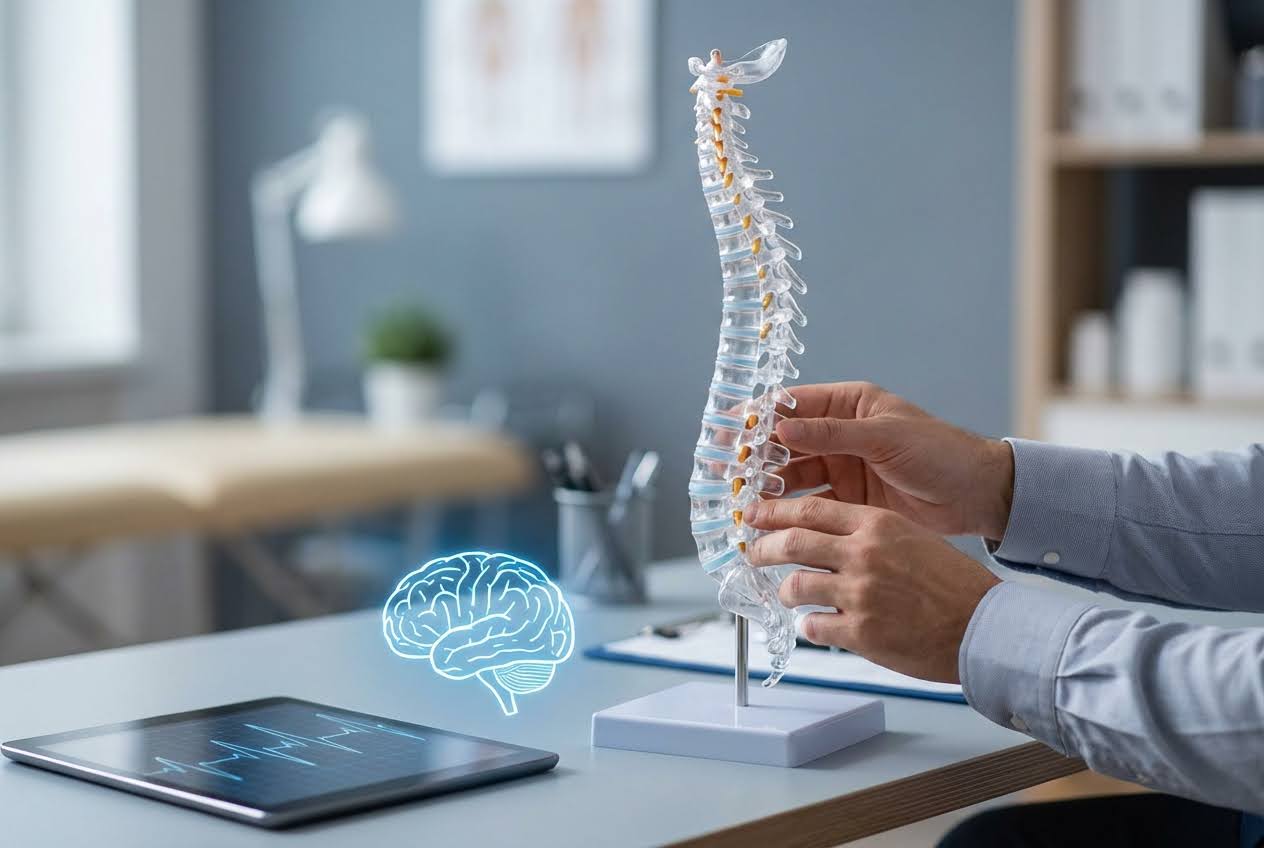 Common Emotional Triggers for Physical Back Distress
Specific emotional states create predictable patterns of physical tension. Recognizing these patterns helps identify the root cause of unexplained back pain.
Anxious people unconsciously brace their muscles as if preparing for impact. This constant low-level tension exhausts back muscles and creates painful knots. The upper back and shoulders bear the brunt of anxiety-related tension, though lower back involvement is common too.
Depression changes how the brain processes pain signals. People with depression experience more intense pain from the same stimuli compared to non-depressed individuals. Depression also reduces motivation for movement and exercise, leading to muscle weakness and stiffness that compound back problems. Avoidant behavior in response to chronic pain may be unhelpful and contribute to pain maintenance.
Suppressed anger creates particularly intense physical tension. The lower back often becomes a storage site for unexpressed frustration. People who struggle to assert themselves or who swallow their anger frequently develop chronic lower back stiffness that defies conventional treatment.
Not all back pain is created equal. Distinguishing between pain with psychological origins and pain from structural damage determines which treatment approach will work.
Repressed emotions manifest as back pain. TMS symptoms include pain that moves around the body, symptoms that appear during stressful periods, and pain that does not match imaging findings. People with TMS often have perfectionist personalities or difficulty expressing emotions. While TMS is not formally recognized as a medical diagnosis by major health authorities like the American Medical Association, its psychosomatic model has inspired broader research into mind-body pain syndromes.
Stress does not only create pain from nothing. It amplifies existing structural problems. A minor disc bulge that might cause occasional discomfort becomes severely painful when combined with chronic stress. The inflammation and muscle tension from stress compound any existing structural issues. doctronic.tech can help users understand whether their symptoms suggest a primarily structural or psychological component.
Treating stress-related back pain requires addressing both the physical symptoms and their emotional roots. A biopsychosocial approach, considering psychological, social, and biological factors, is crucial for treating back pain.
CBT helps people identify thought patterns that amplify pain and stress. By changing catastrophic thinking about pain, patients often experience significant relief. CBT also teaches coping strategies that reduce the fear and avoidance behaviors that perpetuate chronic pain cycles.
MBSR programs combine meditation, body awareness, and gentle movement. Regular practice reduces cortisol levels and teaches the nervous system to calm down. MBSR participants report less pain intensity and improved function compared to standard care.
Trauma gets stored in the body. Somatic experiencing helps people release physical tension patterns connected to past traumatic events. This approach works particularly well for people whose back pain began after accidents, abuse, or other traumatic experiences.
Preventing recurrence matters as much as treating current symptoms. Building resilience involves regular stress management practices, not just crisis intervention. Daily movement, adequate sleep, and strong social connections all protect against stress-related pain. Learning to recognize early warning signs of tension allows intervention before full-blown pain episodes develop. doctronic.tech offers ongoing support for tracking symptoms and understanding patterns over time.
Yes. Stress triggers measurable biological changes, including increased cortisol, chronic inflammation, and sustained muscle tension. These changes create genuine pain signals that the brain interprets as back pain.
Stress-related pain often moves around, worsens during emotional periods, and does not match imaging findings. Structural pain typically stays in one location and correlates with specific movements or positions.
Immediate relief often comes from deep breathing, gentle stretching, and heat application. Long-term relief requires addressing the underlying emotional triggers through therapy, mindfulness, or lifestyle changes.
Yes. A proper evaluation rules out structural problems and confirms the psychological component. This allows for appropriate treatment targeting the actual cause.
It really helps to support psychological interventions for chronic back pain. CBT and MBSR both show significant improvements in pain intensity and function.
Stress and emotions can cause real, measurable physical changes that lead to genuine back pain. Addressing psychological factors alongside physical symptoms offers the most effective path to lasting relief. For personalized guidance on whether stress might be contributing to your back pain, visit doctronic.tech for a free AI doctor consultation that can help you understand your symptoms and explore treatment options.
Meta Description: Learn about the 7 common and serious side effects of Airsupra and how to manage risks like oral thrush or heart issues through proper inhaler [...]
Read MoreMeta Description: Learn about 8 budesonide interactions and what to avoid when you’re taking budesonide, including grapefruit and common drugs, to ensure your treatment is [...]
Read MoreMeta Description: Learn about these 7 Xolair interactions and what to avoid when you’re taking Xolair to safely manage your asthma, chronic hives, or nasal polyp [...]
Read More