

7 Common and Serious Side Effects of Airsupra
Understanding Airsupra Side EffectsAirsupra is a prescription inhaler used as a rescue medication to relieve asthma symptoms in adults aged 18 years and older. It is not [...]
Read MoreVaginal dryness affects approximately half of postmenopausal women, with prevalence ranging from 20% to 50%
Over-the-counter moisturizers and lubricants provide immediate relief without a prescription
Local estrogen therapies deliver targeted treatment with minimal systemic absorption
Non-estrogen prescription options like ospemifene and prasterone offer alternatives for women who cannot use estrogen
Lifestyle changes, including dietary adjustments and avoiding irritants, support long-term vaginal health
doctronic.tech offers 24/7 telehealth consultations to discuss personalized treatment plans
Vaginal dryness during menopause is not something women should simply accept as inevitable. Vaginal dryness affects approximately 20% to 50% of postmenopausal women. Despite how common this condition is, many women suffer in silence, unaware that effective treatments exist. The growing demand for relief highlights how common and disruptive postmenopausal vaginal atrophy can be. Today, women have more options than ever, from over-the-counter moisturizers and lubricants to prescription therapies and in-office procedures. Understanding these choices makes it easier to find effective treatment and restore daily comfort.
Vaginal atrophy, also called genitourinary syndrome of menopause, develops when hormone levels drop during the menopausal transition. This condition goes beyond simple dryness and involves actual changes to vaginal tissue structure and function.
Estrogen keeps vaginal tissue thick, elastic, and well-lubricated. When estrogen production decreases, it can lead to thinning, drying, and inflammation of the vaginal walls. The tissue becomes more fragile and loses its natural moisture. Blood flow to the area also decreases, which further reduces natural lubrication.
Women often experience burning, itching, and irritation alongside dryness. Painful intercourse is extremely common and can lead to avoiding intimacy altogether. Urinary symptoms like frequent infections and urgency often accompany vaginal changes. These symptoms tend to worsen over time without treatment, unlike hot flashes, which usually improve on their own.
Many women find significant relief with products available at any pharmacy. These options work well for mild to moderate symptoms and require no prescription.
Vaginal moisturizers differ from lubricants because they provide continuous hydration. Women apply them every few days, regardless of sexual activity. Products containing hyaluronic acid are particularly effective at drawing moisture into tissues. Brands like Replens and Hyalo GYN adhere to vaginal walls and release moisture over time.
Water-based lubricants work well for most women and are safe with condoms and toys. They may need to be reapplied during longer intimate sessions. Silicone-based lubricants last longer and feel silkier, but should not be used with silicone toys. Women should avoid lubricants containing glycerin, parabens, or fragrances, which can cause irritation.
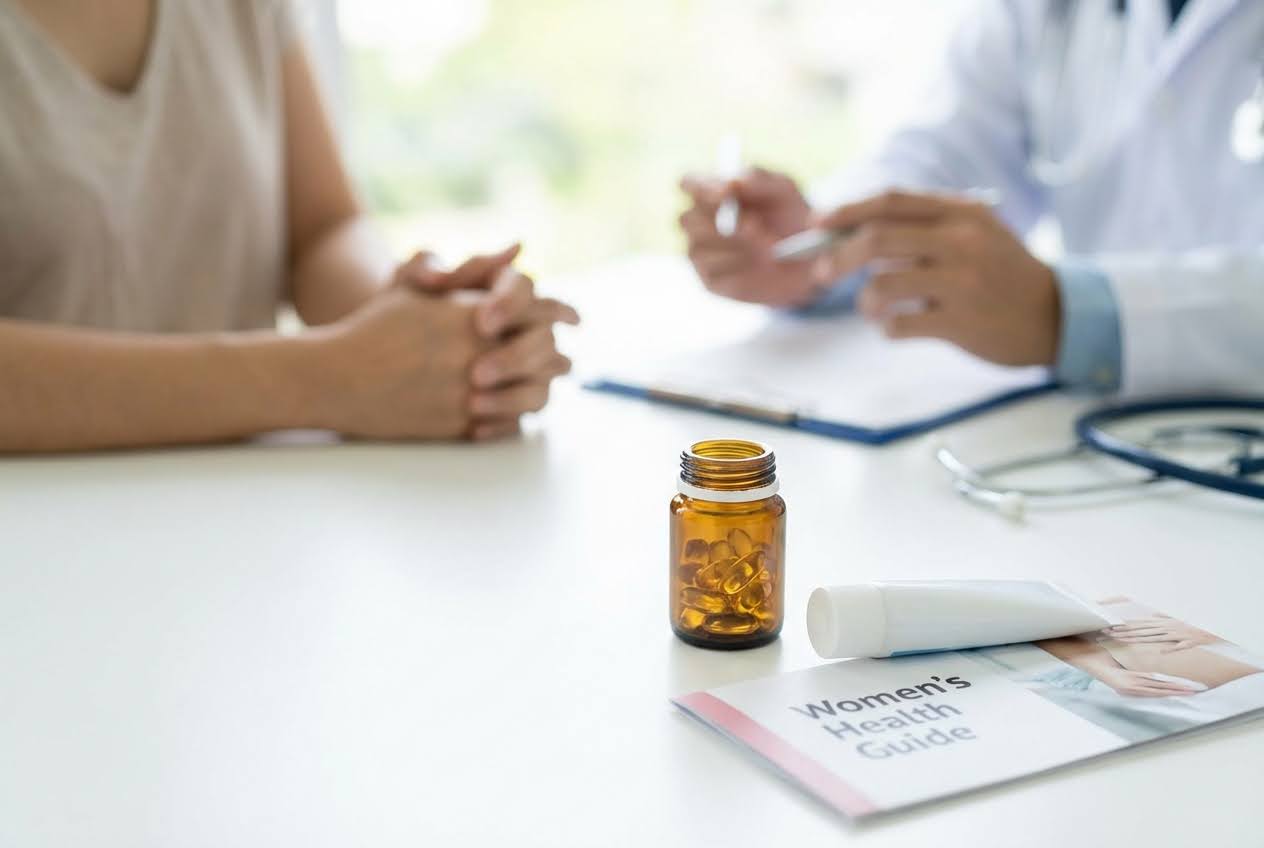 Prescription Local Estrogen Therapies
When over-the-counter products are not enough, local estrogen therapies deliver hormones directly where they are needed. These treatments are highly effective and considered safe for most women.
Estrogen creams like Premarin and Estrace are applied inside the vagina using an applicator. Women typically use them nightly for two weeks, then twice weekly for maintenance. Vaginal tablets like Vagifem dissolve inside the vagina and are less messy than creams. Both options restore vaginal tissue thickness and moisture within weeks.
The Estring is a flexible ring inserted into the vagina that releases low-dose estrogen continuously for 90 days. Women can insert and remove it themselves without medical assistance. The ring stays in place during all activities, including intercourse. This option appeals to women who prefer not to use creams or tablets regularly.
Local estrogen therapies deliver very small amounts of hormone that stay mostly in vaginal tissue. Blood estrogen levels remain low, making these options safer than oral hormone therapy. Women with a history of breast cancer should only use local estrogen after careful evaluation and shared decision-making with their oncologist, as safety can vary by individual and cancer type. doctronic.tech provides convenient consultations to help women understand whether local estrogen is appropriate for their situation.
Some women cannot or prefer not to use estrogen products. Several prescription alternatives address vaginal dryness through different mechanisms.
Ospemifene is a daily oral pill that acts like estrogen in vaginal tissue but not in breast or uterine tissue. The FDA specifically approved it for painful intercourse caused by menopause. Women typically notice improvement within 12 weeks of starting treatment. This option works well for women who want systemic benefits without traditional estrogen.
Prasterone vaginal inserts contain DHEA, a hormone the body converts locally into estrogen and testosterone. Women insert one suppository nightly at bedtime. The medication works entirely within vaginal tissue without significantly raising blood hormone levels. Clinical studies show it improves both dryness and painful intercourse effectively.
Newer treatments use energy-based devices to stimulate vaginal tissue regeneration. These procedures appeal to women seeking alternatives to ongoing medication use.
Fractional CO2 lasers create tiny injuries in vaginal tissue that trigger collagen production and tissue remodeling. The MonaLisa Touch is the most well-known device in this category. Women typically need three treatments spaced six weeks apart. The U.S. FDA has not approved CO2 laser or similar energy-based devices for treating vaginal atrophy, and their safety and efficacy remain under study.
Radiofrequency devices heat vaginal tissue to stimulate collagen and elastin production. The treatment is painless and requires no downtime. ThermiVa and Viveve are popular radiofrequency options. These therapies are considered experimental and should only be performed by qualified medical professionals using FDA-cleared devices for gynecologic use.
Medical treatments work best when combined with supportive lifestyle habits. Simple changes can reduce symptoms and prevent worsening.
Foods containing plant estrogens may provide mild relief of symptoms. Soy products, flaxseeds, and legumes contain the highest phytoestrogen levels. Drinking adequate water supports overall tissue hydration throughout the body. Some women notice improvement within a few weeks of increasing their intake of these foods.
Experts recommend using warm water instead of harsh soaps for intimate cleansing. Douching disrupts the natural vaginal bacterial balance and should be avoided entirely. Scented products, including laundry detergents used on underwear, can worsen irritation. Cotton underwear allows better airflow than synthetic fabrics.
Regular sexual activity, including solo activity, increases blood flow to vaginal tissue. This improved circulation helps maintain tissue health and natural lubrication. Women who remain sexually active often have fewer vaginal atrophy symptoms. Using lubricants during intimacy prevents the micro-injuries that can make symptoms worse.
Over-the-counter moisturizers provide immediate comfort, while prescription estrogen therapies typically show improvement within two to four weeks. Oral medications such as ospemifene may take up to 12 weeks to take full effect.
Some breast cancer survivors may be able to use low-dose local estrogen after consultation with their oncologist, but current guidelines recommend caution and individualized risk assessment. Women should discuss options with their oncologist and can consult doctronic.tech for guidance.
Most insurance plans do not cover laser or radiofrequency treatments for vaginal dryness because they are considered elective. Costs typically range from $1,000 to $3,000 for a full treatment series.
Moisturizers provide ongoing hydration and are used regularly regardless of sexual activity. Lubricants are used during intimacy to reduce friction and discomfort.
Women should seek medical advice when over-the-counter products do not provide adequate relief, when symptoms interfere with daily activities or relationships, or when they experience bleeding or unusual discharge.
Menopause-related vaginal dryness is common but highly treatable. From over-the-counter moisturizers to prescription therapies and in-office options, effective solutions are available. Women don’t have to live with discomfort. For personalized treatment guidance, doctronic.tech offers convenient 24/7 telehealth consultations.
Understanding Airsupra Side EffectsAirsupra is a prescription inhaler used as a rescue medication to relieve asthma symptoms in adults aged 18 years and older. It is not [...]
Read MoreUnderstanding Budesonide Interactions for Safe UsageBudesonide is a corticosteroid medication used to treat conditions like asthma, Crohn's disease, and ulcerative [...]
Read MoreUnderstanding Xolair Interactions for Safe UsageXolair (omalizumab) treats severe allergic asthma, chronic hives, and nasal polyps. When starting this medication, patients [...]
Read More