

7 Common and Serious Side Effects of Airsupra
Meta Description: Learn about the 7 common and serious side effects of Airsupra and how to manage risks like oral thrush or heart issues through proper inhaler [...]
Read MoreBetween 40% and 55% of women in perimenopause and menopause experience itchy skin, with symptoms often worsening at night due to hormonal shifts and body temperature changes
Declining estrogen levels reduce collagen and natural oils, leaving skin dry and prone to irritation during sleep hours
Histamine levels naturally rise in the evening, intensifying itching sensations when trying to rest
Simple changes like cooling bedding, fragrance-free moisturizers, and dietary adjustments can provide significant relief
Persistent or severe itching warrants consultation with a healthcare professional to rule out other conditions
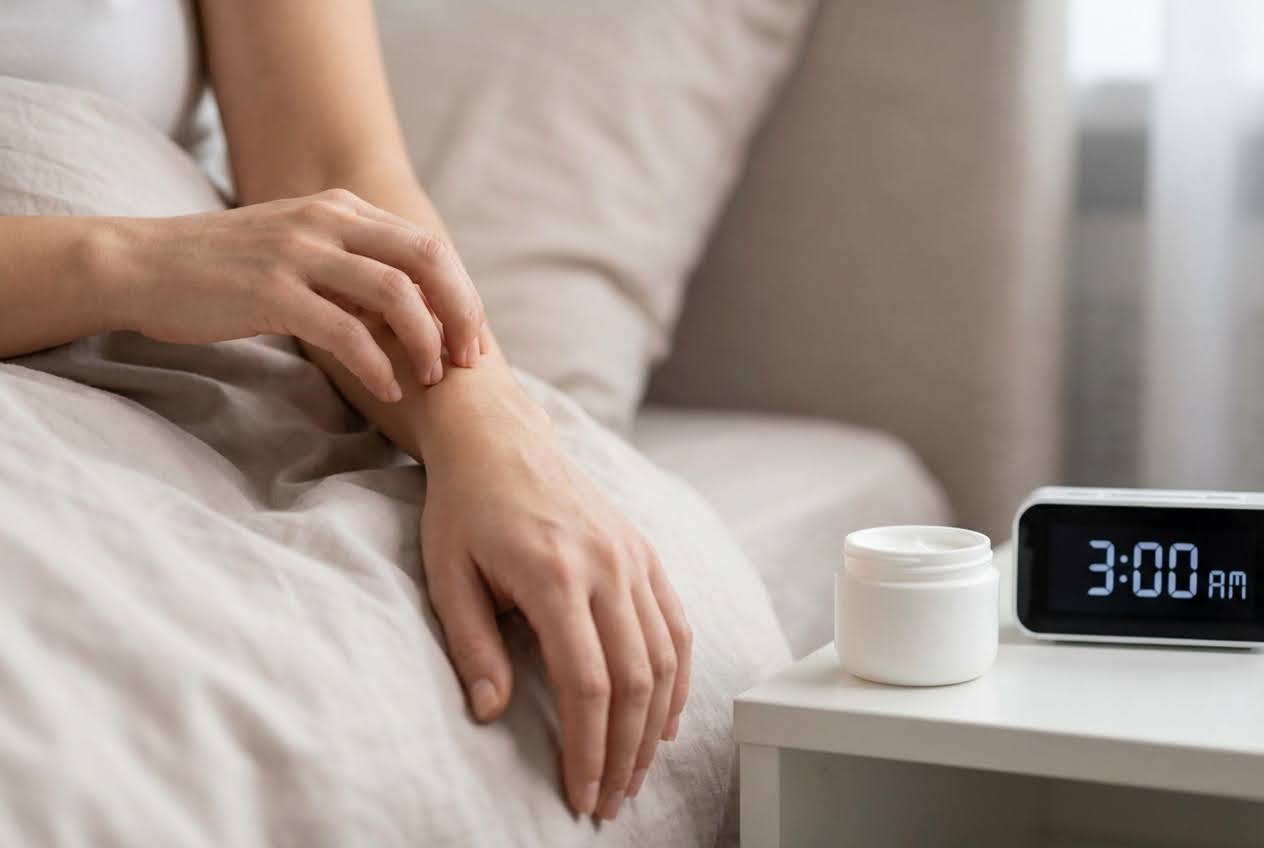
Sleep should be restorative, but for millions of women experiencing menopause, nighttime brings an unwelcome companion: relentless itching. This isn't just mild discomfort. It's the kind of persistent irritation that disrupts sleep cycles and leaves skin feeling raw by morning. Research suggests that roughly half of women in perimenopause or menopause report itchy or dry skin symptoms, yet this symptom rarely gets the attention it deserves. The good news? Understanding why menopause itching at night happens is the first step toward finding real relief. Whether through at-home remedies or medical guidance from doctronic.tech, women can reclaim restful sleep.
Estrogen does far more than regulate reproductive functions. This hormone maintains skin thickness, collagen production, and the secretion of natural oils. When estrogen levels drop during menopause, the skin loses its ability to retain moisture effectively. The result is thinner, drier skin that becomes easily irritated. Without adequate natural oils, the skin barrier weakens, making it more sensitive to environmental factors and internal changes.
Medical professionals call persistent itching "pruritus," and there's a reason it intensifies at night. During the day, the brain is occupied with tasks and stimuli that distract from mild sensations. At night, with fewer distractions, the nervous system amplifies these signals. Core body temperature tends to decrease slightly at night, which can affect nerve sensitivity and blood flow, sometimes triggering itching in already-compromised skin. The combination creates a perfect storm for nighttime discomfort.
Some women describe feeling like insects are crawling beneath their skin. This sensation, called formication, stems from nerve changes during menopause. Fluctuating hormones affect how nerves transmit signals, sometimes creating phantom sensations. This isn't imaginary or psychological. It's a real neurological response to hormonal shifts that many women find deeply unsettling.
Hot flashes don't just cause sweating. They create rapid temperature swings that stress already-sensitive skin. When body temperature spikes and then drops quickly, skin becomes inflamed and reactive. Night sweats compound this problem by leaving moisture on the skin that evaporates and causes further drying. The cycle repeats throughout the night, making consistent sleep nearly impossible.
The body's histamine production follows a daily pattern, peaking in the late evening hours. Histamine triggers itching responses, which explains why allergies and skin conditions often feel worse at bedtime. For menopausal women with already-sensitized skin, this natural histamine spike creates intense nighttime itching that non-sedating antihistamines or topical treatments can sometimes help manage under medical guidance.
Synthetic fabrics, laundry detergents with fragrances, and fabric softeners can all irritate sensitive menopausal skin. Dust mites living in mattresses and pillows release allergens that trigger reactions. Even sheets washed in hot water may retain detergent residue that contacts skin for hours each night. These external factors are often overlooked as contributors to nighttime itching.
Not all moisturizers work equally for menopausal skin. Look for products containing hyaluronic acid, ceramides, or glycerin. These ingredients help rebuild the skin barrier and lock in moisture. Apply moisturizer immediately after bathing while skin is still slightly damp. Avoid products with fragrances, alcohol, or retinoids, which can worsen irritation. Doctronic's AI doctor can help identify specific ingredients to seek or avoid based on individual skin concerns.
Keep bedroom temperature between 60 and 67 degrees Fahrenheit. Use breathable cotton or bamboo sheets and sleepwear. Consider a cooling mattress pad or moisture-wicking pillow covers. A small fan directed at the bed can help regulate temperature throughout the night. These changes reduce sweating and minimize the temperature fluctuations that trigger itching episodes.
Following a healthy diet high in vitamin C and omega-3 fatty acids, and drinking plenty of water to help manage menopausal itchy skin. Foods rich in omega-3s include salmon, walnuts, and flaxseed. Vitamin C supports collagen production, found in citrus fruits, bell peppers, and broccoli. Aim for at least eight glasses of water daily. Limit alcohol and caffeine, which dehydrate skin and can trigger hot flashes.
 Medical Treatments and Hormonal Interventions
HRT addresses the root cause of menopausal skin changes by restoring estrogen levels. Many women see significant improvement in skin hydration and elasticity within weeks of starting treatment. HRT isn't appropriate for everyone, and risks must be weighed against benefits. A thorough discussion with a healthcare provider helps determine if this option makes sense for individual circumstances. According to the North American Menopause Society (NAMS) guidelines, HRT remains the most effective therapy for vasomotor and genitourinary symptoms when prescribed at the lowest effective dose for appropriate candidates.
Hydrocortisone creams provide short-term relief for intense itching but shouldn't be used long-term. Prescription-strength topical steroids may be necessary for severe cases. Some doctors recommend topical estrogen creams for localized areas. Vulvar itching and irritation affected approximately 58% of postmenopausal women, highlighting how common this specific concern is during menopause.
Chronic stress elevates cortisol levels, worsening skin inflammation and itching. Daily stress-reduction practices like deep breathing, gentle yoga, or meditation can lower cortisol levels. Even 10 minutes of focused relaxation before bed helps prepare the body for restful sleep. The connection between stress and skin health is well-documented, making stress management a critical component of itch relief.
Establish a calming pre-sleep routine that begins 30-60 minutes before bed. Avoid screens, which emit blue light that disrupts melatonin production. Take a lukewarm bath with colloidal oatmeal, which soothes irritated skin. Apply moisturizer as the final step. This consistent routine signals the body that sleep is approaching and reduces the anxiety that can amplify itching sensations.
Itching that persists despite home remedies deserves medical attention. Skin that appears red, cracked, or infected needs professional evaluation. Itching accompanied by rashes, hives, or unusual skin changes could indicate conditions unrelated to menopause. Sudden-onset severe itching should prompt immediate consultation. Doctronic offers 24/7 telehealth visits in all 50 states, making it easy to get professional guidance without waiting for appointments.
Yes, it's extremely common. Around half of menopausal women experience itchy skin, and symptoms often worsen at night due to hormonal changes and natural histamine cycles.
Duration varies by individual. Some women experience relief within months, while others deal with symptoms for several years. Treatment can significantly shorten this timeline.
Spicy foods, alcohol, and caffeine can trigger hot flashes and worsen skin irritation. Processed foods high in sugar may also increase inflammation throughout the body.
Either specialist can help. Gynecologists understand hormonal causes, while dermatologists focus on skin treatments. Many women benefit from seeing both or consulting with telehealth services for initial guidance.
Evening primrose oil and flaxseed oil contain fatty acids that may support skin health. Always discuss supplements with a healthcare provider before starting, as some interact with medications.
Menopause itching at night affects many women during this life transition, but it doesn't have to steal sleep indefinitely. Simple changes to skincare routines, bedroom environments, and diet can provide meaningful relief. For persistent symptoms, professional guidance from telehealth services like Doctronic offers convenient, affordable access to medical expertise that can help restore comfortable, restful nights.
Meta Description: Learn about the 7 common and serious side effects of Airsupra and how to manage risks like oral thrush or heart issues through proper inhaler [...]
Read MoreMeta Description: Learn about 8 budesonide interactions and what to avoid when you’re taking budesonide, including grapefruit and common drugs, to ensure your treatment is [...]
Read MoreMeta Description: Learn about these 7 Xolair interactions and what to avoid when you’re taking Xolair to safely manage your asthma, chronic hives, or nasal polyp [...]
Read More