

7 Common and Serious Side Effects of Airsupra
Meta Description: Learn about the 7 common and serious side effects of Airsupra and how to manage risks like oral thrush or heart issues through proper inhaler [...]
Read MoreApproximately 50–60% of perimenopausal and menopausal women experience dry skin due to declining estrogen levels
Women lose roughly about 30% of their skin's collagen within the first five years after menopause begins
Hyaluronic acid, ceramides, and gentle cleansers form the foundation of effective menopausal skincare
Omega-3 fatty acids and proper indoor humidity help combat dryness from the inside out
Consulting a dermatologist or using Doctronic can help determine if medical treatments like HRT or prescription retinoids are appropriate
Dry, uncomfortable skin during menopause affects more women than most realize. Approximately 50–60% of perimenopausal and menopausal women experience this frustrating symptom. The connection between hormonal shifts and skin health runs deep, and understanding the causes of menopausal dry skin is the first step toward effective treatment.
This is not just about vanity. Severely dry skin can crack, itch, and become vulnerable to infection. The good news? Once you understand what is happening beneath the surface, you can take targeted action. Whether through topical treatments, lifestyle changes, or professional medical guidance from Doctronic, relief is possible.
Estrogen does far more than regulate reproductive cycles. This hormone directly influences skin thickness, moisture retention, and elasticity. When estrogen levels drop during perimenopause and menopause, the skin's ability to hold water decreases significantly. The result is skin that feels tight, looks dull, and develops fine lines more rapidly.
Estrogen receptors exist throughout the skin's layers. Without adequate estrogen stimulation, these receptors cannot signal for proper maintenance of hydration. This explains why skin changes often appear suddenly during the menopausal transition.
The numbers are striking. Women lose approximately about 30% of their skin’s collagen within the first five years after menopause begins. Collagen provides the structural support that keeps skin plump and resilient. Without it, the skin barrier weakens, allowing moisture to escape more easily.
A compromised skin barrier cannot protect against environmental irritants effectively. This creates a cycle where dryness leads to barrier damage, which leads to more dryness.
Sebaceous glands produce natural oils that keep skin soft and protected. Estrogen helps regulate these glands. As hormone levels fall, sebum production slows dramatically. Many women who struggled with oily skin in their younger years find themselves dealing with the opposite problem during menopause.
This reduction in natural oils means the skin lacks its built-in moisturizing system. External hydration becomes essential rather than optional.
The most visible sign of menopausal skin changes is often a rough, flaky texture. Dead skin cells that would normally shed smoothly begin to accumulate on the surface. This creates a dull appearance and can make makeup application difficult. The texture change is particularly noticeable on the face, neck, and hands.
Dry skin is reactive skin. Products that worked perfectly for years may suddenly cause stinging or burning. The weakened skin barrier allows irritants to penetrate more deeply. Redness and blotchiness become common complaints, especially after cleansing or applying skincare products.
Persistent itching, medically known as pruritus, affects many menopausal women. This symptom can disrupt sleep and daily activities. Scratching damages the skin further, creating a frustrating cycle. The itching often worsens in dry environments or after hot showers.
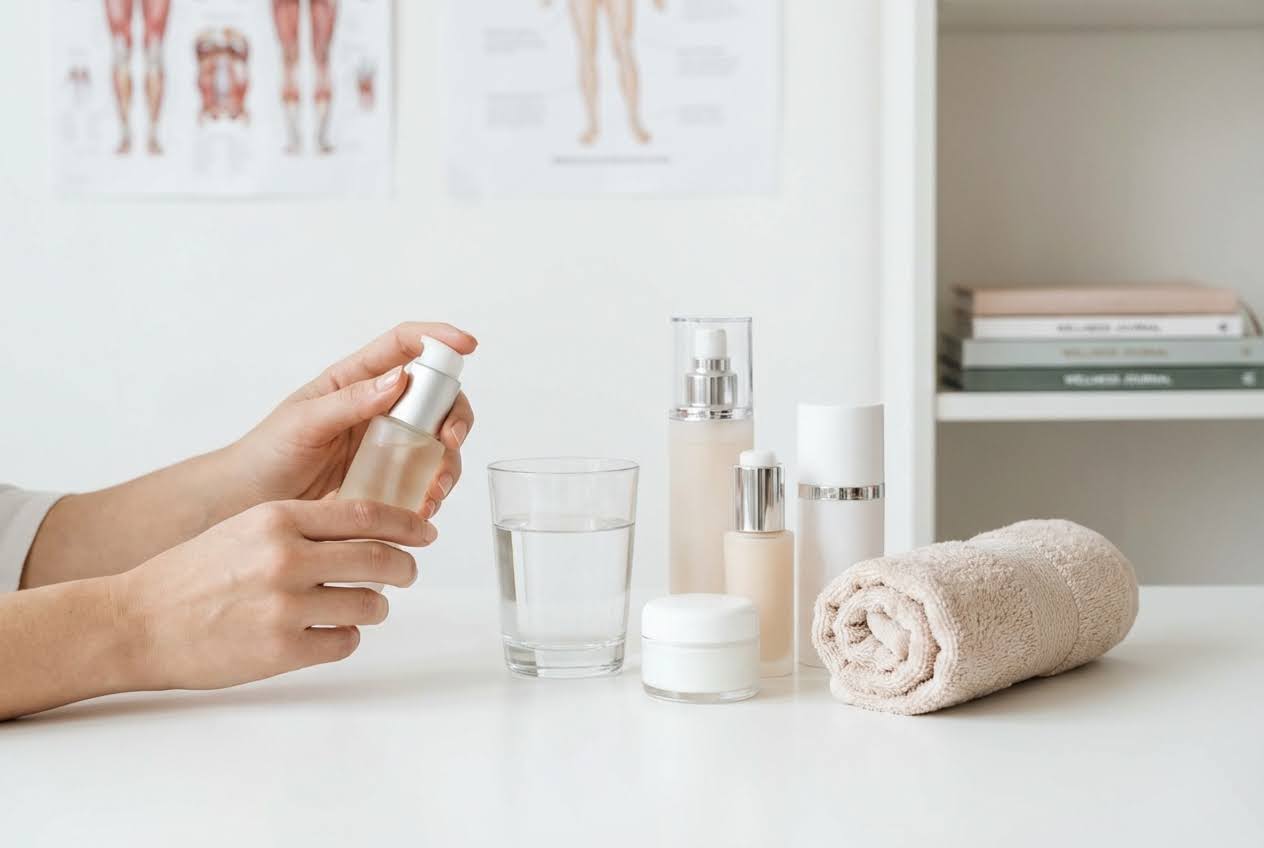 Topical Treatments and Skincare Adjustments
Hyaluronic acid holds up to around 1,000 times its weight in water under optimal conditions. This makes it the gold standard for menopausal skin hydration. Apply hyaluronic acid serums to damp skin, then seal with a moisturizer. Other effective humectants include glycerin and urea.
Look for products containing multiple molecular weights of hyaluronic acid. Smaller molecules penetrate deeper, while larger molecules hydrate the surface.
Ceramides are lipids that naturally occur in the skin barrier. They act like mortar between skin cells, preventing moisture loss. Menopausal skin has lower ceramide levels, making supplementation through skincare products crucial. Ceramide-rich moisturizers help rebuild the protective barrier weakened by estrogen loss.
Foaming cleansers strip natural oils from already-dry skin. Switch to cream or oil-based cleansers that clean without depleting moisture. Avoid products containing sulfates, alcohol, or fragrance. Cleansing once or twice daily, depending on skin type, can help maintain balance.
What you eat directly affects your skin. Omega-3 fatty acids found in salmon, walnuts, and flaxseed help maintain the skin's lipid barrier. These healthy fats reduce inflammation and support moisture retention from within. Consider adding fatty fish to your diet two to three times weekly.
Central heating and air conditioning strip moisture from indoor air. A humidity level between 40-60% supports skin health. Use a humidifier in your bedroom during the winter months. Your skin loses moisture to dry air constantly, so environmental control matters.
Sun damage accelerates collagen loss and further dries the skin. Wear broad-spectrum SPF 30 or above daily, even on cloudy days. Antioxidant serums containing vitamin C or E provide additional protection against environmental stressors.
Dr. Des Fernandes emphasizes that "the topical replenishment of vitamin A and antioxidants is the most effective starting point for women experiencing the effects of menopause on their skin."
HRT can significantly improve skin hydration and thickness for some women. Estrogen replacement helps restore the skin's natural moisture-retention abilities. This treatment is not appropriate for everyone, so a thorough medical evaluation is necessary. Doctronic offers convenient telehealth consultations to discuss whether HRT might benefit your skin concerns.
Prescription retinoids stimulate collagen production and speed cell turnover. They are more potent than over-the-counter options. Start slowly to avoid irritation, using retinoids every third night initially. Pair with rich moisturizers to minimize dryness.
Seek professional help if over-the-counter products provide no relief after six to eight weeks. Persistent itching, cracking, or bleeding skin warrants medical attention. A dermatologist can rule out conditions like eczema or psoriasis that may worsen during menopause.
As Paula Oliver, Dermatology Nurse Consultant for EPIMAX®, notes, "Empowering women with the right information and resources [is important] to manage skin changes during menopause."
Skin dryness typically persists throughout menopause and into postmenopause. With proper treatment, symptoms can be managed effectively long-term.
Staying hydrated supports overall health, but drinking water alone will not reverse skin dryness caused by hormonal changes. Topical treatments remain essential.
Some natural oils like jojoba and rosehip can supplement a skincare routine. They should not replace proven ingredients like hyaluronic acid and ceramides.
Yes. Dry, dehydrated skin shows fine lines more prominently. Proper hydration can minimize the appearance of wrinkles.
A complete overhaul is not necessary. Focus on adding hydrating products and switching to gentler cleansers while keeping products that still work for you.
Menopausal dry skin results from declining estrogen, collagen loss, and reduced oil production. Effective treatment combines hydrating skincare ingredients, lifestyle adjustments, and professional guidance when needed. For personalized advice on managing skin changes during menopause, visit Doctronic to connect with healthcare providers who can recommend the right approach for your specific situation.
Meta Description: Learn about the 7 common and serious side effects of Airsupra and how to manage risks like oral thrush or heart issues through proper inhaler [...]
Read MoreMeta Description: Learn about 8 budesonide interactions and what to avoid when you’re taking budesonide, including grapefruit and common drugs, to ensure your treatment is [...]
Read MoreMeta Description: Learn about these 7 Xolair interactions and what to avoid when you’re taking Xolair to safely manage your asthma, chronic hives, or nasal polyp [...]
Read More