

7 Common and Serious Side Effects of Airsupra
Meta Description: Learn about the 7 common and serious side effects of Airsupra and how to manage risks like oral thrush or heart issues through proper inhaler [...]
Read MoreUp to 50% of women in perimenopause and menopause experience chronic itching due to declining estrogen levels
Estrogen loss reduces skin hydration, collagen production, and weakens the skin's protective barrier
Menopausal itching can appear as generalized body pruritus, formication (crawling sensations), or vulvar irritation
Lifestyle changes, including proper skincare, omega-3 fatty acids, and avoiding triggers, can provide significant relief
Medical treatments range from hormone replacement therapy to topical estrogen and over-the-counter solutions
Persistent or severe itching warrants a healthcare provider visit to rule out other conditions
Your skin starts behaving strangely during menopause, and nobody warned you. The itching can strike anywhere: arms, legs, scalp, or intimate areas. You might feel like something is crawling beneath your skin when nothing is there. These sensations are not imaginary or psychological. They are real biological responses to hormonal shifts happening inside your body.
Up to half of women in perimenopause and menopause experience pruritus, or chronic itching. Yet many women suffer in silence, unaware that their itchy skin connects directly to menopause. Itching is a symptom many women overlook or don't immediately associate with menopause, often learning the connection only after discussing it with their doctor. This article explains why menopausal itching occurs and what actually works to stop it.
Estrogen does far more than regulate your reproductive system. This hormone acts as a master regulator for skin moisture. Estrogen stimulates oil glands to produce sebum, the natural oil that keeps skin soft and supple. It also triggers hyaluronic acid production, which holds water in skin cells like a sponge.
When estrogen drops during menopause, oil production plummets. Skin becomes dry, tight, and prone to cracking. Without adequate moisture, nerve endings become more exposed and sensitive. This creates that persistent itch that no amount of scratching seems to satisfy.
Your skin loses approximately 20% of its collagen in the first five years after menopause begins. Collagen provides structural support and helps maintain the skin barrier. This barrier normally protects against irritants, allergens, and moisture loss.
As collagen depletes, the skin barrier weakens. Environmental irritants penetrate more easily. Water escapes from skin cells faster. The combination creates a cycle in which dry, damaged skin becomes increasingly itchy, and scratching worsens the damage.
Paresthesia refers to abnormal sensations in the skin, including tingling, burning, and prickling. Fluctuating hormones affect nerve function throughout the body, including the sensory nerves in your skin. These nerves may fire signals incorrectly, producing sensations with no external cause.
Some women describe paresthesia as electric shocks under the skin. Others feel pins and needles without any numbness. These sensations often worsen at night when fewer distractions exist. doctronic.tech can help women understand whether their symptoms fit typical menopausal patterns or require further investigation.
Pruritus affects large areas of the body without visible rash or skin changes. Arms, legs, back, and chest are common locations. The itch may move around or affect multiple areas simultaneously. Dry indoor air, hot showers, and wool clothing often trigger or worsen symptoms.
Formication creates the distinct feeling that insects are crawling on or beneath the skin. Nothing is actually there. This unsettling sensation results from misfiring nerve signals during hormonal transitions. Women often feel embarrassed to mention formication, fearing it sounds unusual. Rest assured: this symptom is well-documented and directly linked to hormonal changes.
Genitourinary syndrome of menopause affects up to 70% of postmenopausal women, with symptoms including dryness, burning, and itching. Vaginal tissues thin and lose elasticity without estrogen support. This creates irritation, discomfort during intimacy, and persistent itching.
Many women hesitate to discuss vulvar symptoms with their doctors. This reluctance delays treatment and prolongs suffering. Effective treatments exist, and no woman should endure this discomfort silently.
 Lifestyle Adjustments and Home Remedies
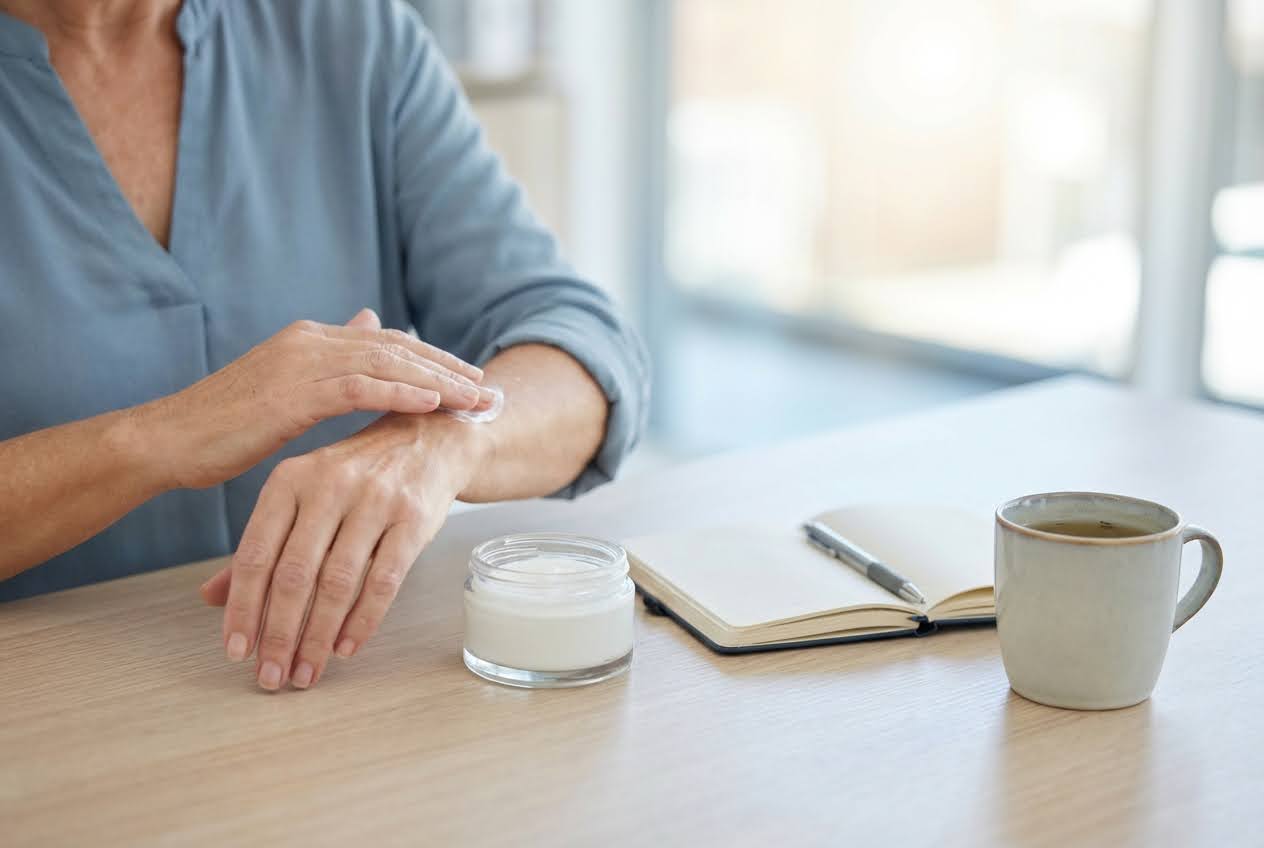
Switch to gentle, fragrance-free cleansers that do not strip natural oils. Apply thick, cream-based moisturizers immediately after bathing, while skin is still damp. Look for ingredients like ceramides, hyaluronic acid, and glycerin that restore barrier function.
Shower with lukewarm water rather than hot. Hot water removes protective oils and worsens dryness. Limit bathing time to ten minutes or less. Pat skin dry gently instead of rubbing.
Omega-3 fatty acids support skin health from the inside. Fatty fish, walnuts, flaxseeds, and chia seeds provide these essential fats. Some women notice improvement after adding fish oil supplements to their routine.
Stay well-hydrated by drinking water throughout the day. Reduce alcohol and caffeine, which can dehydrate skin. Phytoestrogens found in soy products may offer mild relief for some women, though results vary.
Certain fabrics, detergents, and products worsen menopausal itching. Wear soft, breathable cotton clothing against your skin. Wash clothes with fragrance-free, hypoallergenic detergent. Use a humidifier in dry indoor environments, especially during the winter months.
Avoid harsh soaps, bubble baths, and scented lotions. These products contain chemicals that irritate sensitive menopausal skin. Choose products labeled for sensitive skin or those specifically designed for mature skin.
HRT addresses menopausal itching at its source by restoring estrogen levels. Many women experience significant improvement in skin hydration, elasticity, and comfort. HRT comes in pill, patch, gel, and cream formulations, allowing personalized treatment approaches.
Not every woman qualifies for HRT. Medical history, risk factors, and personal preferences all influence this decision. Doctronic offers convenient consultations to discuss whether HRT might be appropriate for your situation.
Topical estrogen treats localized symptoms without systemic hormone exposure. Vaginal estrogen creams, rings, and tablets effectively address vulvar and vaginal itching. These products deliver estrogen directly where needed.
Prescription-strength moisturizers and anti-itch creams provide relief when over-the-counter options fail. A healthcare provider can recommend appropriate formulations based on symptom severity and location.
Colloidal oatmeal lotions soothe irritated skin naturally. Hydrocortisone cream reduces inflammation and itching temporarily. Antihistamines may help when itching disrupts sleep, though they do not address the underlying cause.
Vaginal moisturizers designed for menopausal women provide relief between medical treatments. These products differ from lubricants and offer longer-lasting hydration.
Seek medical attention when itching persists despite home remedies, interferes with sleep, or affects quality of life. Visible rashes, skin changes, or unusual discharge alongside itching warrant evaluation. Sudden, severe itching could indicate conditions unrelated to menopause that require diagnosis.
A healthcare provider can rule out other causes, including thyroid disorders, diabetes, liver conditions, and skin diseases. They can also prescribe treatments unavailable over the counter. doctronic.tech makes accessing medical guidance simple with nationwide telehealth visits.
Declining estrogen levels reduce oil production, collagen, and hyaluronic acid in the skin. This leads to dryness, a weakened skin barrier, and increased nerve sensitivity that creates itching sensations.
While menopause itself is not curable, its symptoms are highly treatable. Lifestyle changes, proper skincare, and medical treatments effectively manage itching for most women.
Yes. Up to 70% of postmenopausal women experience genitourinary symptoms, including vulvar itching. Effective treatments exist, and women should discuss these symptoms with their healthcare providers.
Duration varies widely. Some women experience itching only during perimenopause, while others have ongoing symptoms throughout postmenopause. Proper treatment significantly reduces duration and severity.
HRT often provides significant relief by restoring estrogen levels that support skin hydration and health. Individual results vary, and HRT is not appropriate for everyone.
Menopausal itching affects many women during this life transition, but effective solutions exist. Understanding the hormonal causes empowers women to seek appropriate treatment. For personalized guidance on managing menopausal symptoms, visit doctronic.tech for free AI consultations or affordable telehealth visits with real doctors.
Meta Description: Learn about the 7 common and serious side effects of Airsupra and how to manage risks like oral thrush or heart issues through proper inhaler [...]
Read MoreMeta Description: Learn about 8 budesonide interactions and what to avoid when you’re taking budesonide, including grapefruit and common drugs, to ensure your treatment is [...]
Read MoreMeta Description: Learn about these 7 Xolair interactions and what to avoid when you’re taking Xolair to safely manage your asthma, chronic hives, or nasal polyp [...]
Read More