

7 Common and Serious Side Effects of Airsupra
Meta Description: Learn about the 7 common and serious side effects of Airsupra and how to manage risks like oral thrush or heart issues through proper inhaler [...]
Read MorePostmenopausal women are more likely to develop high blood pressure compared to premenopausal women due to estrogen loss and vascular changes, though not necessarily twice as likely
Approximately 40-60% of women develop hypertension before age 60, making menopause a critical window for heart health monitoring
The AHA/ACC guideline continues to recommend a blood pressure treatment goal of less than 130/80 mm Hg for most adults, but individualized targets may apply for older adults or those with comorbidities
Hot flashes and high blood pressure share similar symptoms but require different responses
Lifestyle changes, including diet, exercise, and stress management, can significantly reduce cardiovascular risk during menopause
Your body undergoes dramatic changes during menopause, and blood pressure is one of the most overlooked casualties. Postmenopausal women have a higher prevalence of high blood pressure compared to those still menstruating. This shift occurs because the protective effects of estrogen are lost, leaving blood vessels more vulnerable to stiffening and damage.
Many women spend years managing hot flashes and mood changes while their cardiovascular system quietly deteriorates. Roughly 40-60% of women develop hypertension before age 60, often catching them off guard. The relationship between menopause and blood pressure deserves attention now, not after a diagnosis.
Estrogen does more than regulate reproductive cycles. It keeps blood vessel walls flexible and responsive to blood flow changes. When estrogen levels drop during menopause, arteries lose their ability to expand and contract efficiently. This stiffening forces the heart to pump harder, raising blood pressure readings.
The inner lining of blood vessels, called the endothelium, relies on estrogen to produce nitric oxide. Nitric oxide relaxes blood vessels and prevents dangerous constriction. Without adequate estrogen, nitric oxide production falls, and vessels become rigid and narrow.
The renin-angiotensin system controls fluid balance and blood vessel tension throughout the body. Estrogen normally keeps this system in check, preventing excessive vessel constriction. Menopause removes that regulation, allowing the system to overreact and push blood pressure upward.
Salt sensitivity also increases after menopause. Women who previously tolerated high-sodium diets may suddenly see their blood pressure spike after salty meals. This heightened sensitivity stems directly from hormonal changes affecting kidney function.
Menopause triggers a redistribution of body fat toward the abdomen. This visceral fat is metabolically active and releases inflammatory compounds that damage blood vessels. Even women who maintain the same weight often see their waist circumference increase during this transition.
Insulin resistance frequently develops alongside these changes. The combination of abdominal fat, insulin problems, and inflammation creates a perfect environment for hypertension to develop. Doctronic can help women track these interconnected symptoms and understand how they affect cardiovascular health.
Hot flashes and high blood pressure episodes feel remarkably similar. Both cause flushing, sweating, heart palpitations, and a sense of internal heat. Many women dismiss dangerous blood pressure spikes as routine menopause symptoms, delaying critical intervention.
The key difference lies in timing and triggers. Hot flashes typically last two to four minutes and often occur at predictable times. Blood pressure spikes may persist longer and cause headaches, vision changes, or chest discomfort. When in doubt, check blood pressure with a home monitor during symptoms.
Night sweats and insomnia plague most menopausal women, and poor sleep directly raises blood pressure. Sleep deprivation increases stress hormones, inflammation, and salt retention. Women averaging less than six hours of sleep face significantly higher hypertension risk.
Sleep apnea also becomes more common after menopause. The condition causes repeated breathing interruptions that spike blood pressure throughout the night. Morning headaches and persistent fatigue warrant evaluation for this often-missed condition.
 Hormone Replacement Therapy (HRT) and Heart Health
HRT remains controversial for cardiovascular protection. Some studies show improved blood vessel function and cholesterol profiles with estrogen therapy. Others suggest increased clot risk and potential heart problems in certain populations.
Cholesterol and blood pressure often rise during menopause, making it a critical window to reassess heart risk and intervene early. The decision to use HRT requires weighing individual risk factors, family history, and symptom severity.
Research suggests HRT provides cardiovascular benefits only when started within ten years of menopause onset. Women who begin therapy in their fifties may see protective effects, while those starting in their sixties or later may face increased risks.
This timing window matters because younger blood vessels can still respond positively to estrogen. Older, already-damaged vessels may react differently to hormonal stimulation. Women considering HRT should discuss timing carefully with their healthcare providers.
The DASH diet works particularly well for menopausal women. This eating pattern emphasizes fruits, vegetables, whole grains, and lean proteins while limiting sodium and saturated fats. Potassium-rich foods like bananas, sweet potatoes, and spinach help counteract sodium's blood pressure effects.
Phytoestrogens from soy products, flaxseeds, and legumes may provide mild estrogenic effects without medication risks. These plant compounds won't replace lost hormones entirely, but can support cardiovascular function during the transition.
Aerobic exercise remains the gold standard for blood pressure control. Walking, swimming, or cycling for 150 minutes weekly can lower systolic blood pressure by 5-8 points. Consistency matters more than intensity for menopausal women.
Resistance training deserves equal attention. Building muscle mass improves insulin sensitivity and metabolic function, both of which affect blood pressure. Two to three strength sessions weekly complement aerobic work effectively. Doctronic offers guidance on creating exercise routines tailored to individual health profiles and limitations.
Chronic stress keeps cortisol levels elevated, directly raising blood pressure and promoting abdominal fat storage. Menopause often coincides with major life stressors like aging parents, career changes, and relationship shifts.
Meditation, deep breathing, and yoga have been shown to lower blood pressure. Even ten minutes of daily relaxation practice can produce measurable improvements within weeks. The key is finding a stress management technique that fits into daily life consistently.
The AHA/ACC High Blood Pressure Guideline recommends a treatment goal of less than 130/80 mm Hg for most adults, with flexibility for older adults or those with frailty. This target applies regardless of menopausal status, though achieving it may require more aggressive intervention after menopause.
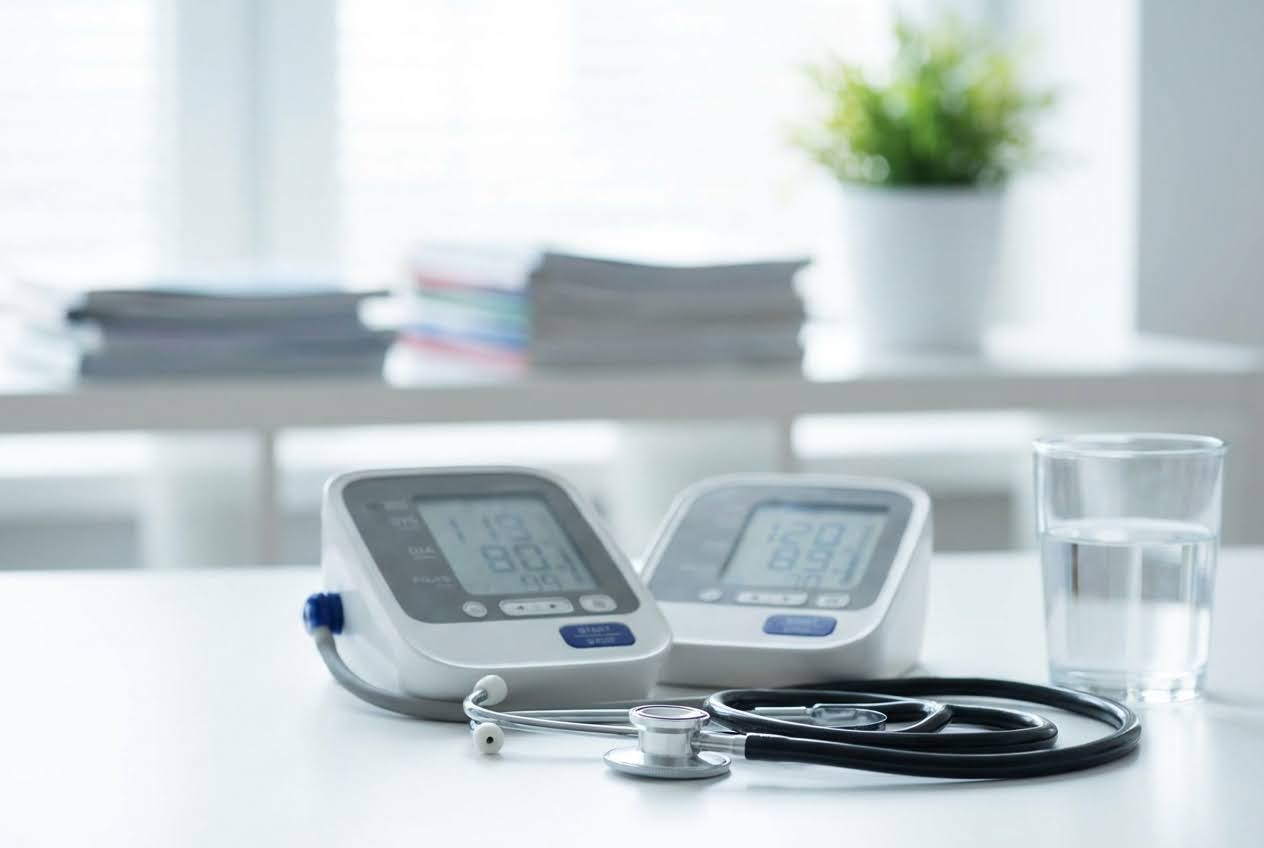
Home blood pressure monitoring provides crucial data between medical appointments. Taking readings at the same time daily, ideally morning and evening, reveals patterns that office visits miss. Women should track readings alongside menopause symptoms to identify connections.
Regular cardiovascular assessments become essential during menopause. Cholesterol panels, fasting glucose tests, and blood pressure checks should occur at least annually. Doctronic provides convenient access to medical consultations that can help interpret these results and guide treatment decisions.
Yes, blood pressure can rise rapidly during the menopausal transition. Hormonal fluctuations, weight changes, and stress combine to create conditions for sudden increases. Women with previously normal readings should monitor blood pressure regularly starting in their mid-forties.
Without intervention, menopausal hypertension typically persists and may worsen. The underlying causes, including estrogen loss and vascular stiffening, are permanent changes. Lifestyle modifications and sometimes medication are needed to control blood pressure long-term.
Medication decisions depend on individual readings, risk factors, and response to lifestyle changes. Many women can control mild hypertension through diet and exercise alone. Those with consistently elevated readings or additional risk factors often benefit from medication.
Home monitoring two to three times weekly provides good baseline data. Women with known hypertension or concerning symptoms should check daily. Annual medical evaluations should include a professional blood pressure assessment.
Menopause triggers significant cardiovascular changes that increase the risk of high blood pressure by up to 30–50%. Women can protect their heart health through regular monitoring, lifestyle modifications, and timely medical consultation. For personalized guidance on managing blood pressure during menopause, visit Doctronic for convenient access to AI-powered health insights and affordable, around-the-clock telehealth consultations.
Meta Description: Learn about the 7 common and serious side effects of Airsupra and how to manage risks like oral thrush or heart issues through proper inhaler [...]
Read MoreMeta Description: Learn about 8 budesonide interactions and what to avoid when you’re taking budesonide, including grapefruit and common drugs, to ensure your treatment is [...]
Read MoreMeta Description: Learn about these 7 Xolair interactions and what to avoid when you’re taking Xolair to safely manage your asthma, chronic hives, or nasal polyp [...]
Read More