

7 Common and Serious Side Effects of Airsupra
Meta Description: Learn about the 7 common and serious side effects of Airsupra and how to manage risks like oral thrush or heart issues through proper inhaler [...]
Read More
Medically reviewed by Oghenefejiro Okifo | MD, Harvard Medical School | Henry Ford Hospital - Detroit, MI on April 5th, 2024.
Chronic kidney disease affects 37 million Americans, with stages 1-2 showing minimal symptoms while stages 4-5 require dialysis preparation as kidney function drops below 30%.
Diabetes and hypertension cause 75% of cases—uncontrolled blood sugar above 180 mg/dL and blood pressure over 140/90 mmHg accelerate kidney damage over years.
Creatinine levels above 1.2 mg/dL in women and 1.4 mg/dL in men indicate reduced filtration, while protein in urine (proteinuria) often appears before other symptoms.
ACE inhibitors or ARBs are first-line treatments that can slow progression by 30-50% when started early, even in patients without high blood pressure.
Regular screening every 1-2 years catches disease early in high-risk patients—waiting until symptoms appear often means 60-70% of kidney function is already lost.
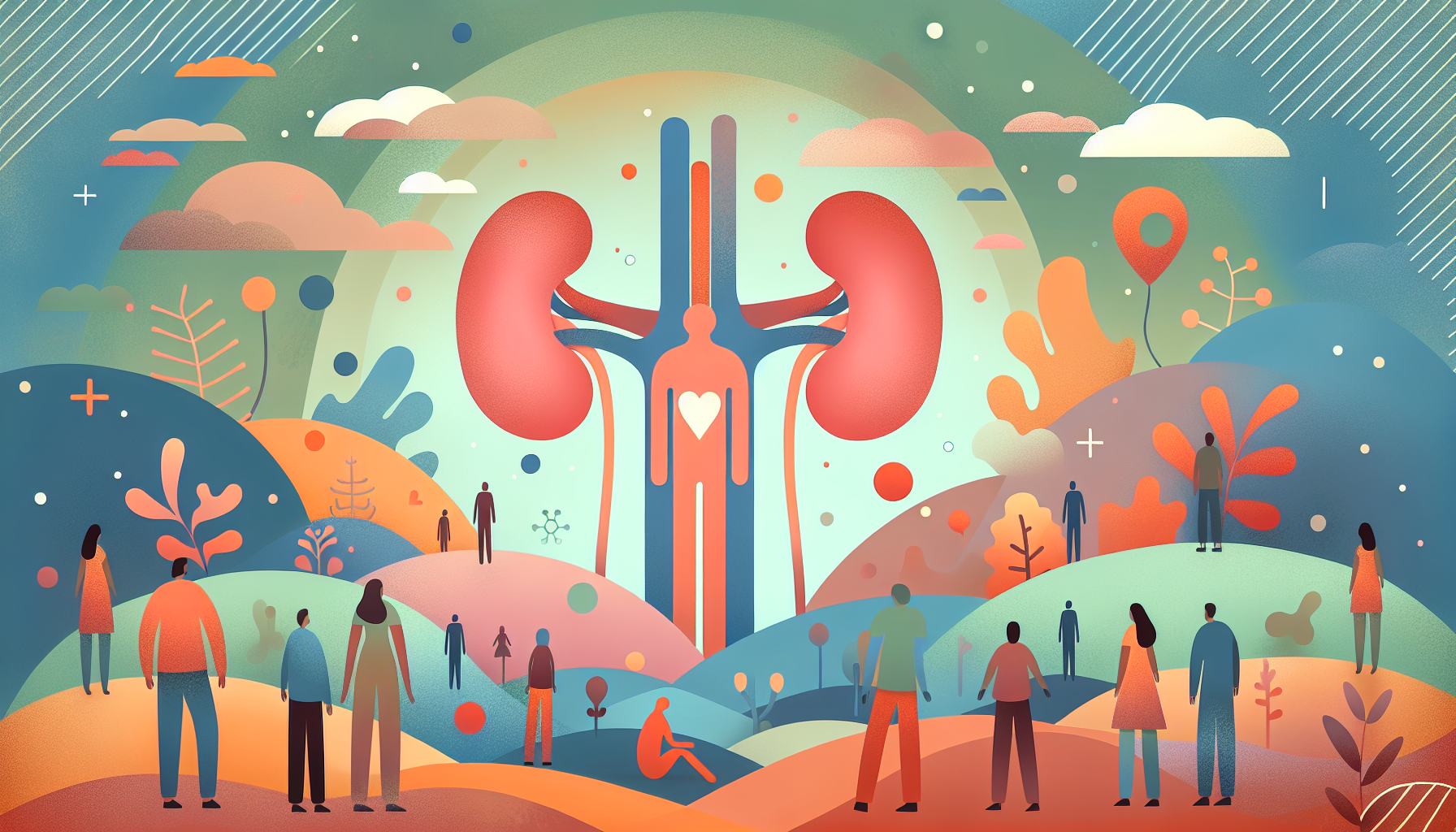
Kidney disease is a condition that affects your body's ability to filter waste and excess fluid from your blood. When your kidneys are damaged, it can lead to a buildup of waste products and fluid in your body, causing various symptoms and potentially life-threatening complications. In this article, we'll discuss the types, causes, symptoms, and treatments of kidney disease to help you better understand this condition.
There are two main types of kidney disease:
Chronic Kidney Disease (CKD): A gradual loss of kidney function over time, often due to diabetes or high blood pressure.
Acute Kidney Injury (AKI): A sudden loss of kidney function, usually caused by a specific event such as dehydration, blood loss, or exposure to toxins.
Some of the most common causes of kidney disease include:
Diabetes (types 1 and 2)
High blood pressure
Glomerulonephritis (inflammation of the kidney's filtering units)
Polycystic kidney disease (an inherited disorder causing fluid-filled cysts in the kidneys)
Prolonged use of certain medications, such as NSAIDs
Exposure to toxins and heavy metals
In the early stages of kidney disease, you may not experience any symptoms. As the condition progresses, you may notice:
Fatigue and weakness
Swelling in your feet, ankles, or legs
Shortness of breath
Nausea and vomiting
Loss of appetite
Changes in urination (more or less frequent, foamy, or bloody)
Difficulty concentrating or confusion
To diagnose kidney disease, your doctor may perform the following tests:
Blood tests to measure waste product levels
Urine tests to check for protein or blood
Imaging tests, such as an ultrasound, to visualize your kidneys
Kidney biopsy to determine the cause of your kidney problems
Treatment for kidney disease depends on the underlying cause and the stage of the condition. Some common treatments include:
Making healthy lifestyle changes can help slow the progression of kidney disease. These may include:
Managing diabetes and high blood pressure
Quitting smoking
Maintaining a healthy weight
Eating a balanced, low-sodium diet
Staying physically active
Your doctor may prescribe medications to help manage your kidney disease, such as:
ACE inhibitors or ARBs to control blood pressure and reduce protein in urine
Diuretics to help remove excess fluid
Erythropoiesis-stimulating agents to treat anemia
Phosphate binders to control phosphorus levels
If your kidneys are no longer able to filter waste and excess fluid effectively, you may need dialysis. There are two main types of dialysis:
Hemodialysis: Your blood is filtered through a machine to remove waste and excess fluid.
Peritoneal dialysis: A special fluid is introduced into your abdominal cavity to absorb waste and excess fluid, which is then drained out.
For some people with end-stage kidney disease, a kidney transplant may be the best treatment option. This involves surgically placing a healthy kidney from a donor into your body to take over the function of your damaged kidneys.
If you suspect you may have kidney disease or are at risk for developing it, talk to your doctor. Early detection and treatment can help slow the progression of the disease and improve your overall health and quality of life.
For more information on kidney disease, visit the National Institute of Diabetes and Digestive and Kidney Diseases or the National Kidney Foundation.
Early detection through routine blood and urine tests is critical since most kidney damage occurs silently over years before symptoms develop. Managing diabetes and blood pressure aggressively, combined with appropriate medications, can significantly slow progression and delay the need for dialysis. If you're experiencing unexplained fatigue, swelling, or changes in urination, Doctronic can help you get the testing and answers you need quickly.
Meta Description: Learn about the 7 common and serious side effects of Airsupra and how to manage risks like oral thrush or heart issues through proper inhaler [...]
Read MoreMeta Description: Learn about 8 budesonide interactions and what to avoid when you’re taking budesonide, including grapefruit and common drugs, to ensure your treatment is [...]
Read MoreMeta Description: Learn about these 7 Xolair interactions and what to avoid when you’re taking Xolair to safely manage your asthma, chronic hives, or nasal polyp [...]
Read More