

7 Common and Serious Side Effects of Airsupra
Meta Description: Learn about the 7 common and serious side effects of Airsupra and how to manage risks like oral thrush or heart issues through proper inhaler [...]
Read MoreApproximately 57% of perimenopausal women experience joint pain, making it one of the most common menopause symptoms
Declining estrogen levels directly affect joint lubrication, collagen production, and inflammation throughout the body
Hands, knees, and hips are the most frequently affected areas during menopause
Anti-inflammatory foods, low-impact exercise, and weight management provide significant natural relief
Medical options include hormone replacement therapy, over-the-counter medications, and targeted supplements
doctronic.tech offers convenient telehealth consultations to help women develop personalized pain management plans
Waking up with stiff, aching joints isn't just a sign of aging. For women approaching or experiencing menopause, joint pain represents a biological shift happening throughout the body. Research shows that approximately 57% of perimenopausal women experience joint pain, yet many don't connect these symptoms to hormonal changes.
The connection between joint pain and menopause runs deeper than most women realize. A large meta-analysis of women in perimenopause and postmenopause found that more than half reported experiencing muscle or joint pain, underscoring how common these symptoms are during the menopausal transition. These aren't minor complaints. They affect daily activities, sleep quality, and overall wellbeing. Understanding why this happens opens the door to effective relief strategies that actually work.
Estrogen does far more than regulate reproductive functions. This hormone acts as a natural anti-inflammatory agent throughout the entire body. Estrogen receptors exist in muscles, bones, joints, tendons, and ligaments. When estrogen levels drop during menopause, inflammation increases in these areas.
The inflammatory response triggers pain signals that women feel as stiffness, aching, and swelling. This isn't imaginary discomfort. It's a measurable biological response to hormone changes.
Estrogen helps maintain synovial fluid, the lubricant that keeps joints moving smoothly. As estrogen declines, joints lose this protective cushioning. The friction between bones increases, causing pain during movement.
Collagen production also depends on adequate estrogen levels. Collagen forms the structural foundation of cartilage, tendons, and ligaments. Less estrogen means less collagen, which means weaker joint structures overall. Women often notice this as increased joint instability or pain during activities that never bothered them before.
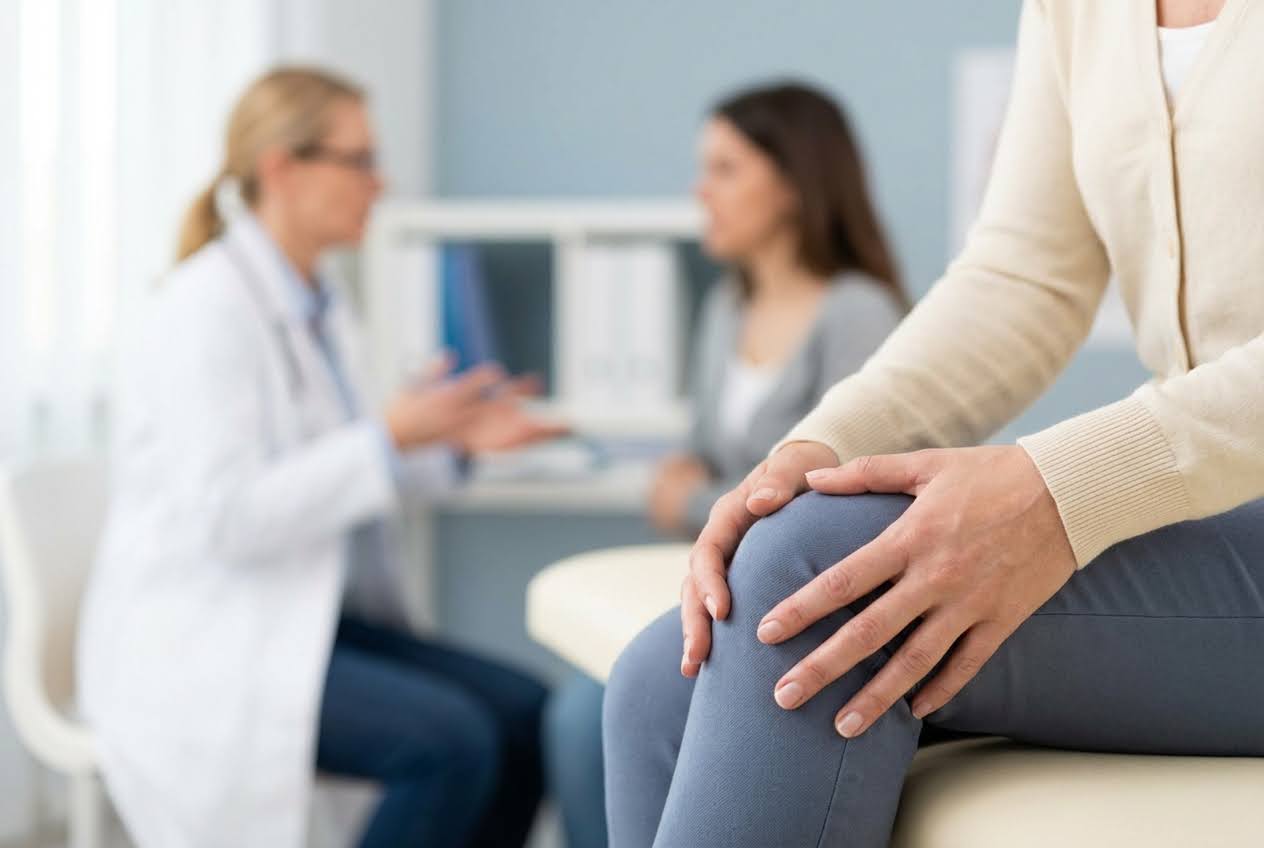
Joint pain during menopause follows predictable patterns. The hands often show symptoms first, with morning stiffness and aching in finger joints. Knees become painful when climbing stairs or after sitting for extended periods. Hip pain frequently disrupts sleep, making it difficult to find comfortable positions.
Shoulders, wrists, and ankles also experience increased discomfort. The pain typically feels worse in the morning and improves with gentle movement throughout the day. Many women describe a "rusty" sensation when they first start moving.
Menopausal joint pain and osteoarthritis share similar symptoms, but they require different approaches. Menopausal joint pain tends to affect multiple joints simultaneously and correlates with other menopause symptoms like hot flashes or mood changes. Osteoarthritis usually develops gradually in specific joints that have experienced wear or injury.
Getting an accurate diagnosis matters for effective treatment. doctronic.tech provides 24/7 telehealth consultations with licensed physicians who can evaluate symptoms and recommend appropriate testing. A proper assessment helps distinguish between hormonal joint pain and other conditions requiring different treatment approaches.
 Lifestyle Adjustments for Natural Pain Management
Food choices directly impact inflammation levels. An anti-inflammatory diet emphasizes fatty fish like salmon and sardines, leafy greens, berries, nuts, and olive oil. These foods contain compounds that naturally reduce inflammatory responses in joint tissue.
Eliminating or reducing processed foods, refined sugars, and excessive alcohol makes a noticeable difference for many women. Staying well-hydrated supports synovial fluid production and helps maintain joint lubrication. Aim for at least eight glasses of water daily, more during exercise or hot weather.
Movement seems counterintuitive when joints hurt, but inactivity makes stiffness worse. Low-impact exercises strengthen muscles around joints without adding stress. Swimming, water aerobics, cycling, and walking provide cardiovascular benefits while protecting joint structures.
Yoga and tai chi improve flexibility and balance while reducing stress hormones that contribute to inflammation. Start slowly and increase intensity gradually. Consistency matters more than intensity for long-term joint health.
Every extra pound places approximately three to four pounds of pressure on knee joints. For women experiencing menopausal joint pain, maintaining a healthy weight significantly reduces daily stress on hips, knees, and ankles.
Weight gain often accompanies menopause due to metabolic changes. Combining anti-inflammatory nutrition with regular exercise addresses both joint pain and weight management simultaneously. Even modest weight loss of 10-15 pounds can dramatically improve joint comfort.
HRT addresses menopausal joint pain at its source by restoring estrogen levels. Many women experience significant improvement in joint symptoms within weeks of starting therapy. HRT also protects against bone density loss, which becomes a concern during and after menopause.
HRT isn't appropriate for everyone. Women with certain health conditions or risk factors may need alternative approaches. A thorough medical evaluation determines whether hormone therapy offers a safe option. doctronic.tech connects women with physicians who can discuss HRT benefits and risks based on individual health profiles.
Non-steroidal anti-inflammatory drugs like ibuprofen and naproxen provide temporary relief for acute joint pain. Topical creams containing capsaicin or menthol offer localized relief without systemic side effects. Acetaminophen helps with pain but doesn't address underlying inflammation.
For more severe cases, prescription options include stronger anti-inflammatory medications, corticosteroid injections, or disease-modifying drugs if autoimmune conditions are present. A healthcare provider can determine which medications suit specific situations and won't interact with other treatments.
Glucosamine and chondroitin support cartilage health and may slow joint deterioration. Research shows mixed results, but many women report noticeable improvement after several months of consistent use.
Omega-3 fatty acids from fish oil reduce inflammatory markers throughout the body. Taking 1–2 grams daily provides anti-inflammatory benefits comparable to low-dose NSAIDs for some women. Magnesium supports muscle relaxation and reduces cramping that often accompanies joint stiffness. Vitamin D ensures proper calcium absorption for bone health.
Protecting joints during and after menopause requires ongoing attention. Regular bone density screenings identify osteoporosis risk early, allowing preventive intervention. Weight-bearing exercises maintain bone strength while supporting joint health.
Ergonomic adjustments at work and home reduce unnecessary joint stress. Using supportive footwear, maintaining good posture, and avoiding repetitive motions protects vulnerable joints from additional damage. Heat therapy before activity and ice after exercise help manage daily discomfort.
Building a relationship with healthcare providers who understand menopausal health ensures access to appropriate treatments as needs change. Annual check-ups should include discussions about joint health, bone density, and hormone levels.
Declining estrogen levels reduce natural anti-inflammatory protection and decrease joint lubrication. Collagen production also slows, weakening cartilage and connective tissue throughout the body.
Yes, HRT often provides significant relief by restoring estrogen levels. Many women notice improvement within weeks of starting treatment, though individual results vary.
Processed foods, refined sugars, excessive alcohol, and red meat can increase inflammation. Reducing these foods while increasing anti-inflammatory options often improves symptoms.
Not necessarily. Many women find that symptoms improve with appropriate treatment, lifestyle changes, and time. The body often adjusts to new hormone levels over several years.
Seek medical attention if pain significantly limits daily activities, persists despite home treatments, or accompanies swelling, redness, or warmth in joints.
Joint pain affects most women during menopause due to declining estrogen levels that reduce natural anti-inflammatory protection and joint lubrication. Combining lifestyle changes like anti-inflammatory nutrition and low-impact exercise with appropriate medical treatments provides the most effective relief for lasting joint health. For personalized guidance and treatment options, doctronic.tech offers convenient telehealth consultations
Meta Description: Learn about the 7 common and serious side effects of Airsupra and how to manage risks like oral thrush or heart issues through proper inhaler [...]
Read MoreMeta Description: Learn about 8 budesonide interactions and what to avoid when you’re taking budesonide, including grapefruit and common drugs, to ensure your treatment is [...]
Read MoreMeta Description: Learn about these 7 Xolair interactions and what to avoid when you’re taking Xolair to safely manage your asthma, chronic hives, or nasal polyp [...]
Read More