

7 Common and Serious Side Effects of Airsupra
Meta Description: Learn about the 7 common and serious side effects of Airsupra and how to manage risks like oral thrush or heart issues through proper inhaler [...]
Read MoreUp to 55% of women experience itchy skin during perimenopause due to declining estrogen levels
Estrogen loss can cause up to 30% collagen depletion within the first few years after menopause, weakening the skin barrier
Formication, the sensation of crawling skin, is a real and documented perimenopause symptom
Simple lifestyle changes like gentle cleansers, humidifiers, and proper hydration can provide significant relief
Medical treatments ranging from HRT to topical prescriptions offer effective solutions for persistent symptoms
doctronic.tech provides 24/7 telehealth consultations to help women address skin concerns during this transition
That sudden, unexplained urge to scratch your arms at 2 AM is not imagined. Itchy skin during perimenopause affects a surprising number of women, with research showing up to 55% experience this symptom. The frustrating part? Many women do not connect the dots between their hormonal shifts and their skin discomfort. They spend months trying new lotions and blaming allergies when the real culprit is hiding in plain sight. Understanding this connection is the first step toward finding real relief.
Estrogen does far more than regulate the reproductive system. This hormone plays a critical role in keeping skin plump, hydrated, and comfortable. Estrogen stimulates the production of natural oils and helps skin retain moisture. When estrogen levels begin their decline during perimenopause, skin loses its ability to stay hydrated. The result is dry, thin skin that becomes easily irritated and itchy.
The numbers here are striking. Studies show women can lose up to 30% of their skin collagen within the first few years after menopause. This collagen loss begins during perimenopause. Collagen provides structure and strength to the skin barrier, the protective layer that keeps irritants out and moisture in. As this barrier weakens, environmental triggers that never bothered you before suddenly cause intense itching.
Some women describe feeling like insects are crawling under their skin. This sensation has a name: formication. It is not a sign of a mental health issue. Formication is a documented neurological response to hormonal changes. The nerve endings in skin become more sensitive as estrogen drops, creating phantom sensations that can be deeply unsettling.
Perimenopausal-related itching presents in two main patterns. Generalized pruritus affects the whole body without any visible rash or skin changes. Women describe it as an all-over prickly sensation that moves around. Localized itching tends to concentrate on specific areas: the scalp, arms, legs, and back are common targets. The vulva and intimate areas can also become dry and itchy, though many women feel uncomfortable discussing this symptom.
The itching often intensifies at night. Body temperature rises during sleep, and there are fewer distractions to keep the mind off discomfort. This creates a frustrating cycle where itching disrupts sleep, and poor sleep worsens the body's ability to manage hormonal symptoms. Women who already struggle with night sweats find the combination particularly exhausting.
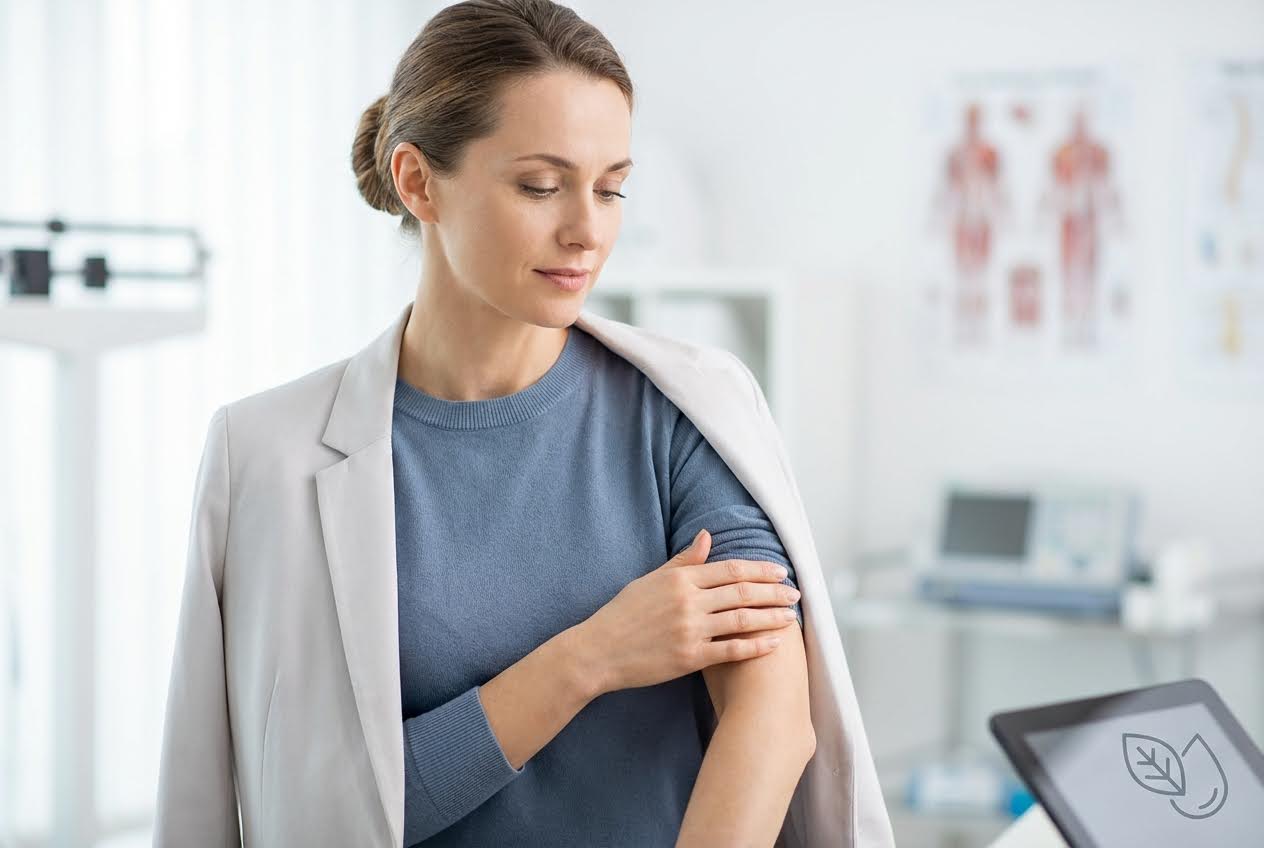 Lifestyle Adjustments to Relieve Discomfort
The skincare products that worked in your thirties may now cause irritation. Switch to fragrance-free, gentle cleansers and avoid products with alcohol or harsh chemicals. Apply a thick, ceramide-based moisturizer immediately after bathing while the skin is still damp. This locks in moisture far more effectively than applying to dry skin. Pat skin dry instead of rubbing, and consider switching to a milder laundry detergent.
Drinking enough water matters, but diet plays an equally important role. Foods rich in omega-3 fatty acids support skin health from the inside out. Salmon, walnuts, and flaxseed are excellent choices. Reducing alcohol and caffeine intake helps because both are dehydrating. Some women find that spicy foods trigger flushing and itching, so tracking food reactions in a journal can reveal personal triggers.
Hot showers and baths strip natural oils from the skin
Wool and synthetic fabrics can irritate sensitive skin
Low-humidity environments, especially in winter, worsen dryness
Harsh soaps and bubble baths should be eliminated
Air conditioning and central heating reduce indoor humidity
Running a humidifier in the bedroom can make a noticeable difference in skin comfort overnight.
HRT addresses the root cause of perimenopause skin changes by supplementing declining estrogen levels. Many women on HRT report significant improvement in skin hydration and reduced itching. The decision to use HRT involves weighing benefits against potential risks, which vary based on personal health history. doctronic.tech offers convenient telehealth consultations where women can discuss whether HRT might be appropriate for their situation. Current guidelines from organizations recommend prescribing HRT at the lowest effective dose for the shortest duration necessary to manage symptoms, after individualized risk assessment.
Prescription-strength moisturizers containing urea or lactic acid can restore skin barrier function more effectively than over-the-counter options. For severe itching, doctors may prescribe topical corticosteroids for short-term use. Topical estrogen creams can help with localized vaginal and vulvar itching. These require a prescription but are highly effective for discomfort in the intimate area.
Non-drowsy antihistamines like cetirizine or loratadine can reduce itching throughout the day. Drowsy formulations like diphenhydramine work well at night and may help with sleep. Hydrocortisone cream provides temporary relief for specific itchy spots but should not be used long-term. Colloidal oatmeal lotions and creams soothe irritated skin without medication.
Several natural approaches show promise for managing perimenopause skin symptoms. Phytoestrogens found in soy products, flaxseed, and red clover may provide mild estrogenic effects. Evening primrose oil supplements have helped some women with skin dryness, though research results are mixed. Aloe vera gel applied directly to itchy areas provides cooling relief. Coconut oil serves as an effective natural moisturizer for many women. While these natural options may offer supportive benefits, they should not replace medically approved treatments when symptoms are moderate to severe. Stress management techniques like yoga and meditation can reduce overall symptom severity since stress hormones worsen skin sensitivity.
Not all itching during perimenopause stems from hormonal changes. Persistent itching that does not respond to basic interventions deserves professional evaluation. A dermatologist can rule out other conditions like eczema, psoriasis, or fungal infections. Itching accompanied by a visible rash, hives, or skin discoloration needs prompt attention. Women experiencing severe symptoms that interfere with daily life should seek help sooner rather than later.
Yes, itchy skin is a common and well-documented symptom of perimenopause. Up to 55% of women experience skin itching during this hormonal transition. The symptom results from declining estrogen levels affecting skin hydration and barrier function.
The duration varies significantly between women. Some experience itching for a few months, while others deal with it throughout the entire perimenopause transition, which can last several years, typically between 4 and 8 years. Symptoms often improve after menopause when hormone levels stabilize.
Absolutely. Generalized pruritus during perimenopause typically occurs without any visible skin changes. The itching stems from internal hormonal shifts affecting nerve sensitivity and skin hydration rather than external irritation.
Look for fragrance-free moisturizers containing ceramides, hyaluronic acid, or glycerin. These ingredients help restore the skin barrier and retain moisture. Apply immediately after bathing for best results.
Consult a healthcare provider if itching is severe, persistent, or accompanied by visible skin changes. Doctronic offers affordable telehealth visits where women can discuss symptoms and treatment options from home.
Itchy skin during perimenopause is a real, common symptom that responds well to proper treatment. Women experiencing persistent itching should explore both lifestyle changes and medical options to find relief. For personalized guidance, doctronic.tech offers 24/7 telehealth consultations with licensed doctors who can help create a treatment plan tailored to individual needs.
Meta Description: Learn about the 7 common and serious side effects of Airsupra and how to manage risks like oral thrush or heart issues through proper inhaler [...]
Read MoreMeta Description: Learn about 8 budesonide interactions and what to avoid when you’re taking budesonide, including grapefruit and common drugs, to ensure your treatment is [...]
Read MoreMeta Description: Learn about these 7 Xolair interactions and what to avoid when you’re taking Xolair to safely manage your asthma, chronic hives, or nasal polyp [...]
Read More