

7 Common and Serious Side Effects of Airsupra
Meta Description: Learn about the 7 common and serious side effects of Airsupra and how to manage risks like oral thrush or heart issues through proper inhaler [...]
Read MoreBetween 40% and 60% of women experience itchy skin during menopause, making it one of the most common yet overlooked symptoms of hormonal change
Declining estrogen causes about a 1–2% average loss of skin collagen per year after menopause, leading to dryness and irritation
Lifestyle changes like shorter showers, gentle fabrics, and proper hydration can provide immediate relief
Ceramide and hyaluronic acid-based moisturizers help restore the skin's protective barrier
Hormone replacement therapy has shown measurable results, improving skin elasticity by up to 30% after six months
Persistent itching that doesn't respond to basic treatments warrants professional evaluation to rule out other conditions
That maddening itch that seems to come from nowhere has a name and a cause. Between 40% and 60% of women in perimenopause and menopause experience itchy skin, yet many women never connect their skin discomfort to their hormonal transition. The itching isn't imagined or minor. It stems from real biological changes happening beneath the skin's surface. Understanding why this happens is the first step toward finding relief, and doctronic.tech can help women identify whether their symptoms align with typical menopausal skin changes or require further investigation.
Estrogen does far more than regulate reproductive functions. It plays a critical role in maintaining skin health by stimulating collagen production and the secretion of natural oils. When estrogen levels drop during menopause, the skin loses its ability to retain moisture effectively. Research shows that estrogen deficiency leads to about a 1–2% decline in skin collagen content per postmenopausal year. This loss creates thinner, drier skin that becomes easily irritated.
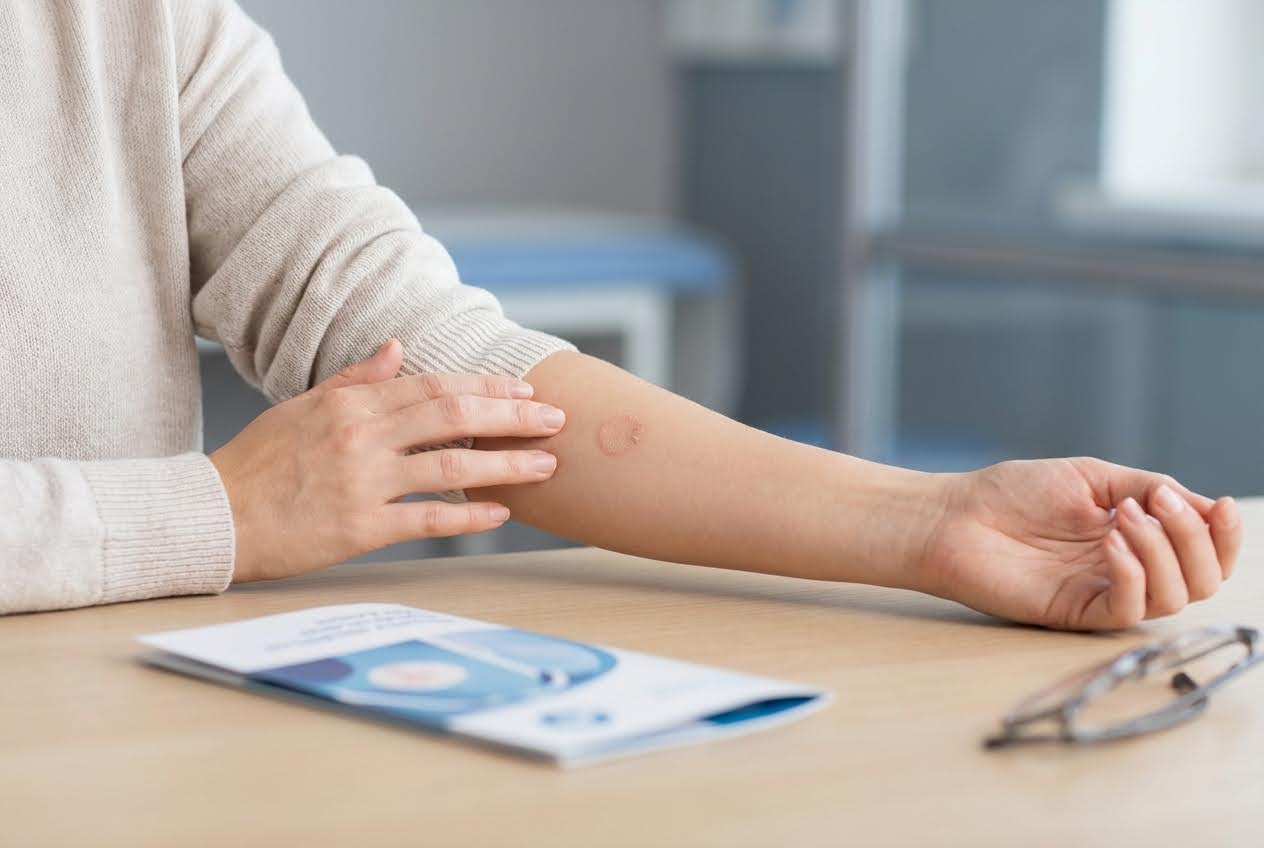
Menopausal itching doesn't strike randomly. Certain areas are more vulnerable due to thinner skin or fewer oil glands. The face, neck, chest, and back are often the most itchy areas. Arms and legs, particularly the shins, become dry and scaly. The scalp may feel tight and itchy, sometimes accompanied by flaking. Even the vulvar area can be affected, causing significant discomfort that many women hesitate to discuss.
Some women describe a disturbing sensation of insects crawling under their skin. This phenomenon, called formication, results from changes in nerve sensitivity during menopause. The sensation is entirely real, even though nothing is actually there. Formication can be deeply unsettling, but recognizing it as a known menopausal symptom often provides psychological relief.
Hot showers feel wonderful, but strip away natural skin oils. Switching to lukewarm water and limiting showers to ten minutes or less protects the skin's moisture barrier. Gentle, fragrance-free cleansers work better than harsh soaps. Patting skin dry rather than rubbing, then applying moisturizer within three minutes of bathing, locks in hydration most effectively.
Synthetic fabrics trap heat and irritate sensitive skin. Cotton and bamboo allow skin to breathe and reduce friction. Laundry detergents with heavy fragrances or dyes leave residue that triggers itching. Switching to hypoallergenic, fragrance-free detergents eliminates this hidden irritant. Running an extra rinse cycle ensures all detergent residue washes away.
Internal hydration matters as much as external moisturizing. Drinking adequate water throughout the day supports skin health from within. Foods rich in omega-3 fatty acids, like salmon, walnuts, and flaxseed, help maintain the skin's natural oil production. Reducing alcohol and caffeine, both of which dehydrate the body, can noticeably improve skin comfort.
Not all moisturizers work equally well for menopausal skin. The most effective products contain humectants that draw water into the skin and occlusives that prevent moisture loss. Glycerin, urea, and shea butter provide deep hydration. Avoiding products with alcohol, retinoids, or alpha-hydroxy acids prevents additional irritation on already sensitive skin.
Ceramides are lipids naturally found in skin that maintain its protective barrier. Menopausal skin loses ceramides faster than it can replace them. Moisturizers containing ceramides help rebuild this barrier. Hyaluronic acid holds up to 1,000 times its weight in water, making it exceptional for plumping and hydrating dry skin. Products combining both ingredients offer superior relief for menopausal dryness.
Over-the-counter hydrocortisone creams provide temporary relief for intense itching. These should be used sparingly and for short periods only, as prolonged use thins the skin further. Calamine lotion soothes without steroids. Pramoxine-based products numb itchy areas safely. For persistent itching, consulting a healthcare provider through doctronic.tech can help determine whether stronger treatments are needed.
 Medical and Hormonal Treatments
HRT addresses menopausal skin changes at their source by restoring estrogen levels. Studies show that after six months of HRT treatment, skin elasticity and firmness can improve by up to 30%, with wrinkle depth modestly reduced. HRT isn't appropriate for everyone, and individual health history determines candidacy. Women considering HRT should discuss risks and benefits with their healthcare provider.
When over-the-counter options fail, prescription-strength topical steroids can break the itch-scratch cycle. These medications reduce inflammation quickly but require careful monitoring. Doctors typically prescribe them for short-term use on specific problem areas. Newer non-steroidal prescription options like tacrolimus offer alternatives for sensitive areas where steroids shouldn't be used long-term.
Not all midlife itching stems from menopause. Thyroid disorders, diabetes, liver problems, and allergic reactions can all cause similar symptoms. Dermatologists can offer personalized advice, recommend suitable skincare products, and rule out other medical conditions. Getting a proper diagnosis ensures appropriate treatment rather than guessing at solutions.
Certain symptoms indicate something beyond typical menopausal itching. Persistent rashes, skin that cracks or bleeds, itching that disrupts sleep for weeks, and areas that ooze or develop crusts all warrant medical attention. Sudden-onset severe itching without visible skin changes should prompt evaluation to rule out internal causes.
Itching related to menopause can persist throughout the transition and beyond, sometimes lasting several years. Symptoms often improve once hormone levels stabilize after menopause, though some women experience ongoing dryness that requires continued management.
Yes. Foods high in omega-3 fatty acids support skin barrier function, while adequate water intake maintains hydration. Some women find that spicy foods, alcohol, and caffeine worsen their symptoms by triggering hot flashes that irritate their skin.
No. While both cause itchy skin, eczema is a chronic inflammatory condition that may worsen during menopause but has different underlying causes. Menopausal itching results specifically from hormonal changes affecting skin structure and moisture retention.
Products containing retinoids or strong acids may increase irritation on already sensitive menopausal skin. Switching to gentler formulations during the transition, then gradually reintroducing active ingredients once skin stabilizes, often works better than continuing aggressive anti-aging routines.
Absolutely. Stress triggers cortisol release, which can exacerbate inflammation and skin sensitivity. Many women notice their itching intensifies during stressful periods. Stress management techniques may provide unexpected relief for skin symptoms.
Itchy skin during menopause affects most women and results from declining estrogen levels that reduce collagen and moisture in the skin. Relief comes from combining lifestyle changes, proper moisturizing, and medical treatments when needed. For personalized guidance on managing menopausal skin symptoms, doctronic.tech offers free AI doctor visits and affordable telehealth consultations with licensed physicians available 24/7.
Meta Description: Learn about the 7 common and serious side effects of Airsupra and how to manage risks like oral thrush or heart issues through proper inhaler [...]
Read MoreMeta Description: Learn about 8 budesonide interactions and what to avoid when you’re taking budesonide, including grapefruit and common drugs, to ensure your treatment is [...]
Read MoreMeta Description: Learn about these 7 Xolair interactions and what to avoid when you’re taking Xolair to safely manage your asthma, chronic hives, or nasal polyp [...]
Read More