

7 Common and Serious Side Effects of Airsupra
Meta Description: Learn about the 7 common and serious side effects of Airsupra and how to manage risks like oral thrush or heart issues through proper inhaler [...]
Read More
Medically reviewed by Oghenefejiro Okifo | MD, Harvard Medical School | Henry Ford Hospital - Detroit, MI on April 4th, 2024.
The thyroid produces T3 and T4 hormones that regulate metabolism in every cell—when production drops below normal, heart rate slows, body temperature falls, and energy plummets.
Hashimoto's thyroiditis causes 90% of cases in iodine-sufficient countries, where antibodies gradually destroy thyroid tissue over months to years.
TSH levels above 4.5 mIU/L typically indicate the condition, though symptoms often appear when TSH reaches 10 mIU/L or higher.
Levothyroxine must be taken on an empty stomach 30-60 minutes before eating, as food reduces absorption by up to 40%.
Untreated cases can progress to myxedema coma with body temperatures below 95°F and altered mental status—a medical emergency with 20-50% mortality.
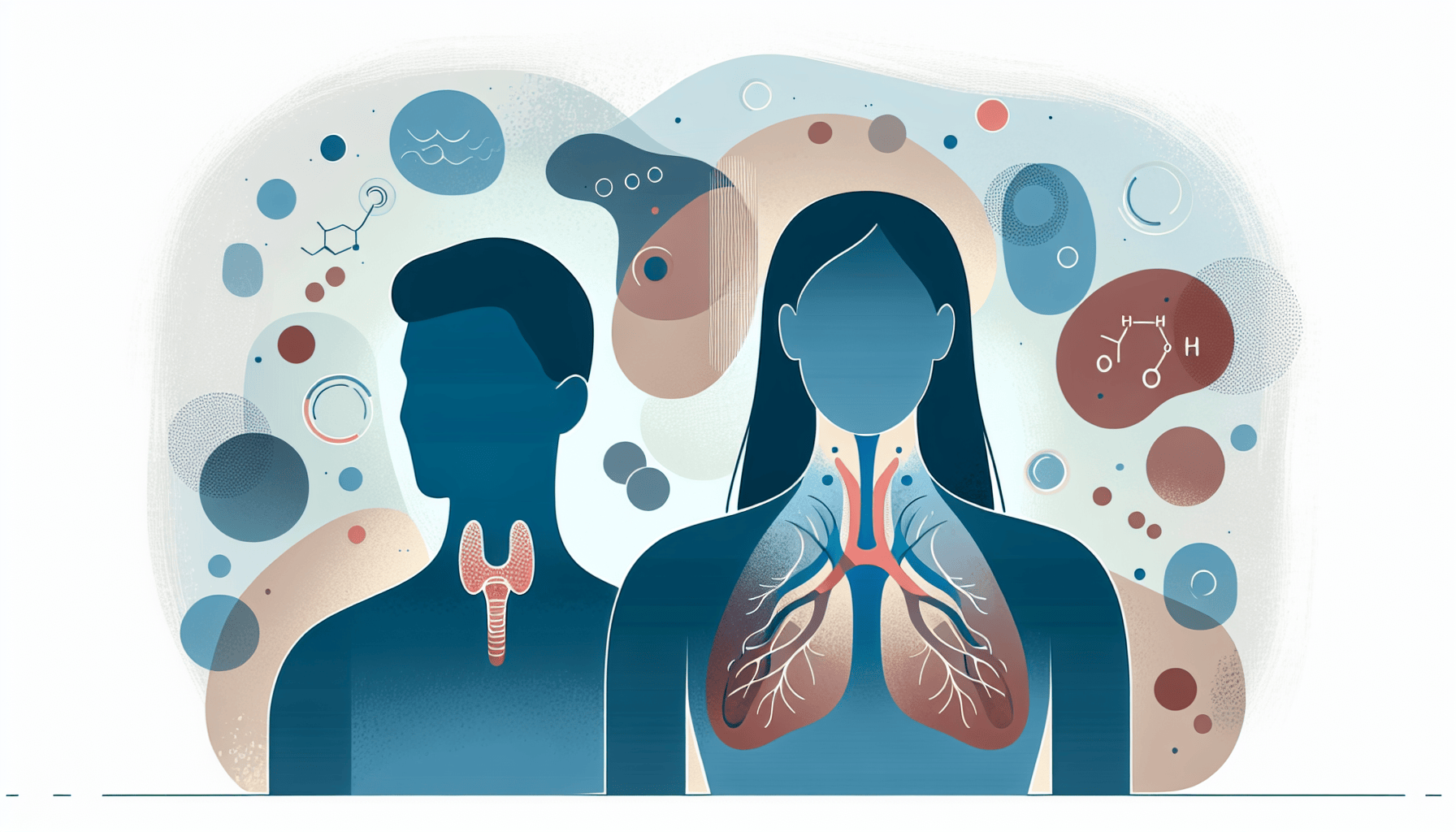
Hypothyroidism, also known as an underactive thyroid, is a common disorder that occurs when your thyroid gland doesn't produce enough thyroid hormone. The thyroid gland, located in the front lower part of your neck, plays a crucial role in regulating your body's metabolism, affecting your heart, brain, muscles, and skin. When you have hypothyroidism, your body processes slow down, leading to various symptoms and potential complications.
The symptoms of hypothyroidism can be vague and often mimic other conditions. Some common symptoms include:
Fatigue
Increased sensitivity to cold
Constipation
Dry skin and hair
Unexplained weight gain
Muscle aches and weakness
Depression
Irregular menstrual cycles
In babies, hypothyroidism may cause symptoms such as jaundice, poor feeding habits, and delayed growth and development. If you or your child experience any of these symptoms, it's essential to consult your healthcare provider for an accurate diagnosis.
The most common cause of hypothyroidism is Hashimoto's thyroiditis, an autoimmune disorder in which your body produces antibodies that attack and destroy the thyroid gland. Other causes include:
Radiation therapy to the neck area
Radioactive iodine treatment for hyperthyroidism
Certain medications
Thyroid surgery
Iodine deficiency (rare in the U.S.)
Pregnancy-related thyroiditis
Congenital hypothyroidism
Pituitary gland damage or disorders
If you suspect you have hypothyroidism, your doctor will order blood tests to check your thyroid hormone levels. The most common tests include:
Thyroid-stimulating hormone (TSH) test
T4 (thyroxine) test
Lower-than-normal T4 levels usually indicate hypothyroidism. In some cases, you may have subclinical or mild hypothyroidism, characterized by increased TSH levels and normal T4 levels. Your doctor may also order a thyroid ultrasound or scan to check for nodules or inflammation.
The standard treatment for hypothyroidism is a daily pill containing a synthetic form of thyroid hormone called levothyroxine. Your doctor will determine the appropriate dosage based on your blood test results and monitor your TSH levels regularly to ensure you're receiving the correct amount. It's crucial to take your medication as prescribed and inform your doctor about any other medications, supplements, or herbs you're taking, as they may interfere with the absorption of the synthetic thyroid hormone.
If left untreated, hypothyroidism can lead to various complications, such as:
Goiter (enlarged thyroid gland)
Heart problems and increased risk of heart disease
Infertility and pregnancy complications
Joint pain and muscle weakness
Mental health issues, such as depression and memory problems
Peripheral neuropathy
Myxedema (severe hypothyroidism)
Prompt diagnosis and appropriate treatment can help prevent these complications and improve your overall health and well-being.
For more information on hypothyroidism, consult the following reputable sources:
Most people with this condition need lifelong daily hormone replacement, with dosing adjusted every 6-8 weeks initially until TSH normalizes between 0.5-4.5 mIU/L. Early treatment prevents serious complications including heart problems and severe metabolic slowdown. If you're experiencing unexplained fatigue, weight gain, or cold intolerance, Doctronic can help you get proper testing and answers quickly.
Meta Description: Learn about the 7 common and serious side effects of Airsupra and how to manage risks like oral thrush or heart issues through proper inhaler [...]
Read MoreMeta Description: Learn about 8 budesonide interactions and what to avoid when you’re taking budesonide, including grapefruit and common drugs, to ensure your treatment is [...]
Read MoreMeta Description: Learn about these 7 Xolair interactions and what to avoid when you’re taking Xolair to safely manage your asthma, chronic hives, or nasal polyp [...]
Read More