

7 Common and Serious Side Effects of Airsupra
Meta Description: Learn about the 7 common and serious side effects of Airsupra and how to manage risks like oral thrush or heart issues through proper inhaler [...]
Read More
Medically reviewed by Alan Lucks | MD, Alan Lucks MDPC Private Practice - New York on April 23rd, 2024.
This severe form of morning sickness affects 0.3-3% of pregnancies, causing vomiting more than 3-4 times daily and weight loss exceeding 5% of pre-pregnancy weight.
Symptoms peak between 8-12 weeks of pregnancy and can persist until 20 weeks or longer, unlike typical morning sickness which resolves by 14 weeks.
Women carrying multiples have 3 times higher risk, while those with previous history face 15-80% recurrence rates in subsequent pregnancies.
First-line treatment includes vitamin B6 (10-25mg three times daily) combined with doxylamine, while severe cases may require ondansetron or hospitalization for IV thiamine.
Untreated cases can lead to Wernicke encephalopathy from thiamine deficiency, preterm birth, and low birth weight—though most babies develop normally with proper management.
Pregnancy is an exciting time, but for some women, it can be accompanied by a severe form of morning sickness called hyperemesis gravidarum. This condition affects less than 3% of pregnant women and can cause intense nausea and vomiting, leading to dehydration and weight loss. While there is no cure for hyperemesis gravidarum, it is temporary, and there are ways to manage the symptoms.
Hyperemesis gravidarum is a severe form of morning sickness that causes excessive vomiting, sometimes almost constantly. This can result in:
Dehydration
Significant weight loss
Difficulty performing daily activities
Unlike typical morning sickness, which often fades by the end of the first trimester, hyperemesis gravidarum usually lasts longer. It generally strikes between the 4th and 6th week of pregnancy and may be at its worst around weeks 9 to 13. Symptoms usually improve by the 20th week, but not always.
The exact cause of hyperemesis gravidarum is unknown, but doctors believe it is related to a rise in hormone levels during pregnancy. Women who experienced the condition during their first pregnancy have a higher chance of getting it again during subsequent pregnancies. There is no known way to prevent hyperemesis gravidarum, although taking a multivitamin before getting pregnant may help slightly.
Hyperemesis gravidarum can cause problems for both the mother and the baby, including:
Significant weight loss (5% is common)
Kidney problems, leading to reduced urination
Low levels of essential minerals (electrolytes) in the body
Muscle weakness due to malnutrition and bed rest
Excessive saliva production
Without proper treatment, there is a higher chance of premature birth or low birth weight, which can put the baby at risk for health problems.
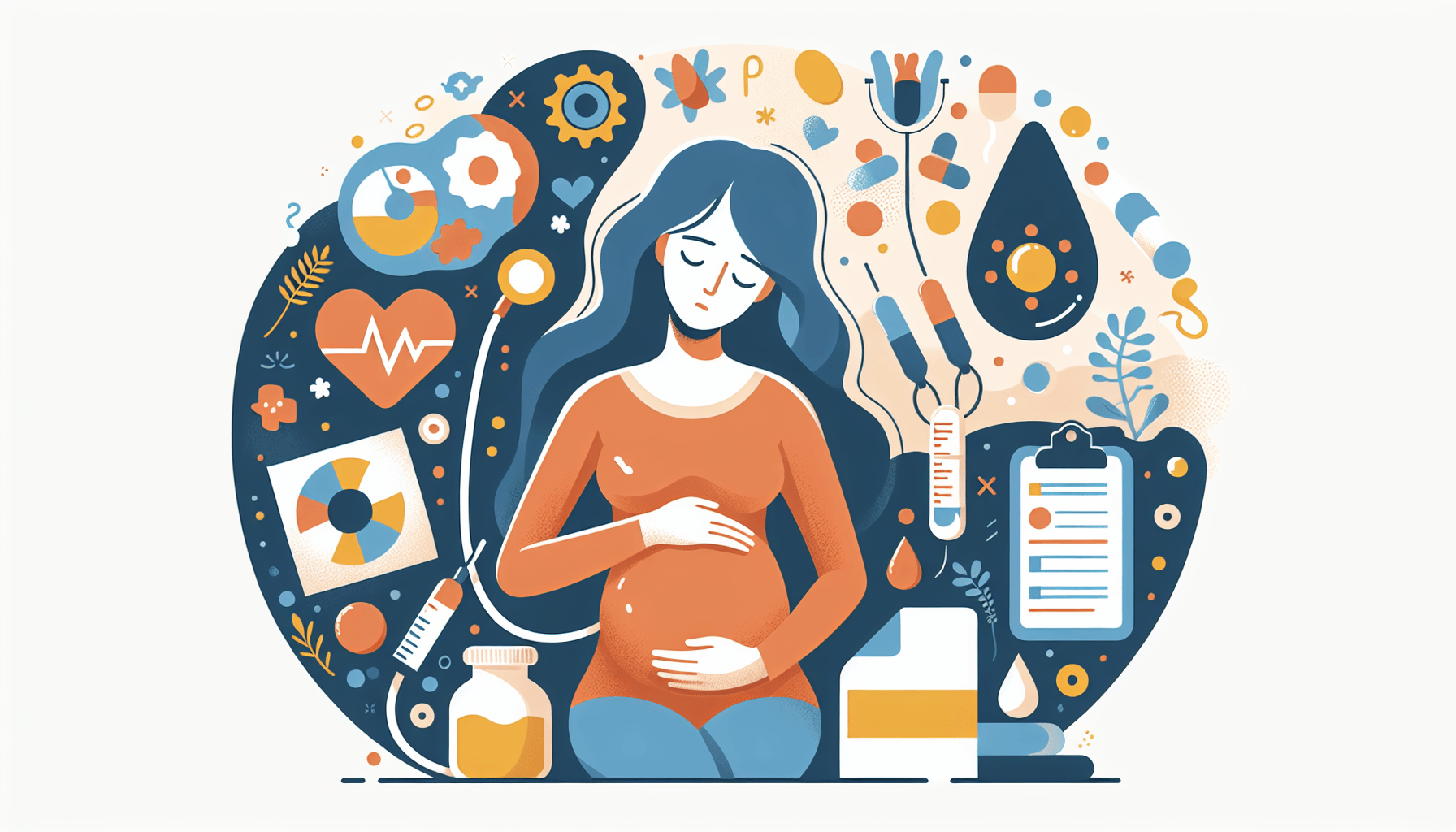
Treatment for hyperemesis gravidarum depends on the severity of the symptoms and how they impact the mother's health. In some cases, lifestyle changes may be recommended, such as:
Eating smaller, more frequent meals
Drinking smaller amounts of fluids more often, preferably through a straw
Consuming cold foods if hot ones trigger nausea
Drinking electrolyte-replacement sports drinks and taking nutritional supplements
Getting enough sleep and managing stress
Other treatment options may include:
Ginger supplements (1 to 1.5 grams a day)
Vitamin B6 (pyridoxine) in doses of 10 mg to 25 mg, 3 times a day
Vitamin B1 (thiamine) in doses of 1.5 milligrams a day
Prescription medications to reduce vomiting, administered orally, via suppository, IV, or injection
Antacids to help with nausea
In severe cases, hospitalization may be necessary. Treatment in the hospital may include:
IV fluids to prevent dehydration
Tube feeding through the nose or directly into the stomach or small intestine
IV feeding to bypass the stomach altogether
Remember, while hyperemesis gravidarum can be a challenging condition, it is temporary, and with proper management, symptoms will eventually subside. If you suspect you may be experiencing hyperemesis gravidarum, consult your healthcare provider for guidance and support.
For more information on hyperemesis gravidarum and pregnancy-related conditions, visit:
Early medical intervention is crucial since this condition can cause serious maternal complications including dangerous electrolyte imbalances and nutritional deficiencies. Most women recover completely with appropriate treatment, though some may need multiple hospitalizations throughout pregnancy. If you're experiencing severe vomiting with weight loss during pregnancy, Doctronic can help you understand your symptoms and determine if immediate medical care is needed.
Meta Description: Learn about the 7 common and serious side effects of Airsupra and how to manage risks like oral thrush or heart issues through proper inhaler [...]
Read MoreMeta Description: Learn about 8 budesonide interactions and what to avoid when you’re taking budesonide, including grapefruit and common drugs, to ensure your treatment is [...]
Read MoreMeta Description: Learn about these 7 Xolair interactions and what to avoid when you’re taking Xolair to safely manage your asthma, chronic hives, or nasal polyp [...]
Read More