

7 Common and Serious Side Effects of Airsupra
Meta Description: Learn about the 7 common and serious side effects of Airsupra and how to manage risks like oral thrush or heart issues through proper inhaler [...]
Read MoreUp to 50% of women experience itchy skin during perimenopause due to declining estrogen levels, affecting skin hydration and barrier function
Switching to fragrance-free, low-pH cleansers and moisturizers with ceramides or hyaluronic acid provides immediate relief
Essential fatty acids from diet and supplements help rebuild skin from the inside out
Hormone replacement therapy and phytoestrogens can address the root cause of hormonal skin changes
Persistent or severe itching warrants consultation with a dermatologist or gynecologist to rule out other conditions
That maddening itch that appeared out of nowhere isn't your imagination. Roughly 40–50% of women in perimenopause and menopause experience itchy skin, making it one of the most common yet rarely discussed symptoms of hormonal transition. The good news: stopping perimenopause itching is entirely possible once you understand what's happening beneath the surface and take targeted action.
Your skin is essentially staging a protest against changing hormone levels. What worked for decades suddenly fails, leaving you scratching at 3 AM or avoiding certain fabrics you once loved. This isn't a minor annoyance to push through. Chronic itching disrupts sleep, damages skin through scratching, and affects quality of life. The strategies below address both immediate relief and long-term solutions. For personalized guidance on managing perimenopausal symptoms, doctronic.tech offers AI-powered consultations that can help you understand your specific situation.
Estrogen does far more for skin than most women realize. Declining estrogen levels during perimenopause lead to decreased collagen production, reduced natural oil production, and a compromised skin barrier. When estrogen drops, skin loses its ability to retain moisture. The sebaceous glands produce less oil. Collagen breaks down faster than it regenerates. The result is skin that feels paper-thin, dry, and irritated.
Itching during perimenopause doesn't follow predictable patterns. Some women experience it primarily on their arms and legs, where skin naturally has fewer oil glands. Others notice intense scalp itching or facial irritation. The chest, back, and intimate areas are also frequently affected. Anywhere skin has thinned or dried becomes a potential trouble spot.
Beyond standard itching, some women experience formication: the disturbing sensation of insects crawling beneath the skin. This symptom results from nerve endings becoming hypersensitive as estrogen levels fluctuate. It's not psychological, and it's not dangerous, but it is deeply uncomfortable. Recognizing formication as a legitimate perimenopausal symptom helps women seek appropriate treatment rather than dismissing their experience.
Most commercial cleansers are too harsh for perimenopausal skin. Products with a pH above 6 strip away the already-compromised acid mantle, leaving skin vulnerable and reactive. Fragrance, even "natural" fragrance, triggers histamine responses in sensitized skin. Switch to a cleanser with a pH between 4.5 and 5.5. Look for labels stating "fragrance-free" rather than "unscented," as unscented products often contain masking fragrances.
Not all moisturizers work equally well for hormonally depleted skin. Ceramides are lipids that mimic and repair the skin's natural barrier. They fill gaps between skin cells, preventing moisture loss. Hyaluronic acid can hold up to 1,000 times its weight in water, drawing moisture into the skin's layers. Apply hyaluronic acid to damp skin, then seal with a ceramide-rich cream. This combination addresses both hydration and barrier repair.
Hot showers feel wonderful, but devastate dry skin. Water above 100°F strips natural oils faster than your body can replace them. Limit showers to 10 minutes maximum and keep the water lukewarm. Pat skin gently rather than rubbing with towels. Apply moisturizer within 3 minutes of bathing, while the skin is still slightly damp. These simple changes make a noticeable difference within days.
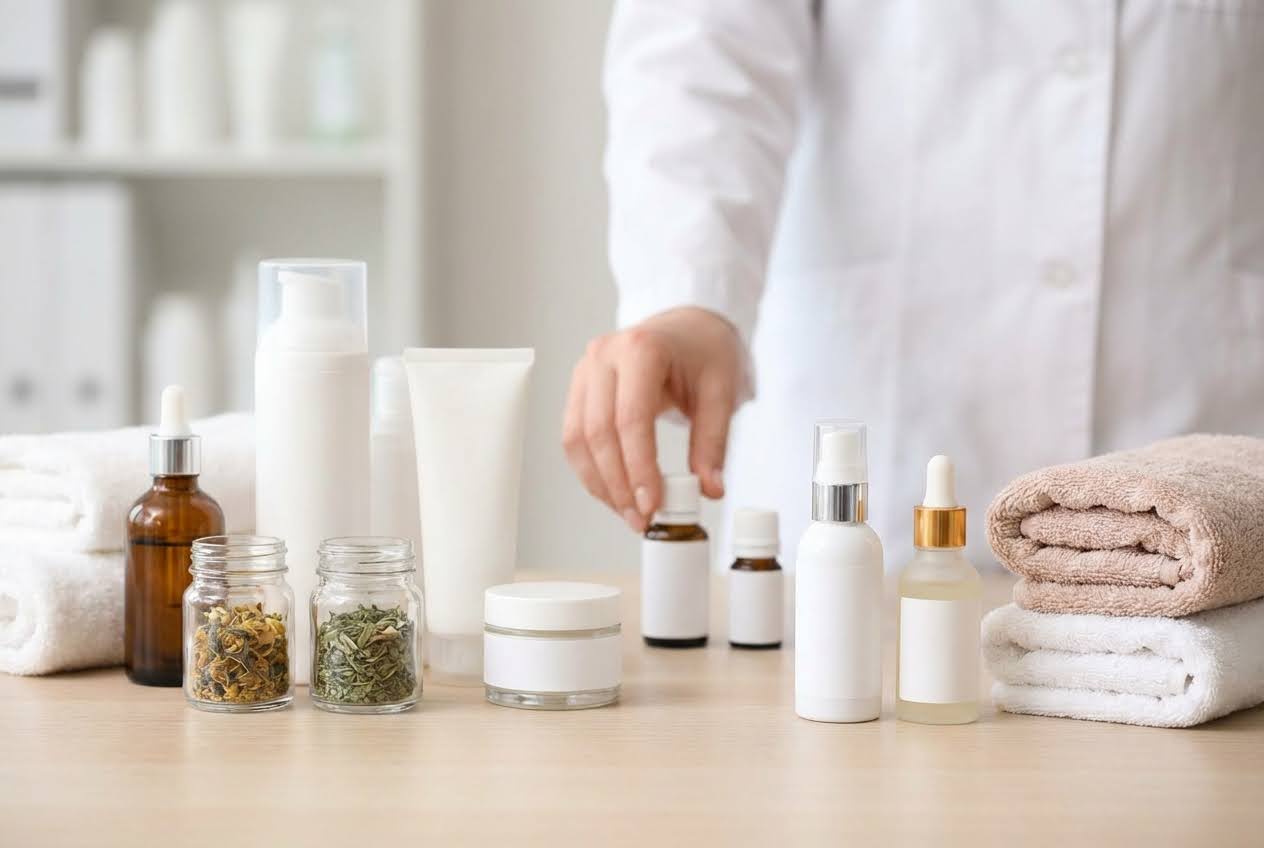 Lifestyle and Dietary Changes to Soothe Irritation
Topical treatments only go so far. Skin health depends heavily on dietary fats. Omega-3 fatty acids from fatty fish, flaxseed, and walnuts reduce inflammation and support cell membrane integrity. Evening primrose oil and borage oil provide gamma-linolenic acid, which many women find helpful for skin symptoms. Aim for two servings of fatty fish weekly or supplement with up to 1,000mg of fish oil daily, unless otherwise directed by a healthcare provider.
Synthetic fabrics trap heat and moisture against the skin, worsening itching. Cotton, bamboo, and linen allow air circulation and wick moisture away. This matters especially for sleepwear and bedding, where you spend hours in contact with fabric. Cooling sheets designed for hot sleepers can reduce nighttime itching episodes. Remove tags from clothing, as even small irritants trigger scratching in sensitized skin.
Stress hormones increase histamine production, intensifying itching. The itch-scratch cycle itself becomes a stress response, creating a feedback loop. Cortisol spikes during perimenopause compound the problem. Regular stress management through exercise, meditation, or breathing practices reduces baseline histamine levels. Even 10 minutes of daily deep breathing can measurably improve skin symptoms.
HRT addresses the root cause of perimenopausal skin changes by replacing declining estrogen. Approximately 15–25% of menopausal women experience significant skin itching severe enough to warrant medical intervention. For these women, HRT often provides dramatic relief. Estrogen restores skin thickness, oil production, and collagen synthesis. Discuss the benefits and risks with your healthcare provider to determine whether HRT is suitable for your situation. doctronic.tech can help you prepare questions and understand treatment options before your appointment.
Antihistamines reduce itching by blocking histamine receptors. Non-drowsy options work during the day, while sedating antihistamines help with nighttime symptoms and sleep. Hydrocortisone cream (1%) calms inflammation for short-term use. Avoid using topical steroids for more than two weeks without medical supervision, as they thin the skin with prolonged use. Colloidal oatmeal lotions and creams provide gentle, daily relief without side effects.
Plant-based estrogens offer a gentler approach for women who cannot or prefer not to use HRT. Black cohosh, red clover, and soy isoflavones have shown benefit for some perimenopausal symptoms. Results vary significantly between individuals. These supplements take several weeks to months to show effects. Always inform your healthcare provider about supplements you're taking, as some interact with medications.
Persistent itching that doesn't respond to home treatment deserves professional evaluation. Itching accompanied by rash, hives, or skin changes requires examination to rule out other conditions. Sudden, severe itching can occasionally indicate thyroid dysfunction, liver issues, or other medical problems that coincide with perimenopause but require different treatment.
A dermatologist can prescribe stronger topical treatments, identify underlying skin conditions, and recommend professional-grade products. A gynecologist evaluates whether hormonal treatment is appropriate and monitors overall perimenopausal health. Don't suffer in silence or assume nothing can help. doctronic.tech offers convenient telehealth consultations that can help determine whether you need specialist care.
Itching can persist throughout the perimenopausal transition, which averages 4-8 years. Some women experience relief as hormone levels stabilize after menopause, while others need ongoing management strategies.
Yes. Some women experience skin changes as their first or only noticeable perimenopausal symptom. Itching can begin years before hot flashes or irregular periods appear.
Hormonal changes can increase sensitivity to substances that never bothered you before. Many women develop new sensitivities to skincare products, detergents, or fabrics during perimenopause.
Nighttime itching is common because body temperature rises during sleep, and there are fewer distractions from the sensation. Cooling bedding and evening antihistamines help many women.
Diet significantly impacts skin health. Inflammatory foods like sugar and processed items can worsen itching, while omega-3 fatty acids and adequate hydration support skin barrier function.
Perimenopause itching affects many women during hormonal transition, but effective solutions exist at every level: from skincare adjustments to dietary changes to medical treatments. Understanding that declining estrogen directly causes skin changes empowers women to address the root cause rather than just masking symptoms. For personalized guidance on managing perimenopause symptoms, visit doctronic.tech for AI-powered consultations available 24/7.
Meta Description: Learn about the 7 common and serious side effects of Airsupra and how to manage risks like oral thrush or heart issues through proper inhaler [...]
Read MoreMeta Description: Learn about 8 budesonide interactions and what to avoid when you’re taking budesonide, including grapefruit and common drugs, to ensure your treatment is [...]
Read MoreMeta Description: Learn about these 7 Xolair interactions and what to avoid when you’re taking Xolair to safely manage your asthma, chronic hives, or nasal polyp [...]
Read More