

7 Common and Serious Side Effects of Airsupra
Understanding Airsupra Side EffectsAirsupra is a prescription inhaler used as a rescue medication to relieve asthma symptoms in adults aged 18 years and older. It is not [...]
Read MoreDeclining estrogen levels during menopause shift fat storage to the abdomen, creating metabolically active visceral fat
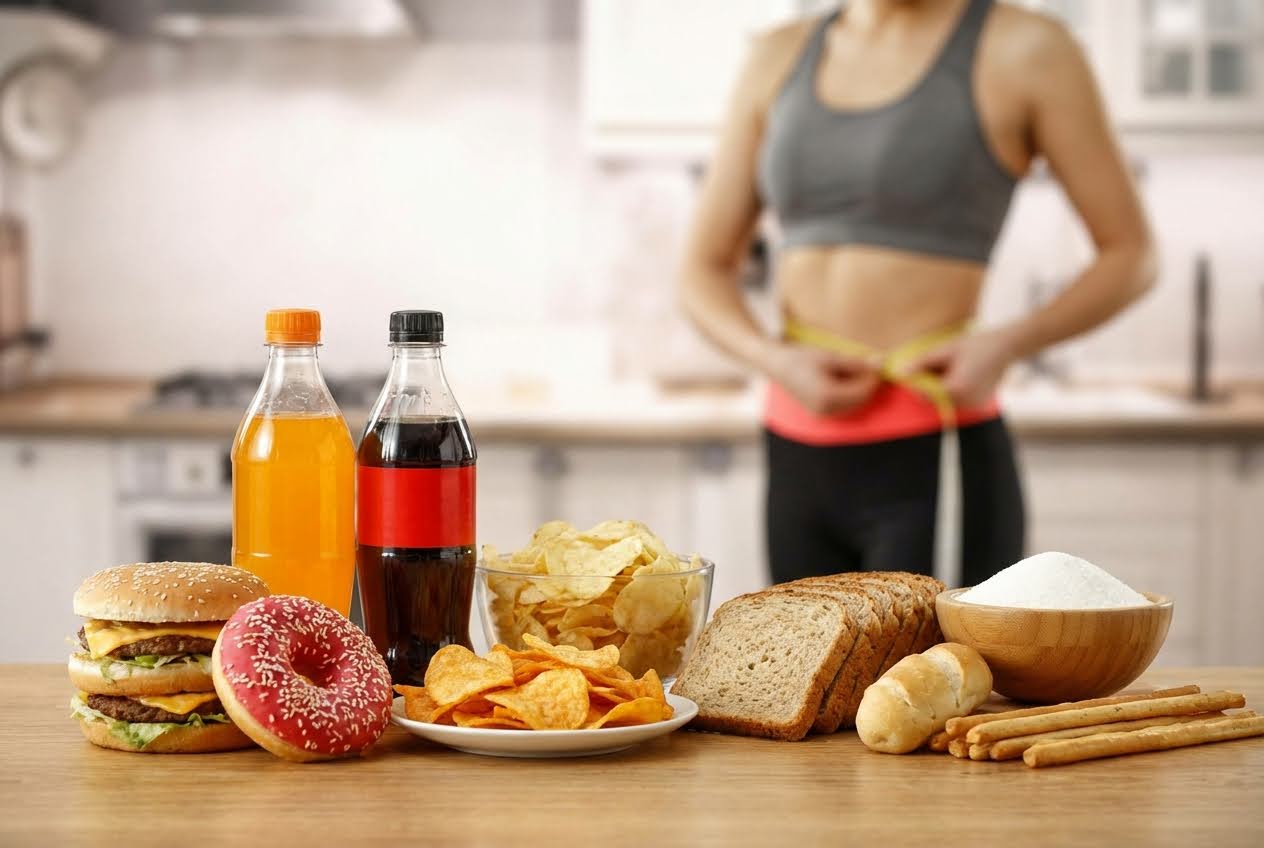
Refined carbohydrates and hidden sugars spike insulin, directly promoting belly fat accumulation
Industrial seed oils and ultra-processed foods trigger inflammation that worsens hormonal imbalances
Alcohol disrupts cortisol and sleep patterns, accelerating midsection weight gain
Strategic swaps toward lean protein, fiber, and phytoestrogen-rich foods support lasting weight management
The stubborn weight that settles around the midsection during menopause is not a character flaw or a sign of laziness. It is a biological response to shifting hormones that fundamentally changes how the body processes and stores energy. As estrogen levels drop during menopause, women's bodies store more fat around the abdomen. This "meno belly" contains visceral fat, which is hormonally active and can actually worsen existing hormonal imbalances.
Knowing which foods to avoid for menopause belly fat gives women a powerful tool for managing this transition. The good news: dietary changes can make a significant difference. doctronic.tech offers personalized guidance for women navigating these changes, helping them understand how nutrition affects their unique situation.
Before menopause, estrogen directs fat storage toward the hips and thighs. This pattern served evolutionary purposes, providing energy reserves for pregnancy and nursing. When estrogen drops, the body loses this directive and defaults to storing fat in the abdomen, the same pattern typically seen in men.
This shift is not cosmetic. Visceral fat wraps around internal organs and releases inflammatory compounds into the bloodstream. These compounds interfere with insulin signaling and create a cycle that promotes even more abdominal fat storage.
Menopause increases insulin resistance in most women. Cells become less responsive to insulin's signal to absorb glucose from the blood. The pancreas compensates by producing more insulin, and elevated insulin levels directly promote fat storage, especially around the midsection.
Foods that spike blood sugar rapidly make this problem worse. The body responds with an insulin surge, and over time, this pattern entrenches insulin resistance and accelerates belly fat accumulation.
White bread, pasta, crackers, and baked goods made from refined flour behave almost identically to sugar in the body. The milling process strips away fiber and nutrients, leaving pure starch that converts to glucose within minutes of eating.
These foods cause rapid blood sugar spikes followed by crashes that trigger hunger and cravings. The insulin response promotes fat storage, while the crash drives overeating. Replacing refined grains with whole-grain alternatives slows digestion and moderates the blood sugar response.
Sodas, fruit juices, sweetened coffees, and sports drinks deliver concentrated sugar without any fiber to slow absorption. The liver processes fructose differently from glucose, converting excess directly to fat. High-fructose corn syrup, found in countless packaged foods, is particularly problematic.
Reading labels reveals hidden sugars in unexpected places: pasta sauce, salad dressing, yogurt, and bread often contain added sugars. Specialists recommend prioritizing a balanced, minimally processed diet rich in whole plant foods and healthy fats.
Soybean oil, corn oil, canola oil, and other industrial seed oils dominate processed foods. These oils are high in omega-6 fatty acids, which promote inflammation when consumed in excess. The typical modern diet contains far too much omega-6 and too little omega-3, creating a pro-inflammatory state.
Trans fats, though largely restricted, can still appear in some processed foods. In many countries, industrially produced trans fats have been removed from most of the food supply, though small amounts may still be present in certain imported or older products. Checking ingredient lists for “partially hydrogenated” oils helps identify items that contain them.
Chips, crackers, frozen meals, and canned soups often contain excessive sodium. While sodium does not directly cause fat gain, it promotes water retention and bloating that compound the appearance of belly fat. High-sodium diets also correlate with increased calorie consumption and poor food choices overall.
Packaged snacks typically combine sodium with refined carbohydrates and inflammatory oils, creating a triple threat for midsection weight. Preparing snacks at home allows control over ingredients and portions.
Alcohol disrupts the hormonal environment in multiple ways. It can raise cortisol levels and impair sleep quality, both of which are associated with abdominal fat accumulation. The body treats alcohol as a toxin and prioritizes metabolizing it, putting fat burning on hold.
Sleep quality suffers after drinking, even when total sleep time seems adequate. Poor sleep further elevates cortisol and increases hunger hormones the following day. This creates a cycle where one glass of wine leads to poor sleep, increased appetite, and compromised food choices.
Alcohol provides seven calories per gram with zero nutritional value. These empty calories add up quickly: a single glass of wine contains 120 to 150 calories, and cocktails can exceed 300. The body cannot store alcohol calories, so it burns them first while storing everything else as fat.
Regular drinking also reduces motivation for exercise and healthy eating. doctronic.tech can help track how alcohol consumption affects overall health patterns and provide accountability for reducing intake.
 Dairy and Sensitivities That Cause Bloating
Dairy products cause digestive distress for many women, and this sensitivity often increases with age. Lactose intolerance affects a significant portion of adults, causing bloating, gas, and abdominal discomfort that can mimic or worsen the appearance of belly fat.
Some women react to dairy proteins rather than lactose. Casein and whey can trigger inflammatory responses in sensitive individuals. Eliminating dairy for two to three weeks and then reintroducing it helps identify whether it contributes to symptoms.
Full-fat dairy also contains saturated fat that may contribute to inflammation in excess, though moderate consumption of fermented dairy like yogurt and kefir is generally considered beneficial for most people. Women who tolerate dairy well may still benefit from choosing fermented options such as yogurt and kefir, which offer probiotic benefits that support gut health.
Protein requires more energy to digest than carbohydrates or fat, boosting metabolism slightly. It also promotes satiety, reducing overall calorie intake without conscious restriction. Lean options include chicken breast, fish, legumes, and Greek yogurt for those who tolerate dairy.
Fiber slows digestion, moderates blood sugar response, and feeds beneficial gut bacteria. Vegetables, fruits, legumes, and whole grains provide fiber along with essential nutrients. Aiming for 25 to 30 grams daily supports healthy weight management.
Phytoestrogens are plant compounds that weakly mimic estrogen in the body. Foods like soybeans, flaxseeds, chickpeas, and lentils contain these compounds. They may help moderate some menopause symptoms while providing protein and fiber.
Incorporating these foods does not require dramatic changes. Adding ground flaxseed to smoothies, choosing edamame as a snack, or including chickpeas in salads provides phytoestrogens alongside other nutrients that support metabolic health during menopause.
Small amounts of natural sugars from whole fruits are fine because the fiber slows absorption. The goal is eliminating added sugars and refined carbohydrates, not avoiding every trace of sweetness.
Most women notice reduced bloating within one to two weeks. Actual fat loss takes longer, typically several weeks to a few months of consistent dietary changes combined with regular movement.
No. Omega-3 fats from fatty fish, walnuts, and flaxseeds actually reduce inflammation and support healthy metabolism. The fats to avoid are industrial seed oils and trans fats.
A Mediterranean-style eating pattern works well for most women, emphasizing vegetables, lean protein, healthy fats, and whole grains while minimizing processed foods. doctronic.tech can help determine what approach fits individual needs and health history.
Avoiding refined carbohydrates, inflammatory fats, alcohol, and ultra-processed foods helps women manage belly fat during menopause. Replacing these with lean protein, fiber, and phytoestrogen-rich whole foods supports hormonal balance and lasting weight management.
For personalized guidance on managing menopause symptoms and nutrition, visit doctronic.tech for free AI doctor consultations or affordable telehealth visits with licensed physicians available around the clock.
Understanding Airsupra Side EffectsAirsupra is a prescription inhaler used as a rescue medication to relieve asthma symptoms in adults aged 18 years and older. It is not [...]
Read MoreUnderstanding Budesonide Interactions for Safe UsageBudesonide is a corticosteroid medication used to treat conditions like asthma, Crohn's disease, and ulcerative [...]
Read MoreUnderstanding Xolair Interactions for Safe UsageXolair (omalizumab) treats severe allergic asthma, chronic hives, and nasal polyps. When starting this medication, patients [...]
Read More