

7 Common and Serious Side Effects of Airsupra
Meta Description: Learn about the 7 common and serious side effects of Airsupra and how to manage risks like oral thrush or heart issues through proper inhaler [...]
Read MorePeople with the most inflammatory diets have a 35% higher chance of low back pain compared to those with anti-inflammatory eating patterns
Higher intakes of fruit, whole grains, and dairy are associated with a 15%-25% lower likelihood of chronic spinal pain
Omega-3 fatty acids, vitamin D, calcium, and magnesium form the foundation of spine-supportive nutrition
Processed foods, refined sugars, and trans fats trigger inflammatory responses that worsen back pain
Proper hydration keeps spinal discs cushioned and flexible throughout the day
Most people treat back pain with stretches, heat pads, or painkillers. Few consider that what they eat directly impacts their spine. People with the most inflammatory diets have a 35% higher chance of low back pain compared to those eating anti-inflammatory foods. Eating for a healthy spine means choosing foods that reduce inflammation while providing nutrients your vertebrae and discs need to stay strong. The ultimate anti-inflammatory diet for back pain focuses on whole foods, healthy fats, and specific vitamins that support spinal structures. Doctronic helps patients understand how nutrition connects to their specific pain patterns through personalized AI consultations.
Your spinal discs act like cushions between vertebrae. When inflammation runs high throughout your body, these discs break down faster. The outer layer weakens, and the gel-like center loses water content. This leads to disc bulges, herniations, and constant discomfort. Chronic inflammation also slows healing, meaning small injuries never fully heal.
Cytokines are tiny proteins that control inflammation. When you eat inflammatory foods, your body produces more pro-inflammatory cytokines. These proteins irritate nerve endings around your spine. The result is shooting pain, numbness, and tingling that radiates down your legs or arms. The findings align with clinical experience, as pain is commonly associated with inflammation.
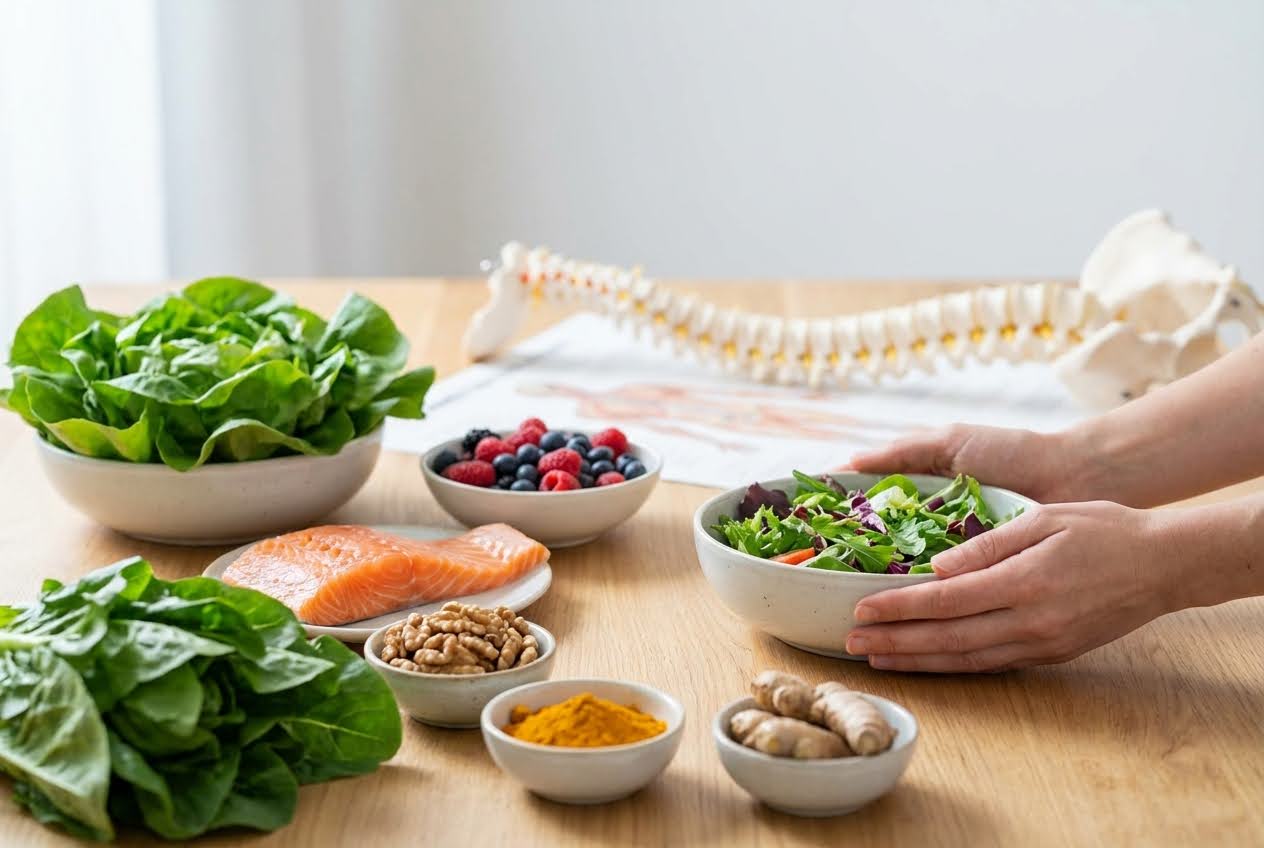 Core Principles of an Anti-Inflammatory Spine Diet
Plants contain thousands of compounds that fight inflammation. These phytonutrients give fruits and vegetables their bright colors. Dark leafy greens, colorful peppers, and deep purple berries deliver the highest concentrations. Aim for at least 5 servings of a variety of produce daily to maximize these benefits.
Most people eat far too many omega-6 fats from vegetable oils and processed foods. This imbalance promotes inflammation. Omega-3 fats from fatty fish, walnuts, and flaxseeds counter this effect. Target a ratio closer to 4:1 omega-6 to omega-3 rather than the typical 15:1 found in standard diets.
High-glycemic foods spike blood sugar rapidly. This triggers inflammatory cascades throughout your body, including your spine. Higher intakes of whole grains are associated with around 15%-25% lower likelihood of chronic spinal pain. Choose oats, quinoa, and brown rice over white bread and sugary cereals.
Your vertebrae need calcium to maintain density and resist fractures. Without enough vitamin D, your body cannot absorb calcium properly. Many adults are deficient in both nutrients. Good sources include dairy products, fortified plant milks, sardines, and moderate, safe sun exposure or supplementation as recommended by a healthcare provider.
Magnesium helps the muscles surrounding your spine relax properly. Tight muscles pull vertebrae out of alignment and compress nerves. This mineral also supports healthy nerve signaling. Find magnesium in pumpkin seeds, dark chocolate, spinach, and almonds.
Vitamin K2 directs calcium into bones rather than soft tissues. Without it, calcium deposits in the arteries instead of strengthening your spine. Protein provides the amino acids needed to build collagen, the main structural component of spinal discs. Eggs, fermented foods, and quality meats supply both nutrients.
Broccoli, cauliflower, Brussels sprouts, and cabbage contain sulforaphane. This compound activates your body's natural anti-inflammatory pathways. Eating cruciferous vegetables three to four times weekly provides meaningful protection. Lightly steam them to preserve beneficial compounds while improving digestibility.
Blueberries, blackberries, and cherries contain anthocyanins that neutralize free radicals. Oxidative stress damages spinal tissues and accelerates disc degeneration. A daily cup of mixed berries delivers powerful antioxidant protection. Frozen berries retain most nutrients and cost less than fresh options.
Turmeric's active compound, curcumin, has demonstrated anti-inflammatory effects in multiple clinical trials, though it does not fully replace standard medications. Ginger contains gingerols that block inflammatory enzymes. Combine both spices in cooking or smoothies for maximum effect. Add black pepper to turmeric dishes to boost absorption by 2,000%.
Sugar triggers immediate inflammatory responses. High-fructose corn syrup is particularly damaging because it promotes fat storage around organs and increases cytokine production. Read labels carefully since manufacturers hide sugar under dozens of names. Eliminate sodas, candy, and sweetened beverages first.
Hot dogs, bacon, and deli meats contain nitrates that convert to nitrosamines, which have been associated with oxidative stress and inflammation. These meats are also high in sodium and saturated fat. Replace them with fresh chicken, fish, or legumes. Your spine will thank you within weeks.
Trans fats directly increase inflammatory markers in blood tests. While officially banned, some processed foods still contain small amounts. Refined vegetable oils, such as soybean and corn oil, oxidize readily and promote inflammation. Cook with olive oil, avocado oil, or coconut oil instead.
Your spinal discs are approximately 70%-80% water when healthy. Dehydration causes them to shrink and lose cushioning ability. Drink adequate fluids throughout the day - roughly 2 to 3 liters for most adults, adjusting for body size and activity level. Herbal teas and water-rich foods like cucumbers and watermelon count toward this goal. Avoid excessive caffeine and alcohol since both dehydrate tissues.
Sleep quality matters too. Your discs rehydrate overnight when you lie flat. Poor sleep prevents this restoration process. Combine proper nutrition with seven to nine hours of quality rest for optimal spine health. doctronic.tech can help create personalized plans that address both dietary and lifestyle factors affecting your back pain.
Most people notice improvements within several weeks of adopting an anti-inflammatory diet. Significant changes in chronic pain levels typically occur after three months of consistent eating habits.
Whole foods provide nutrients in combinations that supplements cannot replicate. While targeted supplements help fill gaps, they should complement rather than replace a healthy diet.
Moderate dairy intake is associated with lower spinal pain rates. Choose fermented options like yogurt and kefir for additional gut health benefits that reduce systemic inflammation.
Aim for two to three servings of fatty fish weekly. Salmon, mackerel, sardines, and herring provide the highest omega-3 concentrations for anti-inflammatory effects.
Losing weight reduces mechanical stress on your spine. Combining weight loss with anti-inflammatory eating provides the greatest relief since you address both physical and chemical causes of pain.
What you eat directly impacts your spine health and pain levels. Focus on whole foods, omega-3 fats, and colorful produce while eliminating processed foods and refined sugars. For personalized guidance on managing back pain through nutrition and lifestyle changes, visit doctronic.tech for a free AI doctor consultation that remembers your health history and provides expert recommendations in seconds.
Meta Description: Learn about the 7 common and serious side effects of Airsupra and how to manage risks like oral thrush or heart issues through proper inhaler [...]
Read MoreMeta Description: Learn about 8 budesonide interactions and what to avoid when you’re taking budesonide, including grapefruit and common drugs, to ensure your treatment is [...]
Read MoreMeta Description: Learn about these 7 Xolair interactions and what to avoid when you’re taking Xolair to safely manage your asthma, chronic hives, or nasal polyp [...]
Read More