

7 Common and Serious Side Effects of Airsupra
Meta Description: Learn about the 7 common and serious side effects of Airsupra and how to manage risks like oral thrush or heart issues through proper inhaler [...]
Read MoreBack pain during early pregnancy affects about 50% to 70% of pregnant women, often starting within weeks of conception due to hormonal changes
Hormones like relaxin and progesterone loosen ligaments and joints, which can strain the lower back even before visible physical changes occur
Most first-trimester back discomfort is normal, but severe pain, fever, or bleeding alongside back pain requires immediate medical attention
Simple relief strategies include gentle stretching, proper posture, supportive footwear, and heat therapy
Consulting a healthcare provider through telehealth services like Doctronic can help determine if symptoms are typical or need further evaluation
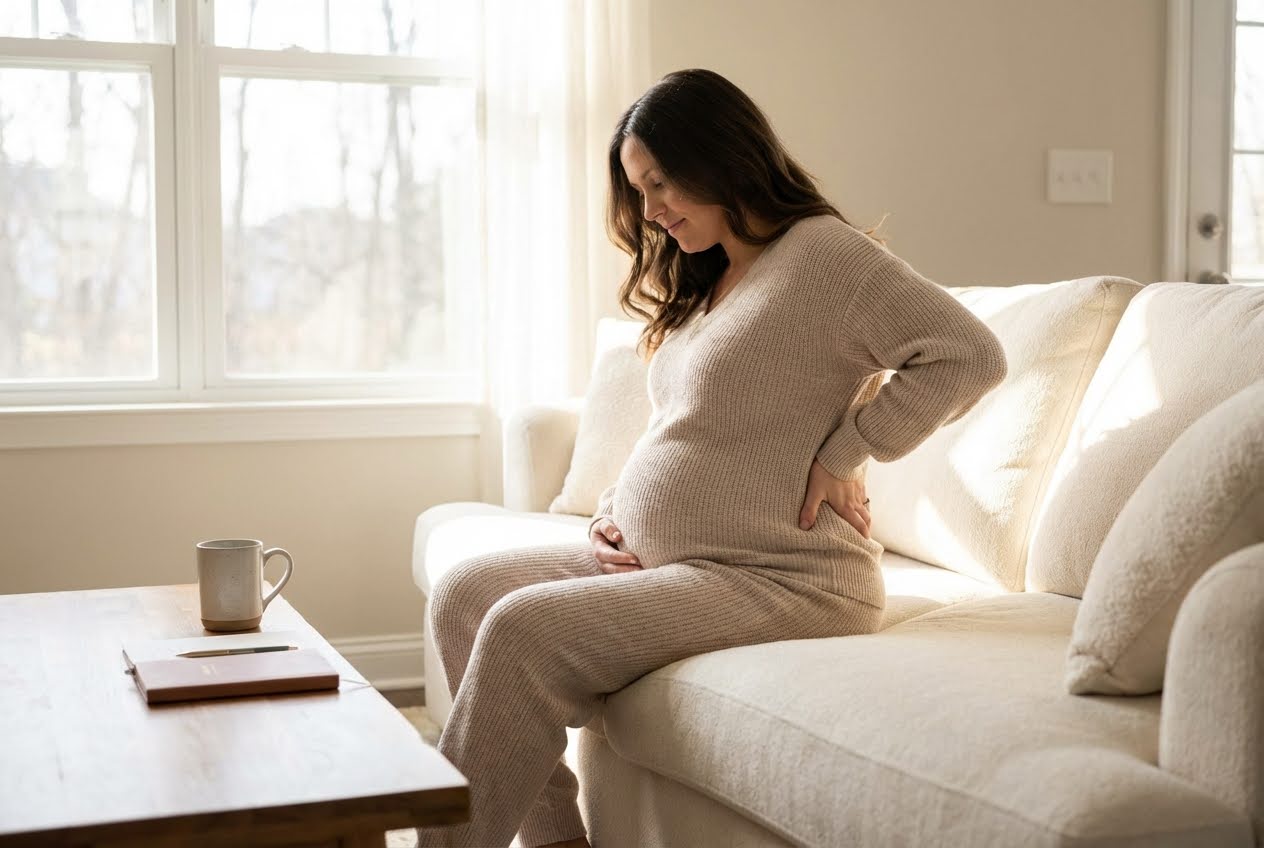
Many women are surprised when back discomfort appears just weeks after a positive pregnancy test. "I just found out I'm pregnant, how can my back already hurt?" is a common question, and the answer lies in how quickly the body begins preparing for pregnancy. Back pain in early pregnancy is not just normal: it is extremely common. Back pain affects approximately half to two-thirds of pregnant women at some point during pregnancy. The body does not wait for a visible belly to start changing.
First-trimester back pain typically begins between weeks four and eight. This timing catches many women off guard because they expect discomfort later when carrying extra weight. The pain usually presents as a dull ache in the lower back or pelvis. For some, it comes and goes throughout the day. Others experience consistent soreness that worsens with prolonged sitting or standing.
Normal early pregnancy back pain feels like muscle soreness or stiffness. It should not be sharp, stabbing, or accompanied by other concerning symptoms. Warning signs that need immediate attention include severe pain that does not improve with rest, pain combined with vaginal bleeding, fever alongside back pain, or difficulty urinating. These symptoms could indicate conditions requiring urgent care.
Understanding why back pain happens helps women manage it more effectively. Three main factors contribute to back discomfort during early pregnancy.
The hormone relaxin begins to rise within the first few weeks after conception, not flooding the body immediately. Its job is to loosen ligaments and joints in the pelvis to prepare for childbirth. The problem? Relaxin does not target only the pelvis: it affects joints throughout the body, including the spine. Early pregnancy back pain is often due to hormonal changes, particularly progesterone and relaxin, which prepare the pelvic cavity for pregnancy but can overburden the back.
Even in early pregnancy, subtle physical changes begin. The uterus begins to expand, and blood volume increases. These changes affect posture in small but meaningful ways. Women may unconsciously adjust how they stand or sit, creating new strain patterns on back muscles. The body's center of gravity shifts gradually in the second trimester, and muscles work harder to maintain balance.
Pregnancy brings emotional changes alongside physical ones. Stress and anxiety cause muscle tension, particularly in the neck, shoulders, and lower back. First-trimester worries about the pregnancy, combined with fatigue and hormonal mood swings, can create a cycle where emotional stress worsens physical discomfort.
Managing back pain during early pregnancy does not require medication in most cases. Simple home strategies provide significant relief for many women.
Movement helps more than rest for most pregnancy-related back pain. Gentle stretches targeting the lower back and hips reduce muscle tension. Cat-cow stretches, pelvic tilts, and gentle yoga poses designed for pregnancy work well. Walking for 15 to 20 minutes daily strengthens supporting muscles without strain. Swimming offers excellent low-impact exercise that takes pressure off the spine entirely.
Small changes to daily habits make a big difference. When sitting, use a chair with good lumbar support or place a small pillow behind the lower back. Keep feet flat on the floor rather than crossed. When sleeping, lie on one side with a pillow between the knees to keep the spine aligned. Avoid standing in one position for long periods: shift weight between feet or take short walking breaks.
Heat therapy relaxes tight muscles effectively. A warm bath, a heating pad on a low setting, or a warm compress applied to the lower back for 15 to 20 minutes provides relief. Some women find cold packs helpful for inflammation. Maternity support belts, even in early pregnancy, can reduce lower back strain by providing gentle abdominal support.
 Preventative Measures for Long-Term Spinal Health
Taking steps now prevents worsening pain as pregnancy progresses. Research shows that approximately 50% to 70% of women with lower back pain report that it affects their daily routine. Prevention strategies reduce this impact significantly.
Lifting incorrectly strains the back quickly. Always bend at the knees, not the waist. Keep objects close to the body when carrying them. Avoid twisting while lifting. Ask for help with heavy items rather than risking injury. These habits protect the spine throughout pregnancy and beyond.
High heels throw off posture and increase back strain. Flat shoes with good arch support keep the spine properly aligned. Athletic shoes or supportive flats work best during pregnancy. Save heels for special occasions, and even then, keep heel height under two inches.
Knowing when back pain warrants professional evaluation prevents unnecessary worry and ensures serious issues are addressed.
Seek immediate medical care if back pain comes with vaginal bleeding or spotting, fever or chills, pain during urination, or numbness in the legs or groin. Severe pain that prevents normal movement also warrants urgent attention. These symptoms could indicate infection, kidney problems, or pregnancy complications requiring treatment.
Physical therapy helps many pregnant women manage persistent back pain safely. A physical therapist can teach specific exercises and stretches tailored to pregnancy. Chiropractic care, when performed by practitioners experienced with pregnant patients, offers another option. Prenatal massage therapy also provides relief for many women. Always inform any healthcare provider about the pregnancy before treatment.
For quick answers on whether symptoms are concerning, doctronic.tech offers AI-supported symptom triage tools that connect users with licensed clinicians to help determine whether professional care is needed. This resource provides guidance based on peer-reviewed medical research, available anytime questions arise.
Back pain alone is rarely a sign of miscarriage. Most early pregnancy back pain results from normal hormonal and physical changes. Miscarriage typically involves cramping pain in the lower abdomen combined with vaginal bleeding. If back pain occurs alongside these symptoms, contact a healthcare provider immediately.
Acetaminophen is generally considered safe during pregnancy when used as directed. Avoid ibuprofen, aspirin, and naproxen unless specifically approved by a doctor. Always check with a healthcare provider before taking any medication during pregnancy, including over-the-counter options.
Back pain often increases during the second and third trimesters as the belly grows and weight increases. Starting preventive measures and good habits early helps minimize worsening. Many women find that consistent stretching and exercise keep pain manageable throughout pregnancy.
Most pregnancy-related back pain resolves within a few weeks to months after delivery. As hormone levels return to normal and the body recovers from childbirth, back discomfort typically improves. Continuing core-strengthening exercises postpartum speeds recovery.
Back pain during early pregnancy is common and usually harmless, caused by hormonal changes that begin almost immediately after conception. Simple home remedies such as gentle stretching, proper posture, and heat therapy provide relief for most women, but any severe pain or concerning symptoms warrant prompt medical attention. For personalized guidance on pregnancy symptoms, Doctronic offers secure telehealth connections with board-certified clinicians available 24/7 across the U.S.
Meta Description: Learn about the 7 common and serious side effects of Airsupra and how to manage risks like oral thrush or heart issues through proper inhaler [...]
Read MoreMeta Description: Learn about 8 budesonide interactions and what to avoid when you’re taking budesonide, including grapefruit and common drugs, to ensure your treatment is [...]
Read MoreMeta Description: Learn about these 7 Xolair interactions and what to avoid when you’re taking Xolair to safely manage your asthma, chronic hives, or nasal polyp [...]
Read More