

7 Common and Serious Side Effects of Airsupra
Understanding Airsupra Side EffectsAirsupra is a prescription inhaler used as a rescue medication to relieve asthma symptoms in adults aged 18 years and older. It is not [...]
Read MoreDeclining estrogen levels during perimenopause directly affect blood vessel flexibility, contributing to elevated blood pressure readings
Up to 30% of women develop high blood pressure before age 60, with hormonal shifts being a primary driver
Secondary symptoms like poor sleep, hot flashes, and weight gain compound the risk of hypertension
Regular home monitoring provides more accurate blood pressure data than occasional clinic visits
Lifestyle changes, including diet, exercise, and stress management, can significantly reduce blood pressure during this transition
Many women notice unexpected changes in their health during their 40s and 50s. Blood pressure readings that were once normal suddenly creep upward. This shift often catches women off guard because the connection between hormones and cardiovascular health receives little attention. The question of whether perimenopause can cause high blood pressure has a clear answer: it can contribute to higher blood pressure, but it is not the sole cause. Hormonal changes during the perimenopause transition are likely the cause of blood pressure issues. Cross-sectional data show a twofold greater incidence of hypertension in postmenopausal women compared to premenopausal women. Understanding this connection helps women take control of their health during this transition. doctronic.tech can help women track symptoms and understand what their bodies are experiencing.
Estrogen does far more than regulate reproductive cycles. This hormone keeps blood vessels flexible and responsive. It helps arteries dilate properly, allowing blood to flow with less resistance. As estrogen levels drop during perimenopause, blood vessels become stiffer. They lose their ability to expand and contract efficiently. This stiffness forces the heart to pump harder, raising blood pressure. The protective effect estrogen provides against arterial plaque also diminishes, creating a double impact on cardiovascular health.
Progesterone levels swing wildly during perimenopause. These fluctuations trigger the body to hold onto more fluid. Extra fluid in the bloodstream increases blood volume. More volume means higher pressure on the arterial walls. Women often notice puffiness in their hands, feet, and face during this time. This visible swelling reflects what's happening internally to blood pressure.
The body's response to sodium changes as hormones shift. Women in perimenopause often become more salt-sensitive than they were in their younger years. The same amount of dietary sodium that once had minimal effect now causes noticeable blood pressure spikes. Reducing salt intake becomes more important during this life stage than it was before.
Night sweats and insomnia plague many perimenopausal women. Poor sleep quality triggers the release of cortisol, the stress hormone. Elevated cortisol levels cause blood vessels to constrict and blood pressure to rise. Chronic sleep deprivation creates a cycle where the body stays in a heightened stress state. doctronic.tech can help women identify patterns between their sleep quality and other symptoms.
Hot flashes represent more than just uncomfortable warmth. Each episode activates the autonomic nervous system, which controls involuntary functions like heart rate and blood pressure. During a hot flash, blood vessels rapidly dilate and then constrict. This repeated stress on the cardiovascular system contributes to blood pressure instability. Women who experience frequent or severe hot flashes face a higher risk of hypertension.
Hormonal shifts slow metabolism and change where the body stores fat. Many women gain weight around their midsection during perimenopause, even without changing their eating habits. Abdominal fat is particularly problematic for blood pressure because it releases inflammatory compounds. Research confirms that around one-third of women develop high blood pressure before age 60, with weight gain being a significant contributor.
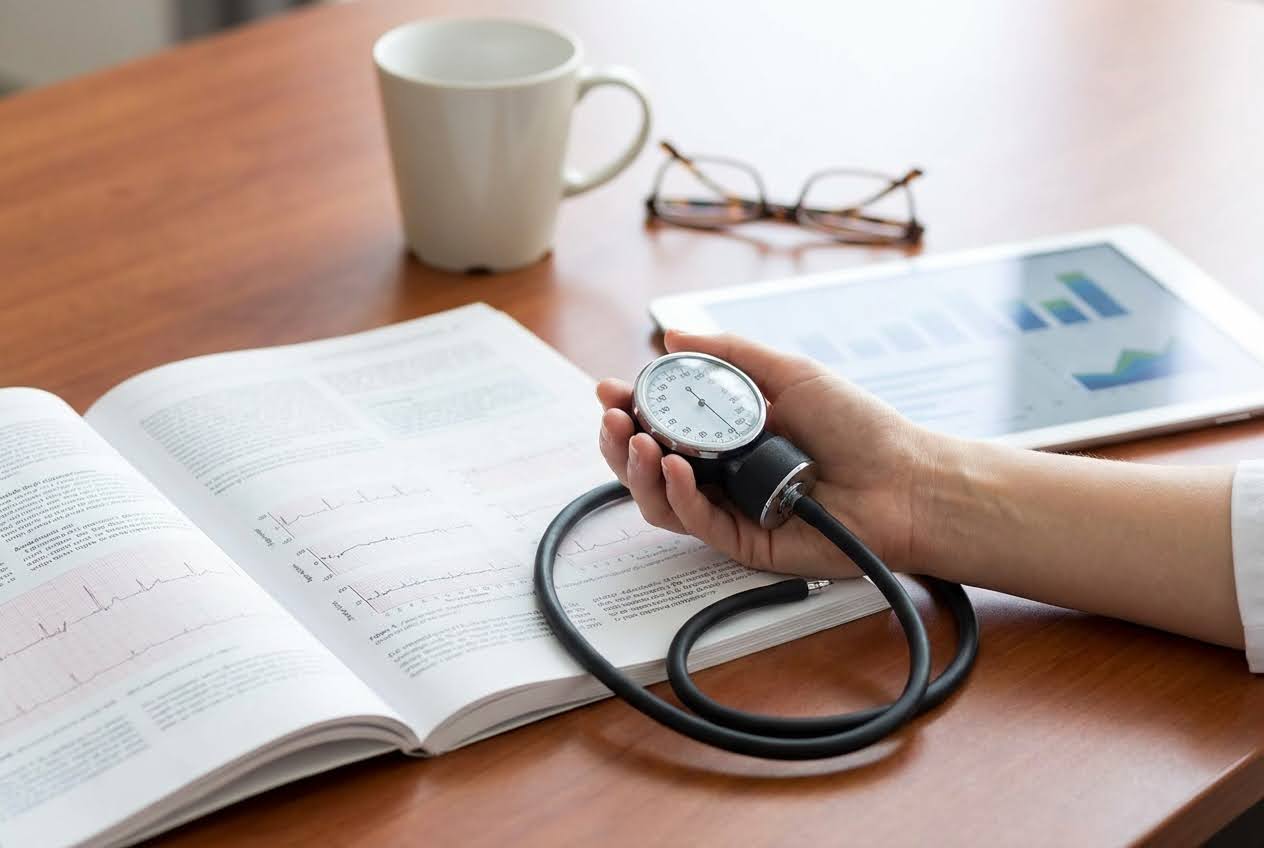 Identifying Signs of High Blood Pressure During the Transition
High blood pressure rarely announces itself with obvious symptoms. Most women feel completely normal even when their readings are dangerously elevated. Occasional headaches or fatigue might occur, but are easily attributed to other perimenopause symptoms. This silent nature makes regular monitoring essential. Waiting for symptoms to appear before checking blood pressure is a mistake that puts cardiovascular health at risk.
White coat syndrome affects many women. Blood pressure taken in a doctor's office often reads higher due to anxiety. Home monitoring provides a more accurate picture of daily blood pressure patterns. Taking readings at the same time each day, while seated and relaxed, yields the most useful data. Keeping a log of these readings helps identify trends and provides valuable information for healthcare providers.
The DASH diet works particularly well for perimenopausal women. This eating pattern emphasizes fruits, vegetables, whole grains, and lean proteins while limiting sodium and processed foods. Potassium-rich foods like bananas, sweet potatoes, and leafy greens help counteract sodium's effects on blood pressure. Reducing alcohol and caffeine also supports healthier readings. Small, consistent dietary changes produce better results than dramatic overhauls that are hard to maintain.
Chronic stress keeps blood pressure elevated around the clock. Mind-body practices like yoga, meditation, and deep breathing exercises activate the parasympathetic nervous system. This activation counteracts the stress response and lowers blood pressure. Even 10 minutes of daily practice makes a measurable difference. Finding stress reduction methods that fit into daily life matters more than choosing the "perfect" technique.
Aerobic exercise strengthens the heart and improves blood vessel function. Aim for at least 150 minutes of moderate activity per week. Walking, swimming, cycling, and dancing all count. Strength training twice weekly also helps by improving metabolism and body composition. Exercise provides the added benefit of improving sleep quality and reducing hot flash frequency.
HRT does not directly stabilize blood pressure for most women but can improve vascular health indirectly by alleviating other menopausal symptoms. The relationship between HRT and blood pressure is complex and individual. Some women see improvement while others experience increased readings. A thorough evaluation of personal health history and risk factors guides this decision. doctronic.tech offers resources to help women prepare for conversations with their healthcare providers about treatment options.
When lifestyle changes aren't enough, medication may be necessary. Several classes of blood pressure drugs work well for perimenopausal women. ACE inhibitors and calcium channel blockers are common choices. The right medication depends on individual health factors and other symptoms being experienced. Regular follow-up ensures the chosen treatment continues working as the body changes through this transition.
Blood pressure typically does not automatically decrease after menopause is complete. The vascular changes that occurred during perimenopause often persist. Continued lifestyle management and sometimes medication remain necessary to maintain healthy readings.
Blood pressure changes can develop gradually over months or occur more rapidly during periods of intense hormonal fluctuation. Some women notice changes within weeks of experiencing other perimenopause symptoms.
Certain hormonal contraceptives can raise blood pressure in some women. Those already experiencing perimenopausal blood pressure changes should discuss alternative options with their healthcare provider.
Any consistent reading at or above 130/80 mmHg warrants medical attention. Readings above 180/120 mmHg require immediate care regardless of symptoms.
Some supplements, like magnesium and omega-3 fatty acids, show modest benefits. These should complement rather than replace proven lifestyle interventions and medical treatment when needed.
Perimenopause can absolutely contribute to high blood pressure through declining estrogen, sleep disruption, and metabolic changes. Women experiencing this transition should monitor their blood pressure regularly and adopt heart-healthy lifestyle habits. For personalized guidance and 24/7 access to medical expertise, visit doctronic.tech to connect with healthcare professionals who understand women's health during this important life stage.
Understanding Airsupra Side EffectsAirsupra is a prescription inhaler used as a rescue medication to relieve asthma symptoms in adults aged 18 years and older. It is not [...]
Read MoreUnderstanding Budesonide Interactions for Safe UsageBudesonide is a corticosteroid medication used to treat conditions like asthma, Crohn's disease, and ulcerative [...]
Read MoreUnderstanding Xolair Interactions for Safe UsageXolair (omalizumab) treats severe allergic asthma, chronic hives, and nasal polyps. When starting this medication, patients [...]
Read More