

7 Common and Serious Side Effects of Airsupra
Meta Description: Learn about the 7 common and serious side effects of Airsupra and how to manage risks like oral thrush or heart issues through proper inhaler [...]
Read MoreBetween 20% and 54% of women experience heart palpitations during menopause, making this a common but often misunderstood symptom
Fluctuating and declining estrogen levels can influence heart rhythm regulation, triggering the fluttering or racing sensations many women report
Hot flashes, stress, caffeine, alcohol, and poor sleep can all worsen menopausal palpitations
Most hormonal palpitations are harmless, but certain warning signs require immediate medical evaluation
Treatment options range from hormone replacement therapy to lifestyle changes and stress reduction techniques
doctronic.tech offers 24/7 AI-powered consultations to help women understand their symptoms and determine next steps
That sudden flutter in your chest at 2 a.m. isn't your imagination. Can menopause cause heart palpitations? Absolutely. Between 20% and 54% of women experience heart palpitations during menopause, yet many women never connect these episodes to hormonal changes. They visit cardiologists, undergo extensive testing, and leave confused when results come back normal.
The truth is straightforward: your heart and your hormones are deeply connected. As estrogen levels fluctuate and eventually decline during perimenopause and menopause, your cardiovascular system feels the impact. This doesn't mean something is wrong with your heart. It means your body is adjusting to a new hormonal reality. Understanding this connection helps women stop worrying unnecessarily and know when symptoms warrant medical attention.
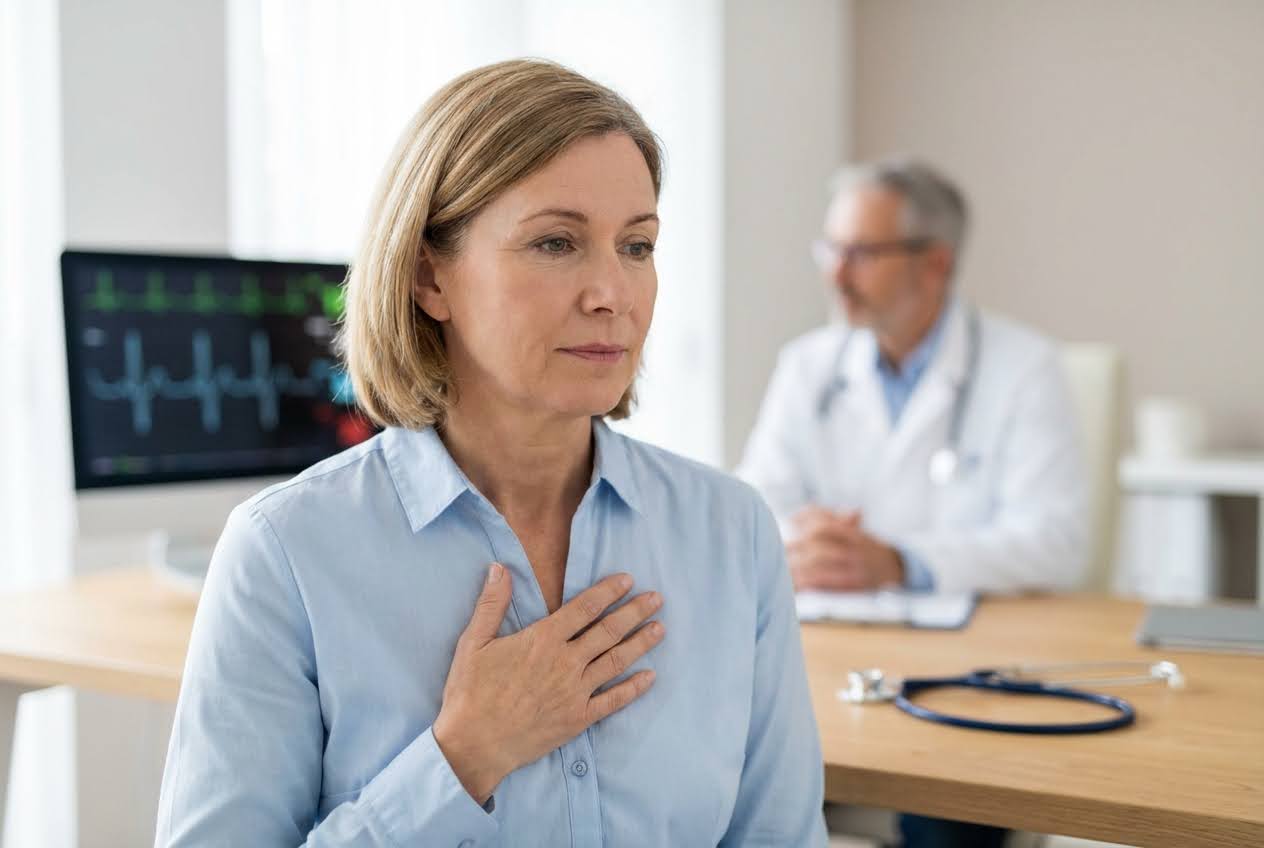 Understanding the Link Between Menopause and Heart Palpitations
Women describe menopausal palpitations in various ways. Some feel their heart racing for no apparent reason. Others notice a fluttering sensation, like a bird trapped in their chest. Skipped beats are common, too, where the heart seems to pause before thumping back into rhythm.
33% of women aged 40-59 reported mild palpitations, 30% reported moderate palpitations, and 11% reported severe palpitations. These episodes often strike at night or during hot flashes, lasting anywhere from a few seconds to several minutes.
Estrogen does far more than regulate reproductive functions. It helps maintain the electrical system that keeps your heart beating steadily. When estrogen levels drop, the heart's electrical signals can become slightly erratic.
Estrogen also supports vascular health and influences the autonomic nervous system, which helps regulate heart rate variability. Lower levels can alter vascular tone and stress responses, which may contribute to palpitations in some women.
Hot flashes and palpitations often arrive together. This isn't a coincidence. Both result from the autonomic nervous system adjusting to fluctuating hormones. During a hot flash, the body's temperature regulation becomes temporarily unstable, triggering a cascade of responses including increased heart rate.
The sympathetic nervous system activates as if responding to a threat, even though none exists. Heart rate spikes, blood vessels dilate, and that familiar rush of heat spreads across the face and chest. For many women, palpitations become the warning sign that a hot flash is about to hit.
Menopause doesn't happen in isolation. Women in their 40s and 50s often juggle demanding careers, aging parents, teenage children, and relationship changes. Add hormonal mood swings to this mix, and stress levels can skyrocket.
Anxiety directly triggers palpitations through the release of stress hormones like cortisol and adrenaline. These hormones prepare the body for action, increasing heart rate and blood pressure. When anxiety becomes chronic, the heart stays in a heightened state of alertness, making palpitations more frequent.
That extra cup of coffee to combat menopausal fatigue might be backfiring. Caffeine stimulates the nervous system and can trigger palpitations, especially in women whose hormonal changes have already made their hearts more sensitive.
Alcohol presents similar problems. Many women notice palpitations after even moderate drinking. Sleep deprivation, extremely common during menopause due to night sweats and insomnia, further destabilizes the heart rhythm. While menopause can cause heart palpitations, other factors like lack of sleep, stress, dehydration, caffeine, thyroid dysfunction, or underlying heart rhythm disorders should also be considered.
Not every palpitation is harmless. Certain symptoms require urgent evaluation:
Chest pain or pressure accompanying palpitations
Shortness of breath that doesn't resolve quickly
Fainting or near-fainting episodes
Palpitations lasting longer than a few minutes
Episodes occurring during physical exertion
Women with a family history of heart disease should be especially vigilant. doctronic.tech can help assess symptoms quickly and determine whether immediate medical care is needed or whether watchful waiting is appropriate.
When palpitations persist, doctors typically order several tests. An electrocardiogram captures the heart's electrical activity during a brief office visit. Holter monitors record heart rhythm over 24-48 hours, catching irregularities that might not appear during a short appointment.
Blood tests check thyroid function, since both overactive and underactive thyroid conditions cause palpitations. Doctors may also order an echocardiogram to examine the heart structure. Most menopausal women receive reassuring results from these tests.
For women with severe menopausal symptoms, hormone replacement therapy often reduces palpitations significantly. By stabilizing estrogen levels, HRT calms the autonomic nervous system and reduces the frequency of both hot flashes and heart rhythm disturbances.
HRT is not suitable for everyone and should be prescribed after a personalized risk-benefit assessment, especially considering updated 2024 guidelines emphasizing cardiovascular and breast cancer risk evaluation.
Simple changes often make a meaningful difference. Reducing caffeine and alcohol intake helps many women. Staying well-hydrated supports stable blood pressure and heart rhythm. Some women find that phytoestrogens from soy products provide mild relief.
Magnesium- and potassium-rich foods may help maintain heart rhythm, but supplementation should be done only under medical advice to avoid imbalances. Cold water can sometimes stop a palpitation episode by triggering the vagus nerve. Regular, moderate exercise strengthens the cardiovascular system and improves hormone balance.
Stress management isn't optional during menopause. Deep breathing exercises activate the parasympathetic nervous system, slowing heart rate and reducing the frequency of palpitations. Regular meditation practice builds resilience against stress triggers.
Yoga combines physical movement with breath work, addressing both the physical and emotional aspects of menopausal symptoms. Even five minutes of focused breathing during a palpitation episode can help restore normal rhythm.
The years following menopause bring increased cardiovascular risk for women. The protective effects of estrogen diminish, underscoring the importance of heart health. Women who experience frequent palpitations during menopause should view this as a reminder to prioritize their cardiovascular system.
Regular exercise, a heart-healthy diet, maintaining a healthy weight, and managing blood pressure and cholesterol become essential. Annual checkups should include cardiovascular assessments. The palpitations themselves usually decrease as hormones stabilize post-menopause, but the habits formed during this transition period shape long-term health outcomes.
Most menopausal palpitations are harmless and result from hormonal fluctuations rather than heart disease. They typically resolve as hormones stabilize after menopause. Concerning symptoms like chest pain, fainting, or prolonged episodes, warrant medical evaluation.
Individual episodes usually last from a few seconds to a few minutes. The overall symptom pattern may persist throughout perimenopause and into early menopause, typically improving within a few years as hormone levels stabilize.
Yes, several techniques help. Splashing cold water on your face, taking slow, deep breaths, or bearing down as if having a bowel movement can stimulate the vagus nerve and restore normal rhythm. Lying down and relaxing often helps too.
Moderate regular exercise generally helps reduce palpitations over time by improving cardiovascular tone and stress regulation. Avoid intense exercise during an active episode, but don't eliminate physical activity from your routine.
Consult a healthcare provider if palpitations are frequent, accompanied by other symptoms, or cause significant anxiety. doctronic.tech offers convenient 24/7 consultations to help evaluate symptoms and guide next steps.
Menopause commonly causes heart palpitations due to declining estrogen levels and their effects on the cardiovascular system. While usually harmless, women should know the warning signs that require medical attention and explore management options ranging from lifestyle changes to hormone therapy. For quick answers about your symptoms, visit doctronic.tech for AI-powered medical guidance available around the clock.
Meta Description: Learn about the 7 common and serious side effects of Airsupra and how to manage risks like oral thrush or heart issues through proper inhaler [...]
Read MoreMeta Description: Learn about 8 budesonide interactions and what to avoid when you’re taking budesonide, including grapefruit and common drugs, to ensure your treatment is [...]
Read MoreMeta Description: Learn about these 7 Xolair interactions and what to avoid when you’re taking Xolair to safely manage your asthma, chronic hives, or nasal polyp [...]
Read More