

7 Common and Serious Side Effects of Airsupra
Meta Description: Learn about the 7 common and serious side effects of Airsupra and how to manage risks like oral thrush or heart issues through proper inhaler [...]
Read MoreApproximately 30% to 50% of women experience vaginal dryness during menopause, making lubricant selection a critical health decision
Water-based lubricants work best for sensitive tissue, while silicone-based options provide longer-lasting comfort
Avoid products containing parabens, high-glycerin content, and harsh fragrances that can worsen irritation
Lubricants provide immediate relief during intimacy, while moisturizers offer daily hydration for ongoing comfort
Consulting a healthcare provider through services like doctronic.tech helps identify the right solution for individual needs
Vaginal dryness affects roughly half of all women going through menopause, yet many suffer in silence because they feel embarrassed to discuss it. This discomfort impacts everything from daily activities to intimate relationships, and finding the right lubricant can restore both physical comfort and confidence. The vaginal moisturizers and lubricants market continues to grow steadily, reflecting the rising number of women seeking safe, effective solutions for vaginal dryness and discomfort. This trend highlights how common these symptoms are and how important accessible treatment options have become. The best lubricant for menopause dryness depends on individual needs, sensitivities, and lifestyle factors. Understanding what causes this condition and which products actually work makes choosing the right option much simpler.
Estrogen does more than regulate the menstrual cycle. This hormone maintains the vaginal lining, keeping tissues thick, elastic, and naturally lubricated. When estrogen levels drop during perimenopause and menopause, vaginal walls become thinner and produce less moisture. The medical term for this condition is genitourinary syndrome of menopause (GSM), and it affects tissue throughout the entire urogenital area. Unlike hot flashes that often improve over time, vaginal dryness typically worsens without intervention.
Dryness manifests in several uncomfortable ways. Burning, itching, and general irritation become daily annoyances. Pain during intercourse, called dyspareunia, causes many women to avoid intimacy altogether. Light bleeding after sex, increased urinary tract infections, and a persistent feeling of discomfort signal that vaginal tissue needs support. These symptoms range from mild inconvenience to severe disruption of quality of life.
Experts from The North American Menopause Society recommend water-based lubricants as the first choice for menopausal women. These products cause less irritation than other types and wash away easily. They work well with condoms and silicone toys, making them versatile options. The main drawback is that water-based formulas dry out faster and may need reapplication during longer intimate sessions. For women with highly sensitive tissue, water-based lubricants with minimal ingredients offer the gentlest relief.
Silicone lubricants stay slippery much longer than water-based alternatives. They create a protective barrier over delicate tissue, which many menopausal women find soothing. These products work well in water, making them ideal for shower or bath intimacy. One important consideration: silicone lubricants can damage silicone toys and should not be used together. They also require soap and water for removal rather than rinsing away on their own.
Coconut oil, vitamin E oil, and other natural oils have gained popularity as lubricant alternatives. These options appeal to women seeking chemical-free solutions and provide excellent moisture. Oil-based products should never be used with latex condoms because they cause breakage. Some women also find that oils disrupt their natural vaginal flora, leading to infections. Testing any oil-based product carefully before regular use helps identify potential reactions.
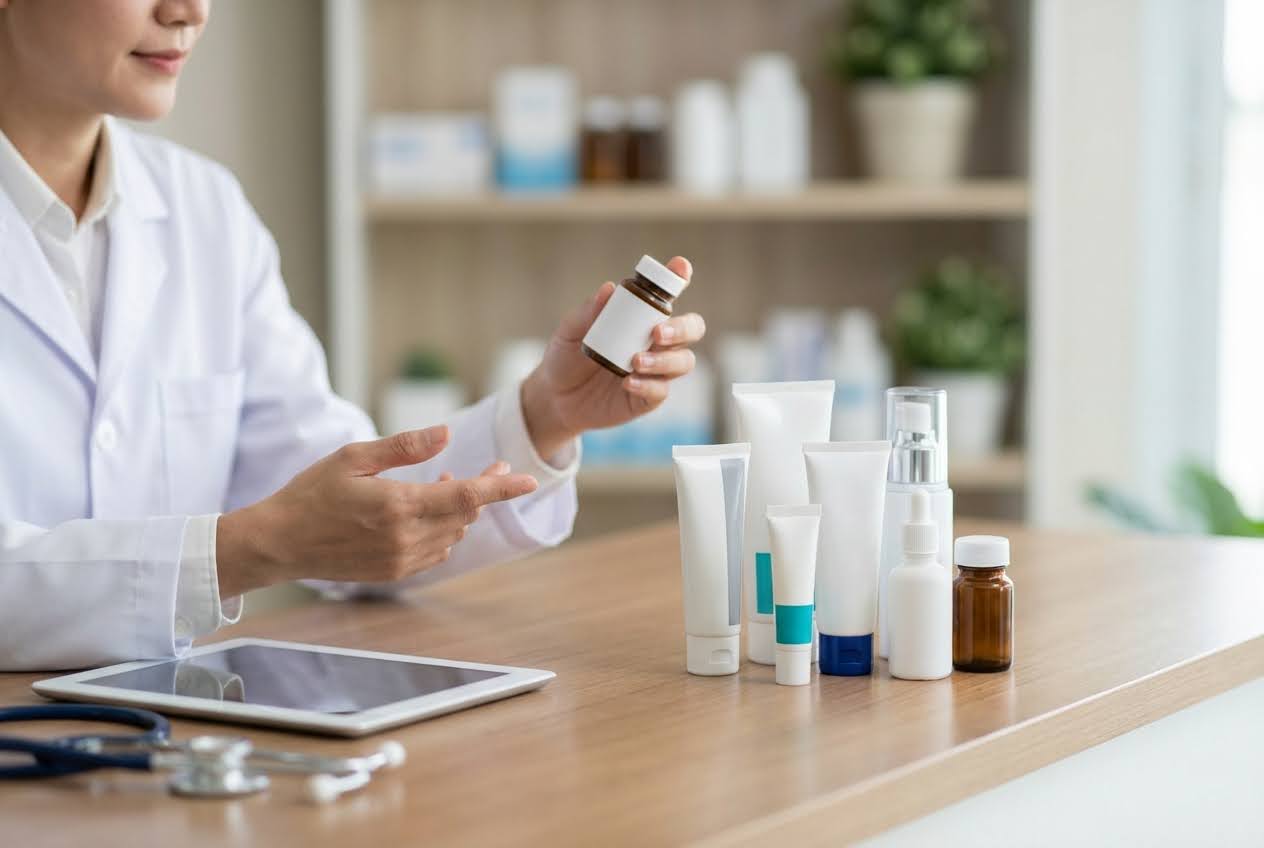 Key Ingredients to Seek and Avoid
Hyaluronic acid holds up to 1,000 times its weight in water molecules, making it a powerful hydrating ingredient. Lubricants containing hyaluronic acid help tissue retain moisture longer and support the healing of irritated areas. Aloe vera provides soothing relief and reduces inflammation. Vitamin E nourishes delicate skin and promotes tissue repair. Looking for products with these ingredients increases the chance of finding effective relief.
Many commercial lubricants contain ingredients that actually worsen vaginal irritation. Parabens act as preservatives, but current research shows limited evidence of hormonal disruption at the concentrations used in topical lubricants. Glycerin, a common humectant, can promote yeast growth and lead to infections in some women. Artificial fragrances and flavors often contain chemicals that burn or sting already compromised tissue. Checking ingredient labels and choosing products specifically formulated for sensitive or menopausal users prevents additional problems.
Healthy vaginal pH ranges from 3.8 to 4.5, and products outside this range can disrupt the natural environment. Lubricants with proper pH balance support beneficial bacteria and reduce infection risk. Osmolality measures how concentrated a solution is compared to body fluids. Products with very high osmolality draw water out of cells, worsening dryness and irritation. The World Health Organization recommends lubricants with osmolality below 1,200 mOsm/kg for vaginal use and ideally under 380 mOsm/kg for optimal comfort.
Lubricants provide temporary slipperiness during intimate moments. They reduce friction and make intercourse more comfortable, but do not treat the underlying tissue changes. Apply lubricants right before sexual activity and reapply as needed. These products address symptoms in the moment but do not provide lasting benefits between uses.
Vaginal moisturizers work differently from lubricants. Applied regularly, usually every few days, they absorb into vaginal tissue and provide ongoing hydration. Consistent use of vaginal moisturizers improves the elasticity and suppleness of vaginal tissue after menopause. Many women benefit from using both products: moisturizers for daily comfort and lubricants during intimacy. doctronic.tech can help women understand which combination suits their specific situation.
Start by identifying the primary concern. Women experiencing discomfort mainly during sex may need only a quality lubricant. Those with constant irritation and dryness benefit from adding a moisturizer to their routine. Consider any allergies or sensitivities when reviewing ingredient lists. Trial and error often plays a role because individual responses vary widely.
Budget matters too. Premium products with specialized ingredients cost more but may provide better results. Generic water-based lubricants work well for many women and cost significantly less. Reading reviews from other menopausal women offers real-world insights that ingredient lists cannot provide.
Persistent symptoms despite the use of lubricants and moisturizers warrant medical attention. Healthcare providers can prescribe vaginal estrogen, which directly addresses tissue atrophy rather than just symptoms. Unusual discharge, bleeding, or pain may indicate conditions beyond simple dryness. Women unsure which products to try can get personalized guidance through telehealth services like doctronic.tech, where providers offer convenient consultations about intimate health concerns.
Most vaginal moisturizers work best when applied two to three times per week. Consistent use produces better results than occasional application. Following product directions ensures optimal effectiveness.
Some lubricants containing glycerin or sugar-based ingredients can promote yeast overgrowth. Choosing glycerin-free formulas reduces this risk significantly.
Natural oils like coconut oil work for some women, but should never be used with latex condoms. Some women experience infections from oil-based products, so careful testing is important.
Women who find no relief from over-the-counter products after several weeks should discuss prescription options with a healthcare provider. Vaginal estrogen and other treatments address underlying tissue changes.
Yes, lubricants have expiration dates and should be replaced when expired. Using outdated products increases infection risk and reduces effectiveness.
Finding the best lubricant for menopausal dryness requires understanding personal needs and product differences. Water-based options suit most women, while silicone provides longer-lasting relief. Avoiding harmful ingredients and consulting healthcare providers through doctronic.tech ensures the safest, most effective choice.
Meta Description: Learn about the 7 common and serious side effects of Airsupra and how to manage risks like oral thrush or heart issues through proper inhaler [...]
Read MoreMeta Description: Learn about 8 budesonide interactions and what to avoid when you’re taking budesonide, including grapefruit and common drugs, to ensure your treatment is [...]
Read MoreMeta Description: Learn about these 7 Xolair interactions and what to avoid when you’re taking Xolair to safely manage your asthma, chronic hives, or nasal polyp [...]
Read More