

7 Common and Serious Side Effects of Airsupra
Meta Description: Learn about the 7 common and serious side effects of Airsupra and how to manage risks like oral thrush or heart issues through proper inhaler [...]
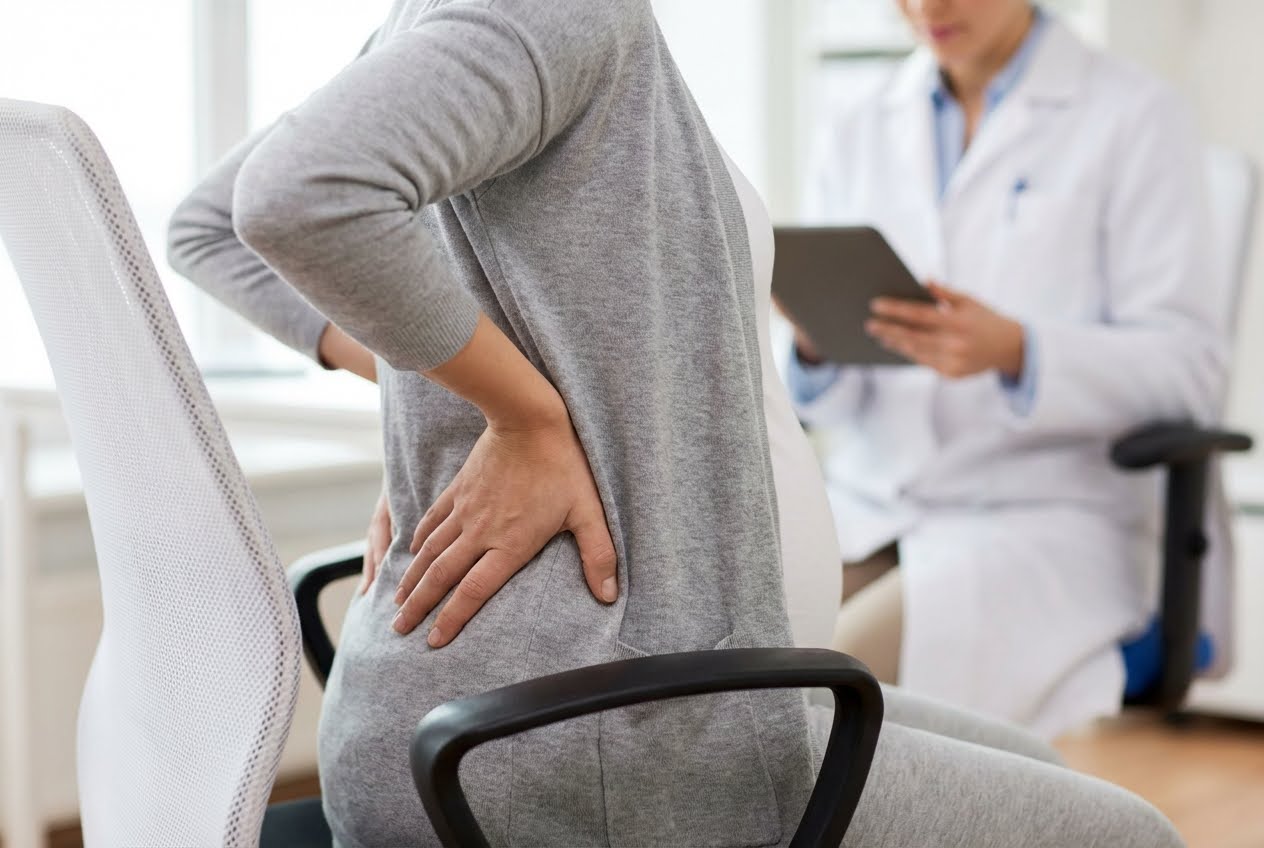
Read MoreBack pain affects 50-60% of pregnant women during the third trimester, caused by hormonal changes, weight shifts, and muscle separation
Sciatica and pelvic girdle pain require different treatment approaches than general lower back discomfort
Safe relief options include gentle stretching, proper sleep positioning, heat therapy, and maternity support belts
Rhythmic back pain that comes and goes may signal preterm labor and requires immediate medical attention
doctronic.tech offers 24/7 access to medical guidance when questions arise between prenatal appointments
The final months of pregnancy bring significant physical changes. Back pain during the third trimester affects approximately 50-60% of all pregnancies, making it one of the most common complaints OB-GYNs hear. Understanding why this happens helps women find the right relief strategies.
Pregnancy hormones do more than support a growing baby. Increased levels of relaxin during pregnancy relax the joints and muscles to accommodate the growing uterus and enhance flexibility in your pelvis so the baby can pass through the birth canal more easily. However, this can also cause pain. This loosening affects the entire spine, not just the pelvis. The sacroiliac joints become less stable, and the lower back loses some of its natural support structure.
A pregnant belly changes everything about how a woman stands and moves. The body's center of gravity shifts forward, forcing the lower back to curve more deeply to compensate. This exaggerated curve, called lordosis, puts constant strain on back muscles. Many women unconsciously lean backward to counterbalance the belly weight, which only increases spinal stress.
The rectus abdominis muscles run vertically down the front of the abdomen. As the uterus expands, these muscles can separate along the midline. This condition, called diastasis recti, significantly weakens core support. Without strong abdominal muscles to share the load, the back muscles work overtime. doctronic.tech can help women understand whether their symptoms might indicate diastasis recti or another condition.
Not all third-trimester discomfort is the same. Knowing the difference between general back pain, pelvic girdle pain, and sciatica helps women seek appropriate treatment.
Pelvic girdle pain centers around the front and back of the pelvis rather than the spine itself. Women with PGP often feel pain in the pubic bone area, the sides of the lower back near the hips, or deep in the buttocks. The pain typically worsens with activities like climbing stairs, standing on one leg, or turning over in bed. PGP specifically affects the sacroiliac joints and the pubic symphysis.
Sciatica produces a distinct shooting or burning pain that travels down one leg. The sciatic nerve runs from the lower back through the buttocks and down each leg. When the growing uterus or the baby's position compresses this nerve, women experience numbness, tingling, or sharp pain radiating below the knee. True sciatica typically affects only one side and may cause weakness in the affected leg.
Most third-trimester back pain responds well to conservative home treatments. These strategies provide relief without medication.
Gentle exercise, such as walking, swimming, and stationary cycling, is considered safe for most pregnant women and can help strengthen back and leg muscles. Cat-cow stretches, pelvic tilts, and prenatal yoga poses specifically target the muscles that support the lower back. Swimming takes weight off the spine entirely while building strength.
Side sleeping with a pillow between the knees keeps the spine aligned and reduces hip strain. A pillow under the belly provides additional support. Some women find relief with a full-body pregnancy pillow that supports the back, belly, and legs simultaneously. Sleeping on the left side improves circulation to the baby and may reduce swelling.
Heat relaxes tight muscles and increases blood flow to sore areas. A warm bath, heating pad, or warm towel applied to the lower back for 15-20 minutes can provide significant relief. Cold therapy works better for inflammation. Alternating between heat and cold often produces the best results. Always place a barrier between ice packs and skin to prevent burns.
 Ergonomics and Supportive Gear for the Third Trimester
The right equipment makes daily activities more manageable during late pregnancy.
Maternity support belts wrap around the belly and lower back, helping lift some of the weight off the spine. These belts redistribute pressure and stabilize loosened joints. Women who spend long periods standing or walking often find immediate relief with proper support belts. The belt should feel snug but not restrictive.
High heels increase the lower back curve and throw off balance. Flat shoes without arch support can cause problems. The best pregnancy footwear has a low, wide heel and good arch support. Many women go up up to one full shoe size during pregnancy due to swelling, so properly fitting shoes matter more than ever.
When home remedies fall short, professional treatment offers additional options.
Prenatal massage therapists know how to position pregnant clients safely and which techniques to avoid. Massage reduces muscle tension, improves circulation, and provides stress relief. Physical therapists create customized exercise programs that address specific weaknesses or imbalances. They can also teach proper body mechanics for lifting, bending, and carrying. doctronic.tech can help women determine whether their symptoms warrant professional evaluation.
Chiropractors trained in prenatal care use gentle techniques to address spinal misalignment. The Webster technique specifically targets pelvic balance during pregnancy. Acupuncture has shown promise for pregnancy-related back pain in several studies. Both treatments are generally considered safe during pregnancy when performed by qualified practitioners who specialize in prenatal care. Women with high-risk pregnancies or bleeding disorders should consult their obstetric provider before undergoing these therapies.
In about 15-20% of pregnant individuals, back pain can become severe. Some types of back pain require immediate medical attention.
Labor contractions don't always feel like belly tightening. Some women experience labor primarily as lower back pain that comes in waves. If back pain follows a regular pattern, occurring every few minutes and increasing in intensity, it may indicate preterm labor. Timing these episodes helps medical providers assess the situation.
Seek emergency care for back pain accompanied by vaginal bleeding, fluid leaking, fever, or pain during urination. Sudden severe pain that doesn't respond to position changes warrants evaluation. Numbness in the groin area or loss of bladder control suggests nerve compression requiring urgent treatment. When uncertain whether symptoms are serious, err on the side of caution.
Yes, back pain affects most pregnant women during the final months of pregnancy. The combination of hormonal changes, weight gain, and postural shifts makes some discomfort almost universal. Pain that interferes with daily activities or sleep deserves medical attention.
Contact your healthcare provider if pain is severe, rhythmic, or accompanied by bleeding, fever, or fluid leakage. Numbness, tingling extending below the knee, or bladder problems also require prompt evaluation.
Acetaminophen is generally considered safe during pregnancy when used as directed. Nonsteroidal anti-inflammatory drugs (NSAIDs) such as ibuprofen and naproxen should be avoided, especially after 20 weeks of gestation, due to potential effects on fetal kidneys and heart. Always consult your healthcare provider before taking any medication.
Sleep on your side with a pillow between your knees and under your belly. A firm mattress provides better support than a soft one. Some women find relief by sleeping slightly elevated.
Back pain during the third trimester affects most pregnant women but responds well to stretching, proper support, and positioning changes. Rhythmic back pain or pain with bleeding requires immediate medical evaluation to rule out preterm labor.
For questions about pregnancy symptoms between appointments, doctronic.tech provides 24/7 AI-powered medical guidance and affordable telehealth visits with real doctors in all 50 states.
Meta Description: Learn about the 7 common and serious side effects of Airsupra and how to manage risks like oral thrush or heart issues through proper inhaler [...]
Read MoreMeta Description: Learn about 8 budesonide interactions and what to avoid when you’re taking budesonide, including grapefruit and common drugs, to ensure your treatment is [...]
Read MoreMeta Description: Learn about these 7 Xolair interactions and what to avoid when you’re taking Xolair to safely manage your asthma, chronic hives, or nasal polyp [...]
Read More