

7 Common and Serious Side Effects of Airsupra
Meta Description: Learn about the 7 common and serious side effects of Airsupra and how to manage risks like oral thrush or heart issues through proper inhaler [...]
Read MoreAbout 60% of women with period pain also experience back pain, making it one of the most common menstrual symptoms
Prostaglandins cause uterine contractions that can radiate pain to the lower back through shared nerve pathways
Heat therapy, anti-inflammatory medications, and gentle stretching offer quick relief at home
Conditions like endometriosis, fibroids, and adenomyosis can cause severe back pain that needs medical attention
Lifestyle changes, including diet, hydration, and sleep position, can reduce monthly discomfort
That dull, throbbing ache in your lower back that shows up like clockwork every month? You're not imagining it. Back pain during your period affects roughly 60% of women who experience menstrual cramps, yet many women dismiss it as something they just have to endure. They're wrong. Understanding why this happens opens the door to real solutions that actually work. Whether the pain is mild or sends you straight to bed, there are clear reasons behind it and proven ways to find relief. doctronic.tech helps millions of people understand symptoms like these through AI-powered consultations that provide answers in seconds.
The connection between your menstrual cycle and lower back discomfort isn't random. Your body goes through specific chemical changes that directly affect muscles and nerves far beyond your uterus.
Prostaglandins are hormone-like chemicals your body produces to trigger uterine contractions during your period. These contractions help shed the uterine lining, but they come with a cost. When prostaglandin levels run high, contractions become stronger and more painful. The uterus essentially squeezes harder than necessary, and that intense muscle activity doesn't stay contained. The pain spreads outward, often settling into the lower back.
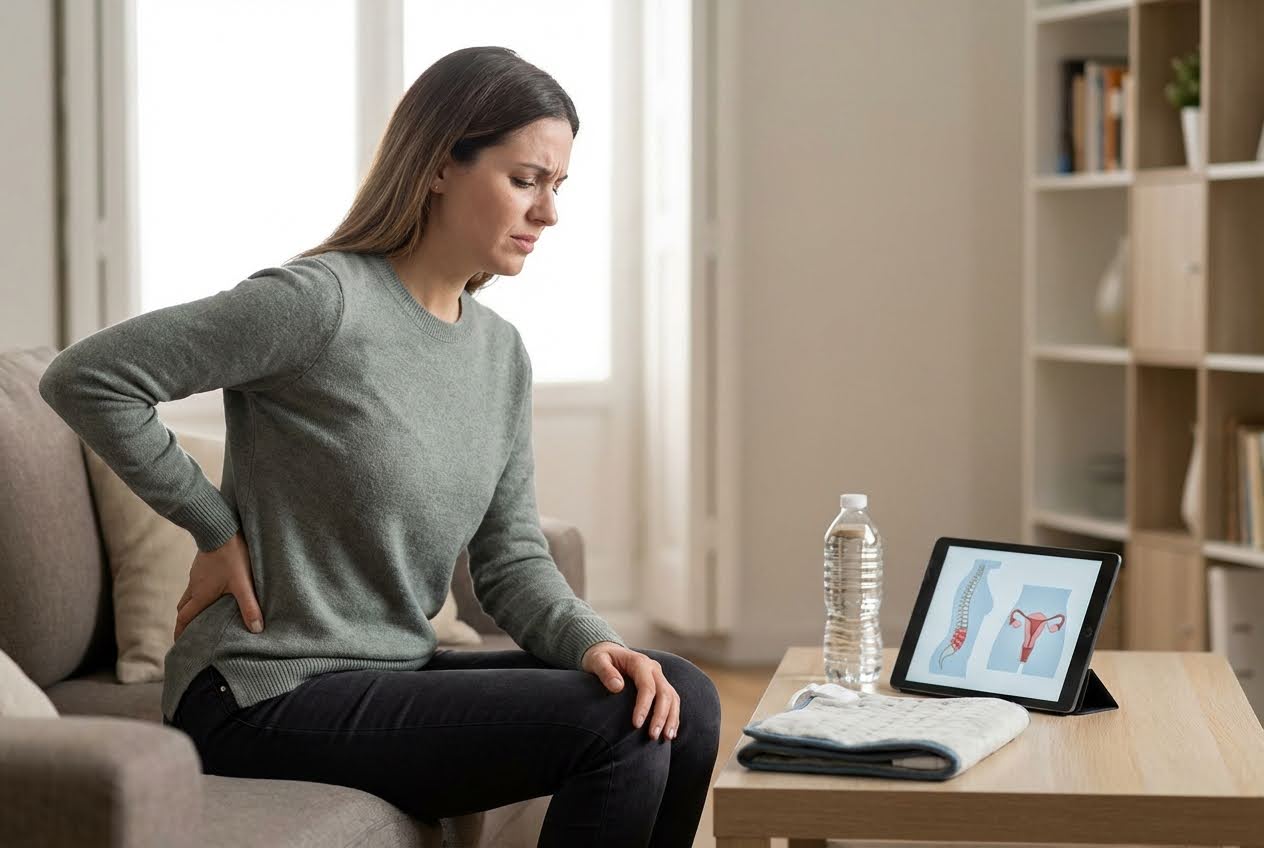
Your pelvis contains a dense network of nerves that connect your uterus, lower spine, and surrounding muscles. When the uterus contracts, these shared nerve pathways carry pain signals to nearby areas. This phenomenon, called referred pain, explains why abdominal cramping can feel like an ache in your back. A drop in progesterone and related hormonal relaxation effects, rather than relaxin, right before your period, might cause muscles to tighten more, especially for the 10% of the population prone to backaches.
Not all menstrual back pain is created equal. Some women experience mild discomfort while others face debilitating pain that disrupts daily life.
Primary dysmenorrhea refers to painful periods without an underlying medical condition. It's caused purely by prostaglandins and typically starts within a year or two of your first period. Secondary dysmenorrhea involves pain caused by a reproductive disorder. Up to 80% of women of reproductive age experience some form of dysmenorrhea, and knowing which type you have determines the best treatment approach.
Endometriosis occurs when tissue similar to the uterine lining grows outside the uterus. This tissue responds to hormonal changes, just like the uterine lining, causing inflammation and pain throughout the pelvic region. Back pain from endometriosis often feels different from regular cramps: deeper, more persistent, and present even between periods.
Fibroids are noncancerous growths in or on the uterus. Depending on their size and location, they can press against the spine or surrounding nerves. This pressure creates back pain that intensifies during menstruation when the uterus becomes more active. Large fibroids may cause constant discomfort rather than pain limited to your period.
Adenomyosis happens when the tissue that normally lines the uterus grows into the muscular wall. This condition causes the uterus to enlarge and produces significant inflammation. The result is heavy, painful periods with back pain that can be severe. Women with adenomyosis often describe the pain as a deep, constant ache.
When back pain strikes during your period, you need solutions that work fast. These methods provide relief without a doctor's visit.
A heating pad on your lower back or abdomen remains one of the most effective remedies. Heat relaxes the muscles, causing pain and increasing blood flow to the area. Clinical reviews up to 2025 show that continuous low-level heat therapy can be as effective as NSAIDs like ibuprofen for mild to moderate dysmenorrhea. Apply heat for 15-20 minutes at a time, and consider a wrap-around heating pad that covers both your abdomen and back simultaneously.
NSAIDs like ibuprofen and naproxen target prostaglandins directly. Taking them at the first sign of your period, or even a day before if your cycle is predictable, prevents prostaglandin buildup before it starts. This proactive approach works better than waiting until pain becomes severe.
Child's pose, cat-cow stretches, and gentle spinal twists release tension in the lower back. Movement might feel like the last thing you want, but light stretching often provides more relief than staying still. Focus on poses that open the hips and lengthen the spine. Even 10 minutes of gentle movement can make a noticeable difference.
 Lifestyle Adjustments to Minimize Monthly Discomfort
Long-term changes reduce the severity of menstrual back pain over time. These adjustments work best when practiced consistently throughout your cycle.
Certain foods increase inflammation while others reduce it. Fatty fish, leafy greens, berries, and nuts contain anti-inflammatory compounds that may ease menstrual symptoms. Processed foods, excessive sugar, and red meat can worsen inflammation. Making these dietary shifts in the week before your period may reduce pain intensity.
Dehydration tightens muscles and worsens cramping. Drinking plenty of water keeps muscles supple and helps your body function optimally. Magnesium plays a crucial role in muscle relaxation, and many women are deficient. Foods like dark chocolate, avocados, and almonds provide magnesium naturally, or consider a supplement after consulting with a healthcare provider through doctronic.tech.
Sleeping on your side with a pillow between your knees keeps your spine aligned and reduces lower back strain. The fetal position, with knees drawn slightly toward your chest, takes pressure off the lumbar region. Avoid sleeping on your stomach, which forces your spine into an unnatural curve.
When home remedies aren't enough, medical interventions offer more substantial relief.
Birth control pills, hormonal IUDs, and other contraceptives reduce prostaglandin production and can lighten periods significantly. For women with severe dysmenorrhea, hormonal options often provide the most dramatic improvement. Some women choose to skip periods entirely using continuous birth control, eliminating menstrual cramps altogether.
Pelvic floor physical therapy addresses muscle imbalances that contribute to menstrual pain. A specialized therapist can identify tight or weak muscles and teach exercises to correct them. This approach works particularly well for women whose back pain persists despite other treatments.
Seek medical attention if your back pain during menstruation prevents you from working or doing normal activities, doesn't respond to over-the-counter medications, gets progressively worse over time, or occurs with heavy bleeding that soaks through a pad or tampon every hour. Pain that starts suddenly after years of manageable periods also warrants investigation. These symptoms may indicate conditions like endometriosis or fibroids that require specific treatment.
The nerve pathways connecting your uterus and lower back mean pain can manifest primarily in your back rather than your abdomen. Some women feel referred pain more intensely in the back due to individual anatomy and nerve sensitivity.
Light exercise typically helps by releasing endorphins and improving blood flow. Intense exercise during heavy flow days might increase discomfort for some women. Listen to your body and adjust intensity accordingly.
Most period-related back pain lasts 1-3 days, typically during the heaviest flow days. Pain lasting longer than your period or occurring throughout your cycle may indicate an underlying condition worth investigating.
Mild to moderate discomfort is common, but severe pain that disrupts daily life isn't something you should accept as normal. Dr. Diane Brown-Young, OB-GYN at the Cleveland Clinic, confirms that low back pain is a recognized symptom of primary dysmenorrhea, but severe cases deserve medical evaluation.
Back pain during your period stems from prostaglandins, nerve pathways, and sometimes underlying conditions that deserve attention. Relief is possible through heat therapy, anti-inflammatory medications, lifestyle changes, and medical treatments when needed. If you're unsure whether your symptoms are normal, doctronic.tech offers AI-assisted symptom assessments that connect you to licensed clinicians for follow-up care.
Meta Description: Learn about the 7 common and serious side effects of Airsupra and how to manage risks like oral thrush or heart issues through proper inhaler [...]
Read MoreMeta Description: Learn about 8 budesonide interactions and what to avoid when you’re taking budesonide, including grapefruit and common drugs, to ensure your treatment is [...]
Read MoreMeta Description: Learn about these 7 Xolair interactions and what to avoid when you’re taking Xolair to safely manage your asthma, chronic hives, or nasal polyp [...]
Read More